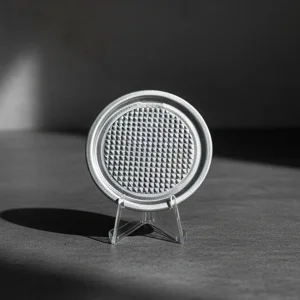
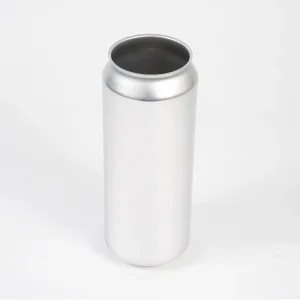
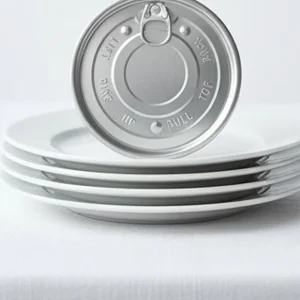
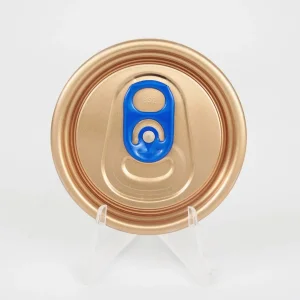
Explore our core portfolio of food-grade aluminium cans, precision easy-open ends, rust-proof caps, and specialized coil stock engineered for seamless line integration.
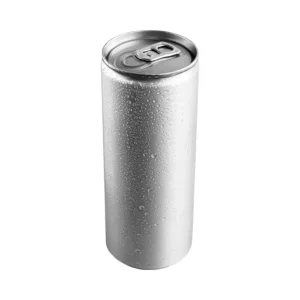
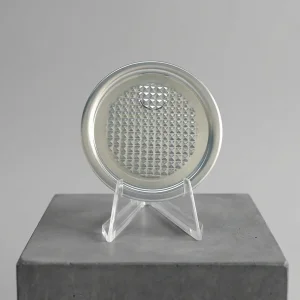
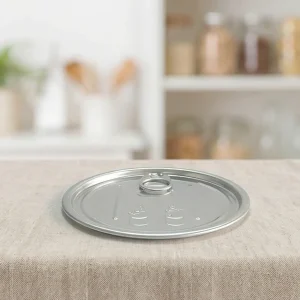
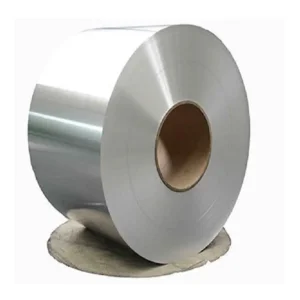
Analyzing macro supply chain shifts, regulatory drivers, and the transition toward infinitely recyclable rigid metal packaging across major global trade corridors.
The global container and closure market is undergoing a structural transition driven by stringent environmental mandates (e.g., EU Single-Use Plastics Directive, extended producer responsibility legislation in North America) and shifting consumer preferences. Global leading aluminium profile caps, closure ends, and drawn beverage bodies are outperforming traditional glass and PET containers due to their superior oxygen barrier, UV light protection, lightweight logistics profile, and circular lifecycle economics.
Whether in carbonated beverage canning, specialized infant formula powder preservation, or marine/coastal chemical storage, precision-engineered aluminium profile caps and easy-open ends provide an airtight, hermetic seal that drastically extends product shelf life while optimizing warehouse stackability.
Modern fast-moving consumer goods (FMCG) brand owners, contract fillers, and pharmaceutical packagers face intense margin pressure and demanding filling speeds (often exceeding 1,200 to 1,500 cans per minute). Enterprise procurement officers no longer buy closures in isolation; they source fully integrated closure systems engineered for specific double-seam profiles, body wall gauges, and internal lining chemistry.
As a result, leading global buyers prioritize suppliers capable of delivering strict dimensional consistency (micro-meter gauge tolerances), verified lacquer integrity (enamel rater testing under 0.5mA), and guaranteed corrosion resistance across high-salinity and high-humidity regional supply chains.
Comprehensive engineering breakdown of alloy selection, temper state, score depth mechanics, and barrier chemistry for global leading aluminium caps and ends.
| Packaging Component | Aluminium Alloy & Temper | Yield Strength (MPa) | Tensile Strength (MPa) | Coating / Lacquer System | Key Functional Application |
|---|---|---|---|---|---|
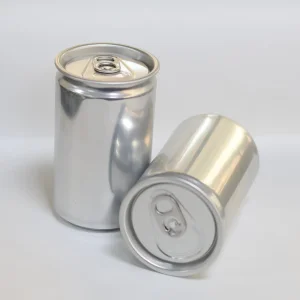
| Can Body Stock | 3104 - H19 | 260 - 290 | 285 - 315 | Water-based Epoxy Acrylic / Organosol (BPA-NI) | Deep drawing & wall ironing (DWI) for 200ml–500ml beverage bodies. |
| Easy-Open End Shell | 5182 - H48 | 310 - 350 | 360 - 395 | Modified Polyester / BPA-NI Retort-Grade Vinyl | 200#, 202#, 206#, 209#, 300#, 401# high-buckle pressure lids. |
| Opening Tab Stock | 5052 - H32 / H34 | 195 - 235 | 240 - 270 | Clear / Colored Anodized Wash-Coat | SOT (Stay-On Tab) and RPT (Ring Pull Tab) pull mechanism. |
| Coastal Powder Caps | 8011 - H14 / O | 130 - 165 | 150 - 185 | Anti-Rust Chromium-Free Polyethylene / Passivated Film | 401#, 502# rust-proof caps for high-salinity and coastal environments. |
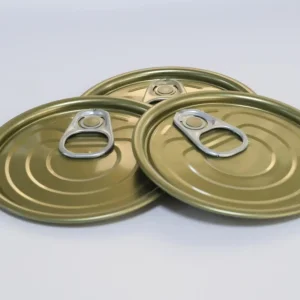
| Tinplate Lids | MR Grade Tinplate (Fe/Sn) | 320 - 380 | 370 - 430 | Gold Organosol / Phenolic Epoxy Resin | 300#, 315#, 603# heavy-duty processed food and airtight dry milk cans. |
The operational integrity of an aluminium easy-open end depends on the score residual thickness—the precise amount of metal remaining at the score groove line. Engineered score depth allows a pop force of 15–28 N and a pull force under 45 N, while preserving an internal buckle resistance up to 6.2 bar (90 psi) for carbonated beverages.
To eliminate Bisphenol A exposure, our next-generation caps and end shells utilize state-of-the-art BPA-NI (Non-Intent) acrylic and polyester internal coatings. Tested according to FDA 21 CFR 175.300 and EU Regulation 1935/2004, these linings prevent acid corrosion in juices, craft beers, and carbonated soft drinks over extended 18-month shelf lives.
Proper seam integrity relies on precise seaming wall angle, curl thickness, countersink depth (commonly 2.03mm–2.30mm), and double seam overlap (>1.1mm). Our ends are stamped on high-speed multi-die conversion systems to maintain dimensional tolerances within ±0.015mm, eliminating seamer jamming on automated filling lines.
How state-of-the-art automation, vertical coil integration, and Shanghai port proximity deliver unmatched lead times, batch consistency, and global cost leadership.
Operating from modern industrial hubs in Shanghai, our production facilities utilize fully automated high-speed conversion presses (including Minster and Stolle systems) capable of producing over 3,000 easy-open ends per minute per line. Integrated high-resolution optical vision systems inspect 100% of finished ends for micro-porosity, score defects, tab alignment, and curling anomalies.
By leveraging advanced automated coil slitting, continuous lacquering, and real-time SPC (Statistical Process Control), Chinese manufacturing achieves unprecedented economies of scale without sacrificing micron-level precision.
Located near Shanghai—the world's busiest container shipping port—we offer streamlined export logistics for international buyers. Finished aluminium profile caps, ends, and drawn cans are packaged under cleanroom conditions, wrapped in moisture-resistant polyethylene sleeves, sealed with desiccant packs, and secured on heavy-duty export-grade pallets with plastic top frames and stretch-hood wrap.
This proximity drastically reduces inland freight transit times, lowers port handling charges, and enables fast FOB, CIF, or DDP shipments to North America, Europe, Southeast Asia, the Middle East, and Latin America.
Tailored closure and container engineering across demanding food, beverage, pharmaceutical, and industrial packaging applications worldwide.
High-speed canning lines filling craft beer, sparkling water, energy drinks, and cold-brew coffee utilize our 202# SOT (Stay-On Tab) and 202# RPT (Ring Pull Tab) ends. Designed to handle up to 6.2 bar internal pressures and withstand pasteurization cycles up to 65°C without dome distortion.
Dry food packers require extreme oxygen and moisture barrier protection. Our 300#, 401#, and 502# easy-open lids and transparent-top powder caps feature smooth-edge safety designs, nitrogen-flush compatibility, and anti-static inner linings to prevent powder adhesion during automated scooping.
Coastal and tropical storage environments expose packaging to severe corrosion risk. Our specialized rust-proof 401# aluminium lids undergo rigorous 5% neutral salt spray testing (>96 hours) to guarantee long-term protection for exported goods stored in humid port warehouses.
Key technological breakthroughs shaping the future of rigid aluminium packaging over the next decade.
By refining the dome profile, chuck wall angle, and countersink radius, metallurgical engineers are successfully reducing end shell thickness from 0.224mm to 0.208mm without compromising buckle strength. This lightweighting trend directly lowers raw material consumption, cuts transport carbon emissions, and maintains seam performance on existing high-speed fillers.
High-resolution direct-to-can digital printing allows brand owners to execute targeted micro-runs, seasonal promotions, and rapid SKU prototyping without minimum plate costs. Simultaneously, laser-engraved QR codes on underside tabs provide consumer engagement while establishing tamper-evident, anti-counterfeiting supply chain traceability.
Detailed technical responses addressing alloy selection, minimum order quantities, regulatory compliance, ocean shipping protection, and seamer setup.
Explore our complete catalog of transparent-top powder ends, high-grade tinplate lids, and diverse beverage can sizes engineered for global buyers.
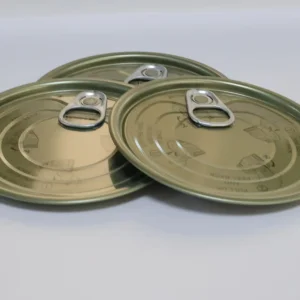
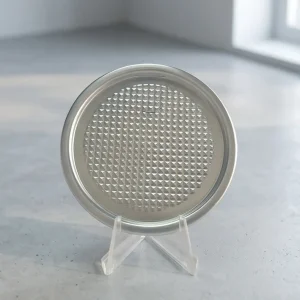
Our senior packaging engineers are ready to evaluate your line speeds, seamer parameters, and internal lacquer requirements. Request technical drawings, test samples, or a direct factory quotation today.