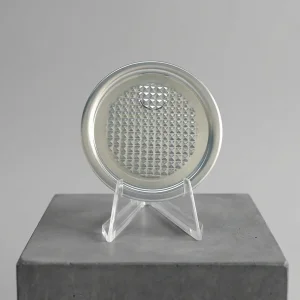
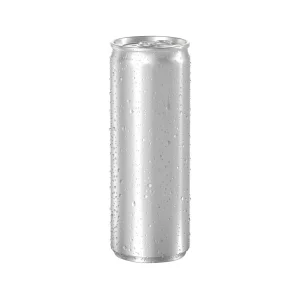
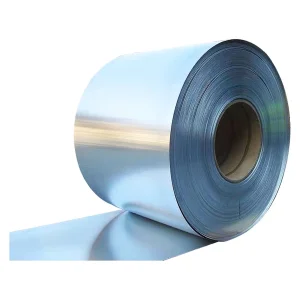
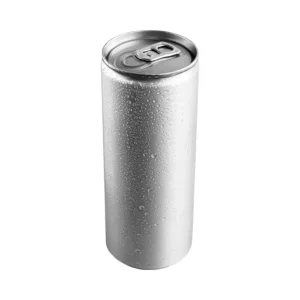
Precision-drawn aluminium cans, easy-open ends, and high-purity coil stock tested against international food-contact standards.
Analyzing the paradigm shift toward infinitely recyclable aluminium containers across beverage, dairy, and technical powder sectors.
Aluminum retains its structural and chemical properties across infinite recycling cycles. Nearly 75% of all aluminum ever produced remains in productive use today, drastically cutting energy consumption by 95% compared to primary smelting.
Global food contact regulations (FDA 21 CFR 175.300, EU Reg 1935/2004, GB 4806.10) mandate non-intent bisphenol-A (BPA-NI) interior coatings. Modern polymer linings ensure zero organoleptic distortion and neutral flavor profiles.
Advanced draw and wall-ironing (DWI) technology permits body sidewalls down to 0.095 mm while maintaining column strength above 900 N, lowering freight logistics costs and carbon footprint per unit.
Understanding the precise alloy selections (3104, 5182, 5052, 8011) that drive mechanical performance across cans, easy-open ends, and industrial coils.
| Packaging Component | Alloy & Temper | Tensile Strength (MPa) | Thickness Range | Primary Internal Coating | Target Application |
|---|---|---|---|---|---|
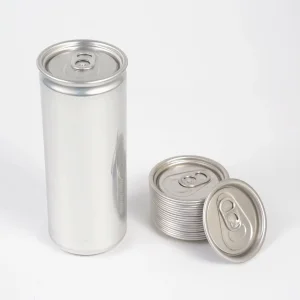
| Can Body Stock | AA 3104-H19 | 275 – 310 | 0.240 – 0.280 mm | BPA-NI Acrylic / Modified Epoxy | DWI Two-Piece Beverage Cans (Standard/Sleek/Slim) |
| End Shell Stock | AA 5182-H48 | 360 – 400 | 0.205 – 0.235 mm | Organosol / Polyurethane Lacquer | Carbonated Drinks & High-Pressure SOT/RPT Lids |
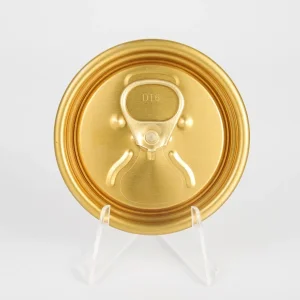
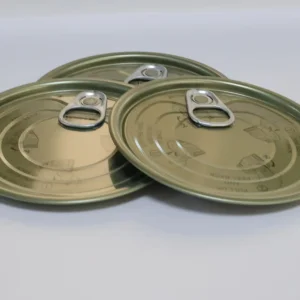
| Tab Stock | AA 5052-H19 | 310 – 350 | 0.350 – 0.400 mm | Clear / Gold Lacquer Varnish | Stay-On Tab (SOT) & Ring-Pull Tab (RPT) Handles |
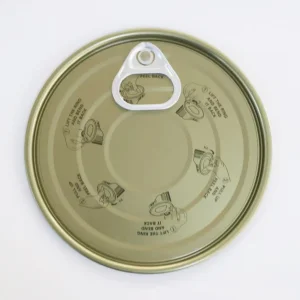
| Lid & Closure Foil | AA 8011-O / H14 | 140 – 180 | 0.180 – 0.300 mm | Food-Grade Heat-Seal Lacquer | Powder Cans, Peel-Off Ends, Pharma & Dairy Seals |
| Rigid Can Ends | Food-Grade Tinplate (ETP) | 350 – 450 | 0.190 – 0.280 mm | Epoxy Phenolic / Aluminized Polymer | Sanitary Processed Food Cans (307#, 401#, 603#) |
Internal lacquer coverage is strictly validated using high-voltage low-amperage Enamel Rater testing. Standard acceptance threshold mandates < 2.0 mA under 6.3V electrolyte immersion, ensuring 0% metal exposure to aggressive beverage formulations like high-acid juices or craft beers.
End-to-can hermetic sealing requires continuous double seam verification: Seam Height, Seam Thickness, Body Hook, End Hook, and Overlap Percentage (> 55% target). All factory shipments include full batch teardown quality records.
Why leading global beverage brands and international importers partner with high-precision Chinese metal packaging hubs.
Factory operations integrate state-of-the-art Stolle, Minster, and Belvac cupping presses and decorators operating at speeds up to 3,400 cans per minute, delivering unparalleled unit-cost efficiency.
Direct supply agreements with primary aluminum hot-rolling mills guarantee immediate access to AA 3104 and AA 5182 master coils, eliminating raw material bottlenecks during global aluminum supply shocks.
Unlike Western suppliers requiring multi-million unit single-SKU commitments, Chinese factories offer flexible minimum order quantities (MOQs) starting at 100,000 printed cans or 200,000 easy-open lids per batch.
Customized lid configurations, pressure resistance parameters, and barrier properties for diverse product verticals.
Requires pasteurization-stable 202 SOT (Stay-On Tab) ends capable of enduring pasteurization cycles (140°F / 60°C) without dome inversion or pressure loss. High inner enamel coating weights protect against alcohol and acid breakdown.
High internal carbonation pressures (up to 4.2 volumes CO₂) demand 6.2 bar minimum buckle strength. Lightweight 200# and 202# shell ends optimize raw material usage without compromising structural rigidity.
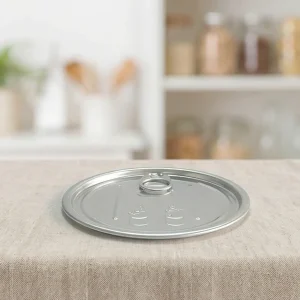
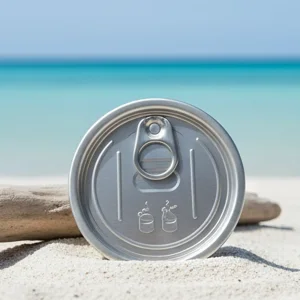
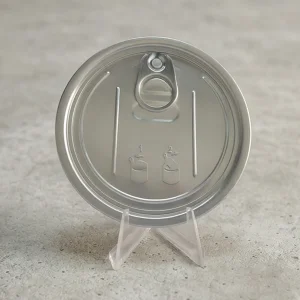
Demands 100% airtight, oxygen-proof barrier protection. Uses 300#, 401#, or 502# aluminium easy-open lids paired with nitrogen flushing processes to maintain residual oxygen levels under 0.5% for extended shelf life.
Specialized anti-static internal coatings prevent particle adhesion in micro-powder packaging. Corrosion-resistant exterior lacquers ensure zero surface oxidation during humid ocean transport and coastal warehousing.
Key technical parameters every international procurement team must specify prior to mass production tooling.
Aluminium cans travel on heavy-duty wooden bulk pallets reinforced with top frames, moisture-barrier kraft slip sheets, and full stretch-hood shrink wrapping. Easy-open lids are packed into polyethylene sleeves inside corrugated cartons with desiccant packs.
Every exported sea container includes: Mill Material Test Reports (MTR), BPA-NI Food Contact Compliance Certificates, Heavy Metal Test Reports (RoHS/REACH), and Enamel Rater/Pop-Pull test certificates matched to container numbers.
Direct technical answers from senior packaging engineers regarding alloy selection, minimum orders, compliance, and filling line seamers.
Explore specialized lid dimensions, coastal rust-proof aluminum covers, and electronic-grade container components.