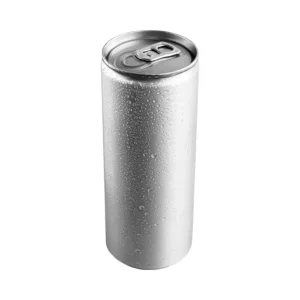
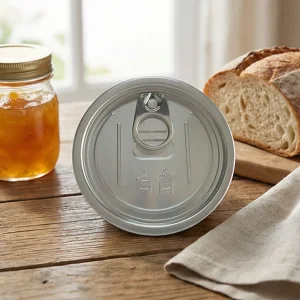
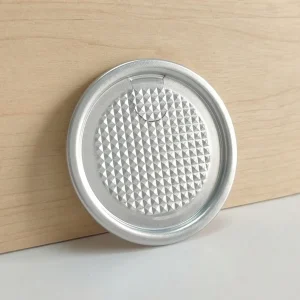
Explore our primary selection of high-grade 330ml/355ml beverage containers and precision-engineered easy open aluminum & tinplate closure systems.
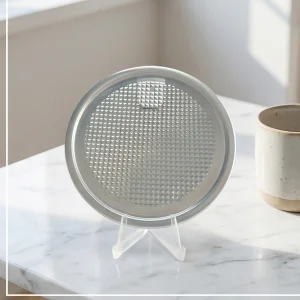
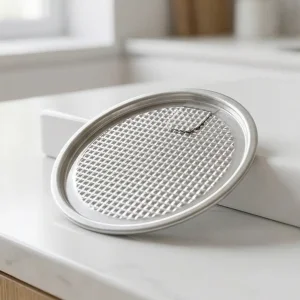
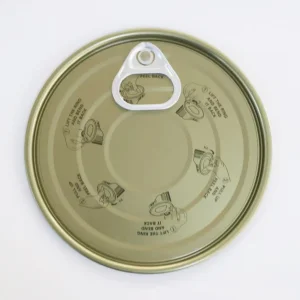
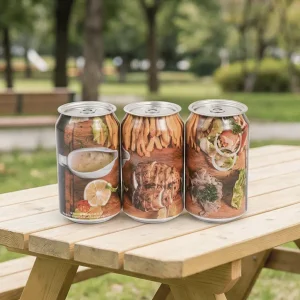
The global metal packaging landscape is undergoing an unprecedented structural transition. Driven by strict worldwide environmental mandates against single-use plastics, corporate decarbonization commitments, and shifting consumer preferences toward shelf-stable, infinitely recyclable formats, the demand for high-performance Easy Open Lids (EOE) has expanded exponentially. No longer viewed as merely a closure mechanism, modern EOE technology represents the critical barrier junction between product integrity, brand safety, opening ergonomics, and high-speed automated canning lines.
Current commercial data indicates that the worldwide market for aluminum and tinplate easy open ends will exceed 450 billion units annually. Growth is heavily anchored in emerging sectors such as Ready-To-Drink (RTD) craft beverages, functional energy elixirs, infant nutritional formulas, specialized pharmaceuticals, and retorted wet pet foods. To meet these rigorous global operational environments, tier-one manufacturers must align material science with precision mechanical engineering.
Global regulatory frameworks (including EU REACH, California Proposition 65, and China GB standards) have accelerated the total phase-out of traditional Bisphenol-A (BPA) internal epoxy coatings. State-of-the-art EOE suppliers now employ advanced BPA-Non-Intent (BPA-NI) acrylic and polyester lining matrixes engineered to prevent organoleptic degradation while providing immune defense against aggressive acidic beverages and saline food media.
Modern canning facilities operate filling lines at astounding speeds reaching up to 1,500 to 2,000 cans per minute (CPM). Modern Easy Open Lids must exhibit flawless dimensional consistency in curl diameter, countersink depth, and flange radius to prevent costly seam jams, micro-leaks, or line downtime. Engineering EOE closures requires micro-inch manufacturing repeatability.
The push for material efficiency has driven alloy gauge reduction from historical 0.25mm standards down to 0.21mm–0.18mm profiles without sacrificing internal pressure resistance. Achieving a buckle strength rating exceeding 6.2 bar (90 psi) on thinner gauge 5182-H48 aluminum alloy represents the pinnacle of modern mechanical engineering and finite element analysis (FEA).
The manufacturing process of an Easy Open Lid demands extreme metallurgical control. The structural shell is predominantly stamped from AA5182-H48 aluminum-magnesium alloy, renowned for its superior tensile strength, strain hardening, and deep-drawing properties. Conversely, the operating tab requires AA5052-H19 alloy to provide high stiffness, preventing tab bending or detachment during actuation.
At the center of EOE functionality lies the micro-scoring process. A high-precision carbide die penetrates the aluminum shell to form a score line residual thickness controlled within ±0.002 mm. If the residual score is too thick, the user experiences excessive opening force ("pop and pull" failure); if the residual score is too thin, premature rupture occurs under thermal expansion or internal pressure spikes during ocean freight shipping.
| EOE Diameter Code | Nominal Shell Alloy | Nominal Thickness | Opening Mechanism | Max Internal Pressure | Primary Application Field |
|---|---|---|---|---|---|
| 200# SOT / RPT | AA 5182-H48 | 0.205 mm - 0.215 mm | Stay-On Tab / Recloseable | ≥ 6.2 Bar (90 psi) | Sleek Cans, Energy Drinks, Craft Soda |
| 202# SOT | AA 5182-H48 | 0.210 mm - 0.225 mm | Stay-On Tab (CDL/ISE) | ≥ 6.5 Bar (94 psi) | Standard Carbonated Soft Drinks, Beer |
| 209# EOE | AA 5052 / 8011 | 0.230 mm - 0.240 mm | Full Aperture Pull Tab | Atmospheric / Vac-Flush | Nuts, Coffee, Dry Confectionery |
| 307# EOE | AA 5182 / TFS / ETB | 0.235 mm - 0.250 mm | Full Aperture Pull Ring | Sterilization Retort (121°C) | Canned Meats, Seafood, Vegetables |
| 401# / 502# EOE | Aluminum / Tinplate | 0.250 mm - 0.280 mm | Full Open / Foil Peelable | Nitrogen Purged / Airtight | Infant Formula, Protein Powders |
Furthermore, internal rim lining requires advanced liquid compound application. Utilizing high-speed centrifugal lining machines, solvent-based or water-based synthetic rubber gaskets are deposited inside the curl radius. This compound acts as a compressible seal against the can body hook during double-seaming, securing an absolute zero Oxygen Transmission Rate (OTR) and Moisture Vapor Transmission Rate (MVTR).
Different industrial application environments demand tailored product configurations. A lid manufactured for carbonated beverages is structurally fundamentally different from a closure designed for high-temperature sterile powder canning.
Requires Stay-On Tab (SOT) geometry engineered to handle high internal CO2 pressures up to 4.5 volumes. The shell incorporates a specialized countersink ridge that prevents dome reversal during pasteurization, alongside organosol internal lacquers that preserve delicate flavor profiles without metal pickup.
Demands full-aperture 401# and 502# Easy Open Lids or aluminum foil peelable ends. These closures must guarantee hermetic seals capable of maintaining internal nitrogen-purged environments (< 0.5% oxygen content) over a 36-month shelf life, safeguarding sensitive lipids against oxidation.
Applies to 307# and 300# tinplate or heavy-duty aluminum lids subjected to 121°C to 131°C steam pressure sterilization cycles. Featuring deep relief expansion rings, these ends absorb extreme pressure differentials during the cooking and rapid cooling phases without seam distortion.
As a senior global supplier of metal packaging solutions, establishing absolute Trustworthiness (T) and Authoritativeness (A) under Google’s Quality Guidelines requires full operational transparency and rigorous quality verification. Every production batch undergoes comprehensive quality control testing supported by fully traceable mill certificates and lab validation reports.
Every lot is subjected to 1% copper sulfate immersion and WACO Enamel Rater electrical conductivity testing (mA). A current reading under 0.5 mA guarantees complete internal coating coverage without micro-cracks or pinholes along the formed score line or tab rivet zone.
Utilizing automated tensile tester equipment, opening mechanics are precisely measured: "Pop" force (initial rivet rupture) is maintained between 15 N to 28 N, while "Pull" force (full score tear-open) is calibrated within 25 N to 42 N, balancing consumer opening ease with transport ruggedness.
All raw materials, conversion oil compounds, and internal lacquers strictly comply with US FDA 21 CFR 175.300, European Regulation EC No. 1935/2004, German LFGB, and Chinese National Food Safety Standard GB 4806.10, ensuring frictionless customs clearance globally.
Looking ahead, the global metal packaging industry is being transformed by three major technological breakthroughs: Post-Consumer Recycled (PCR) metal integration, AI-driven optical surface inspection, and digital laser pre-press customization.
Integration of up to 85% Post-Consumer Recycled aluminum content into 5182 shell stock, reducing Scope 3 embedded carbon emissions by over 60% while maintaining identical tensile strength performance during deep stamping.
Implementation of 100% inline high-speed neural network camera vision systems operating at 3,000 components per minute. These systems instantaneously detect microscopic score anomalies, tab misalignments, or gasket voids.
High-resolution under-tab laser etching and top-shell high-speed inkjet printing enabling anti-counterfeiting tracking, direct consumer engagement campaigns, and digital supply chain provenance tracking.
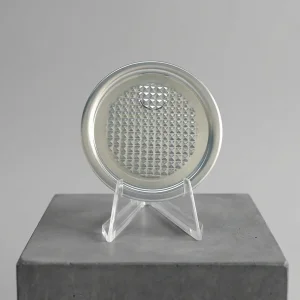
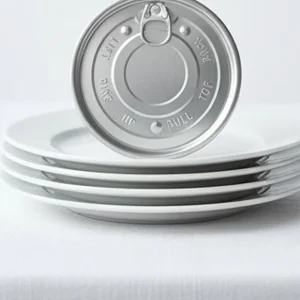
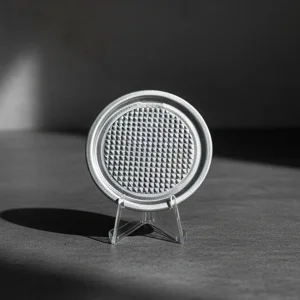
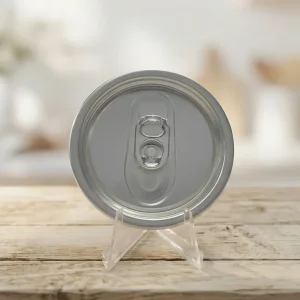
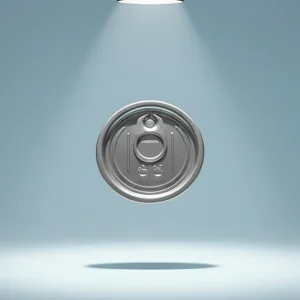
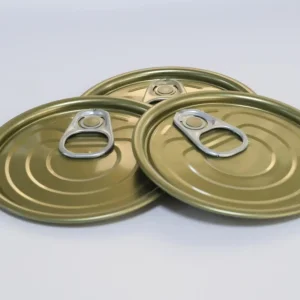
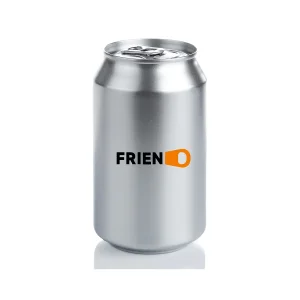
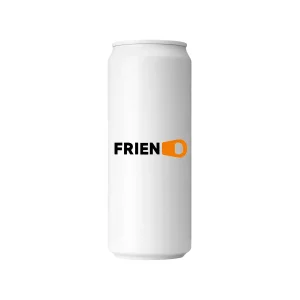
Browse our specialized catalog additions featuring transparent-top covers, high-barrier powder lids, odor-proof ends, and high-volume cans.
Below are authoritative answers compiled by our senior packaging engineers to address core procurement, mechanical tooling, and quality compliance queries.
