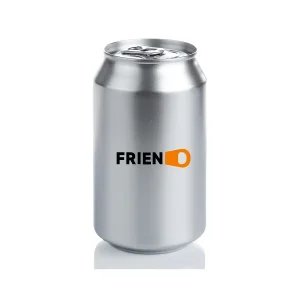
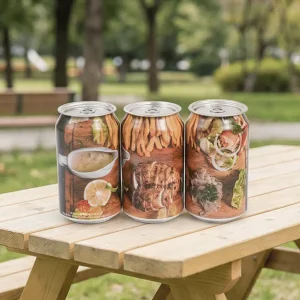
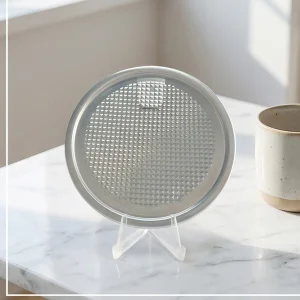
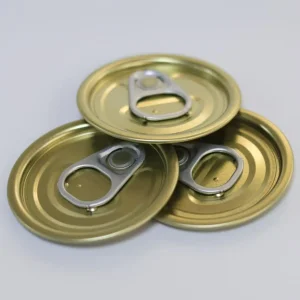
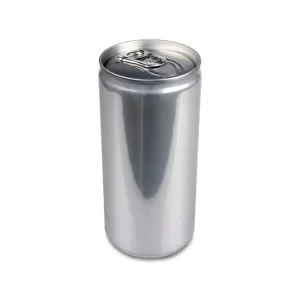
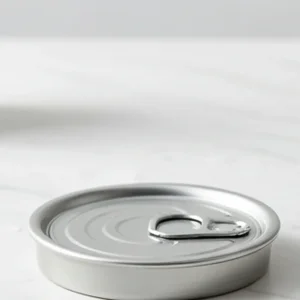
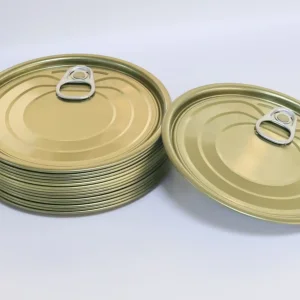
Explore our high-speed seamer-compatible packaging components, featuring premium coil substrates, hermetic odor-proof peel-off membranes, deep-drawn 3104 alloy beverage cans, and retort-stable tinplate closures designed for multi-market distribution.
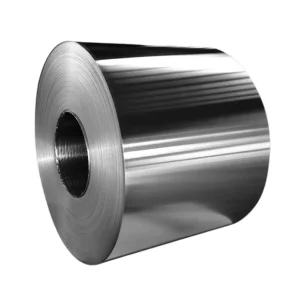
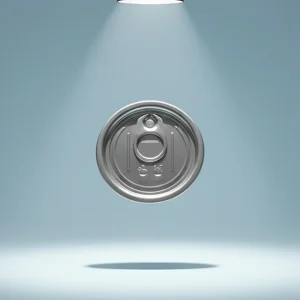
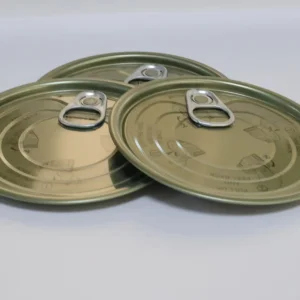
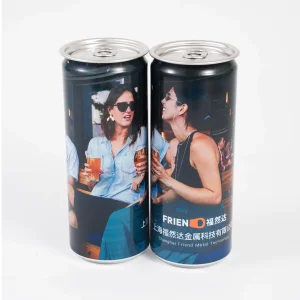
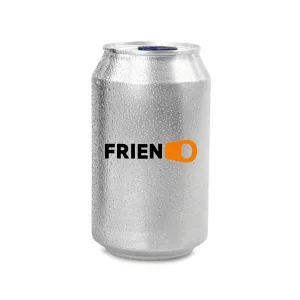
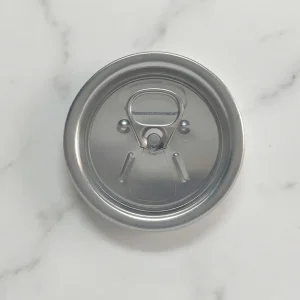
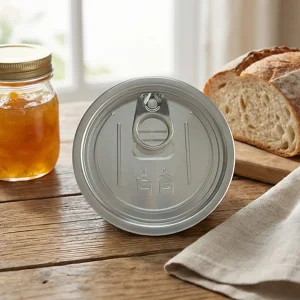
The international rigid packaging landscape is undergoing a systemic structural shift toward infinite recyclability, zero-microplastic leaching, and uncompromising barrier performance. Within nutritional powders, infant formulations, specialty ready-to-drink beverages, and pharmaceutical solids, traditional multilayer laminate pouches and rigid three-piece tin assemblies are being replaced by lightweight aluminum foil ends (AFE / Red membrane closures) combined with deep-drawn 3104/5182 aluminum bodies.
Unlike metallized polymer films that suffer from pinholing under flex-stress, our aluminum foil red membrane lids utilize high-purity 8011 and 5182 alloy foils cold-rolled to tight gauge tolerances (0.05mm - 0.22mm). This provides an absolute barrier to light, atmospheric oxygen, ambient moisture, and microbiological contaminants, ensuring infant powder and roasted coffee freshness for 36+ months.
Conventional full-aperture steel tear-off lids present razor-sharp raw metal margins post-opening. Our patented aluminum foil red peel-off membrane features a thermoset-welded peripheral rim and folded safety perimeter, allowing ultra-smooth, low-peel-force removal without sharp jagged edges, substantially elevating the end-user product experience.
Manufactured in strict adherence to international can making conventions, our 200#, 202#, 300#, 307#, 401#, and 502# diameter profiles integrate smoothly into Ferrum, Angelus, and Somme high-capacity seaming heads. Countersink depth, chuck fit, and curl radius are precision-engineered to prevent wrinkle formation and false seams during seaming operations.
Metal packaging reliability is fundamentally determined by the mechanical properties of the base alloy, rolling reductions, and internal chemical passivation layers. Below is the operational specification framework applied across our global aluminum foil red closures, easy-open ends, and can bodies:
| Component Application | Alloy & Temper | Nominal Thickness | Tensile Strength (MPa) | Internal Passivation Layer | Compliance Credentials |
|---|---|---|---|---|---|
| Red Foil Peel-Off Membrane | 8011-O / 8079-O | 0.060 – 0.090 mm | 90 – 140 | Polypropylene (PP) Heat Seal / Retort Lacquer | FDA 21 CFR 175.300, EU 1935/2004 |
| Membrane Support Ring / Shell | 5182-H48 / 5052-H38 | 0.210 – 0.240 mm | 360 – 410 | Modified Polyester / Epoxy Organosol BPA-NI | LFGB, GB 4806.10-2016 |
| DWI Drawn Can Body | 3104-H19 | 0.240 – 0.280 mm | 275 – 315 | Cross-linked Acrylic / Waterborne Epoxy Phenolic | ASTM B209M, ISO 9001:2015 |
| Easy Open End Tab Stock | 5052-H19 / 5182-H19 | 0.300 – 0.400 mm | 320 – 375 | Clear Lubricated Lacquer / Colored Coating | RoHS 3, REACH SVHC Free |
| Airtight Tinplate Can Lid | MR-T3 / T4 CA Stone | 0.190 – 0.230 mm | 370 – 430 | Organosol / Phenolic Gold Enamel | US CWA, MERCOSUR GMC 39/14 |
The signature red pull-ring tab attached to our aluminum foil membranes is manufactured using ergonomic polypropylene polymers heat-bonded via high-frequency ultrasonic welding. Pull force kinetics are engineered to an initial pop force under 12.5 N and a sustained peel tear force under 18.0 N. This ensures universal accessibility for elderly demographics and young adults alike, while resisting inadvertent puncture under pressure differential during air transport or high-altitude warehousing.
Regulatory scrutiny concerning endocrine disruptors has made Bisphenol A non-intent (BPA-NI) formulations mandatory across EU, North American, and East Asian markets. Shanghai Friend Metals applies third-generation acrylic and high-performance polyacrylate polyester internal lacquers. These systems offer zero chemical migration into acidic carbonated beverages, aggressive essential oils, or lipophilic milk powder matrices, passing 121°C 60-minute retort sterilization challenges without feathering or micro-cracking.
Different product classes exert radically divergent mechanical stresses on container walls and seal perimeters. We engineer customized configurations designed around your specific line parameters:
Equipped with 401# and 502# Red Foil Peel-Off Ends. Supports deep-vacuum nitrogen flushing (residual oxygen < 0.5%) to eliminate lipid oxidation and vitamin breakdown across multi-year global supply chains.
Utilizing 200# and 202# SOT (Stay-On Tab) high-dome shells capable of withstanding pasteurization cycles and internal pressures up to 6.2 bar without buckling, dome inversion, or seam leakage.
Featuring 300# and 305# non-magnetic aluminum ends tested for cleanroom dispensing. Engineered with anti-static barrier coatings to prevent sterile fine particle adhesion around the seamed perimeter.
Deploying heavy-gauge tinplate and composite aluminum closures with elastic PVC-free plastisol sealing compounds, fully rated for steam autoclaves at 121°C – 134°C with dual-direction pressure balancing.
Shipping precision metal packaging across international borders demands comprehensive regulatory documentation, stringent ocean moisture prevention, and on-site technical seamer matching:
Every container leaves our Shanghai facilities with fully traceable documentation dossiers: Mill Test Certificates (MTC) stating trace element analysis (Pb, Cd, Hg, Cr VI < 100ppm), overall migration limit (OML) lab certificates verified under EN 1186, and heavy metal compliance statements meeting FDA, Prop 65, and European Regulation (EC) No 1935/2004.
Cross-equatorial oceanic transport exposes metal coils and empty shells to severe temperature inversions and container sweat. We pack can ends in vacuumed polyethylene sleeves encased in heavy-duty fiber drums or corrugated shipping cartons buffered with multi-stage calcium chloride desiccants. Bulk can pallets incorporate anti-slip treated kraft interlayers, rigid top frames, and heavy-gauge automated stretch hoods.
A high-barrier lid is only as safe as its final double seam. Our packaging engineering field team supports client maintenance divisions with precise seaming roll profile schematics (Operation 1 and Operation 2 roll contours), nominal pin gauge clearance values, optical seam projector calibrations, and seam teardown evaluation criteria (overlap percentage ≥ 70%, tightness ≥ 80%, zero puckering).
As the packaging sector accelerates towards carbon neutrality, Shanghai Friend Metals is pioneering multiple advanced R&D vectors to reduce Scope 3 emissions without sacrificing seal integrity:
Leveraging computer-modeled finite element analysis (FEA), we are advancing next-stage shell down-gauging from standard 0.220mm down to 0.190mm in 202# closures. By optimizing buckle dome countersink geometries, tensile rigidity is preserved while reducing metal consumption by 8.4% per million ends produced.
Collaborating with leading domestic re-melting facilities, our raw coil supply incorporates high-ratio Post-Consumer Recycled (PCR) aluminum scrap processed through electromagnetic de-coating and inert gas degassing. This lowers carbon intensity per metric ton of coil from 11.2 kg CO₂e down to < 2.8 kg CO₂e.
All conversion presses operate with multi-camera high-definition AI vision stations processing 3,000 frames per second. The system executes real-time 100% surface inspection for pinholes, tab misalignments, lacquer skips, and compound distribution flaws, automatically rejecting sub-standard units at line speeds.
Direct answers compiled by our packaging application engineers to support quality managers, procurement specialists, and line engineers:
Aluminum Foil Red Ends utilize a peelable multi-layer composite foil membrane heat-sealed onto a protective curled aluminum or tinplate rim, operated with a prominent red ergonomic pull ring. Unlike conventional stamped score-line steel ends, our foil solution eliminates sharp, dangerous metal cutting edges post-opening, reduces opening effort by over 60%, provides an absolute airtight hermetic barrier, and prevents metal shaving contamination upon initial breach.
Yes. We offer specialized retort-tolerant configurations (e.g., our 305# and 307# series) that utilize high-temperature modified organosol and polypropylene heat-seal layers capable of enduring pressurized steam autoclave sterilization cycles up to 121°C (250°F) for up to 60 minutes. Proper dual-pressure retort overpressure control (counter-pressure balance) is required to prevent compound extrusion or panel distortion during thermal transitions.
For standard stocked shell tooling diameters (200#, 202#, 300#, 401#, and 502#) in plain or clear lacquer finishes, our minimum order quantity starts at 100,000 to 200,000 units, which can ship within 10 to 15 working days. Custom printed cans and specialty multi-color lithographed foil lids start at 100,000 to 300,000 units per graphic SKU to amortize photopolymer printing plate and oven setup times. Pre-production sample sleeves for seamer trial fitment are provided promptly upon engineering specification signoff.
Every lot manufactured undergoes automated computerized dimensional verification: curl diameter, curl height, countersink depth, and compound distribution weight. In addition, our physical testing lab performs destructive double seam teardowns examining cover hook length, body hook length, actual overlap, and optical wrinkle ratings. Each shipment is accompanied by a certificate of analysis (COA) guaranteeing enamel rater pinhole scores < 5mA at 6.3V.
Yes. All lacquers applied to our aluminum cans, foil red membranes, and lid shells are sourced from Tier-1 global coating formulators and comply with BPA-NI mandates. Testing conducted via GC-MS confirms no detectable bisphenol compounds, meeting the stringent requirements of California Proposition 65, European Union Regulation (EU) 2018/213, and French Law No. 2012-1442.
Browse our comprehensive portfolio of volume-produced aluminum beverage cans, specialty medical lids, aroma-preserving closures, and food-grade tinplate ends ready for rapid international container dispatch: