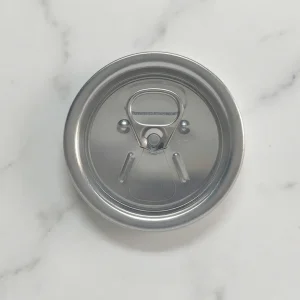
High-integrity easy-open ends, hermetic powder lids, and specialized aluminum coil stocks compliant with global food-contact safety standards.
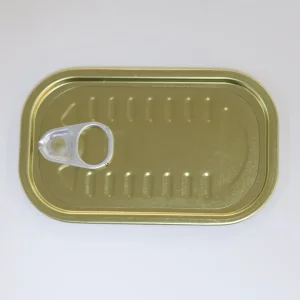
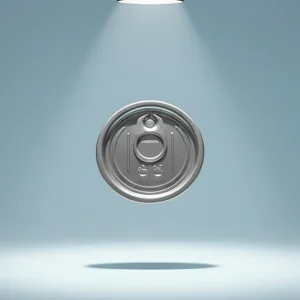
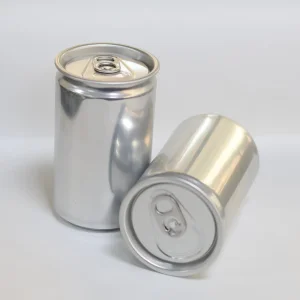
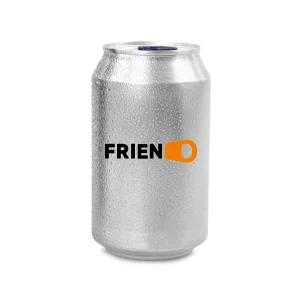
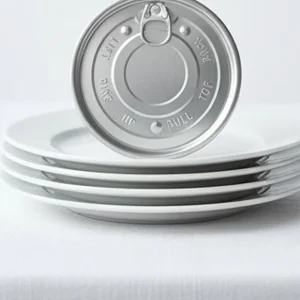
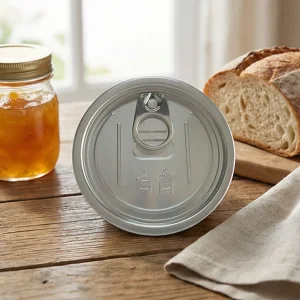
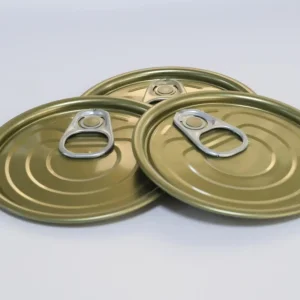
An authoritative engineering breakdown of modern aluminum can lids, metallurgy, and sealing mechanics for procurement executives and packaging engineers.
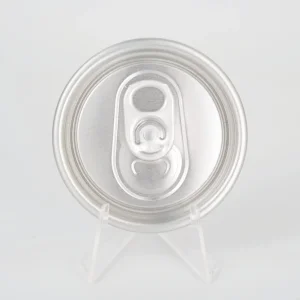
In the global fast-moving consumer goods (FMCG) and industrial packaging sectors, the transition toward 100% infinitely recyclable packaging solutions has elevated the technical role of Aluminium Can Lids (Easy-Open Ends - EOE). Beyond serving as a simple physical seal, modern aluminum lids represent complex metallurgical engineering designed to withstand internal pressure variations up to 6.2 bar, prevent micro-channel oxygen ingress, ensure tamper-evidence, and provide effortless opening mechanics for consumers through precise score-line calibration.
The modern high-speed canning line operates at speeds ranging from 1,200 to 3,400 cans per minute. At these operational velocities, dimensional tolerances for end curling, countersink depth, tab riveting, and compound lining application must be maintained within micron-level precision (±0.002 mm). A minor failure in lacquer elasticity or score residual depth can trigger catastrophic line stops, product contamination, or micro-leakage during transoceanic shipping.
| Closure Dimension Code | Nominal Diameter (mm) | Substrate Alloy & Temper | Tab Type & Mechanism | Primary Industrial Application |
|---|---|---|---|---|
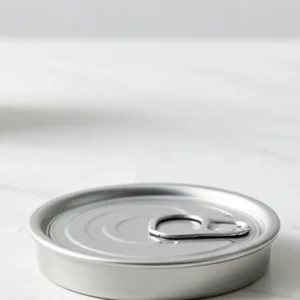
| 200# (SOT / RPT) | 50.0 mm | AA 5182-H48 / AA 5052-H19 | Stay-On Tab / Ring Pull Tab | Sleek & Slim Beverage Cans (Energy Drinks, Mixers) |
| 202# (SOT / CDL) | 52.5 mm | AA 5182-H48 High Tensile | Stay-On Tab (Ecological Lightweight) | Standard Carbonated Soft Drinks, Beer, Hard Seltzers |
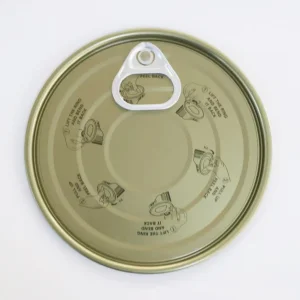
| 209# FA / 209# | 63.0 mm | AA 5052-H38 Non-Magnetic | Full Aperture Easy-Open | Aromatic Powders, Pharmaceuticals, Nuts & Dried Fruit |
| 300# / 307# | 73.0 mm / 83.3 mm | AA 5182 / Food-Grade Tinplate (ETP) | Full Aperture / Peel-Off Foil | Processed Foods, Retort Soups, Dairy, Wet Pet Food |
| 401# / 502# | 99.0 mm / 127.0 mm | AA 8011-O / Lacquered ETP | Peel-Off Membrane / Heavy Tab | Infant Formula, Protein Powders, Bulk Coffee Cans |
Shifting consumption patterns, regulatory mandates against single-use plastics, and supply chain re-engineering across key geographic markets.
Strict European Union circular packaging directives (PPWR) and US state-level Extended Producer Responsibility (EPR) regulations are accelerating the migration from glass and plastic containers toward lightweighted aluminum systems. Demand for 202# CDL and SuperEnd designs with ultra-low gauge metal thickness (0.208 mm to 0.216 mm) is surging, requiring suppliers to possess advanced stamping technology capable of maintaining structural integrity under high internal pressures.
The global proliferation of Ready-To-Drink (RTD) cocktails, hard seltzers, cold-brew coffee, and functional wellness beverages has created a need for highly specialized internal lacquer formulations. Acidic formulations, alcohol content above 10% ABV, and sulfur-containing ingredients require custom cross-linked polyorganosol or acrylic linings to eliminate metal flavor leeching and guarantee a minimum 24-month shelf life.
In the global nutritional powder market—spanning infant formula, clinical nutrition, and premium dairy powders—hermetic sealing and moisture barrier performance are paramount. Aluminum easy-open ends featuring foil peel-off membranes (POEs) are replacing traditional rigid lids, providing zero-oxygen permeability, smooth safety rims, and anti-counterfeiting verification options for international export.
How environmental factors, regional logistics, and product chemistry dictate the ideal closure specifications.
Products shipped across tropical climate zones (e.g., Southeast Asia, Latin America, Coastal Africa) face extreme humidity and dew point shifts inside ocean freight containers. Standard exterior tinplate or untreated aluminum cut edges are susceptible to edge rust and filiform corrosion. We deploy specialized anti-corrosive wax emulsions and outer rim varnish coatings on Odor-Proof and Airtight Lids, guaranteeing salt-spray corrosion resistance exceeding 96 hours according to ASTM B117 testing standards.
Canned food products such as pet food, ready meals, soups, and milk tea undergo autoclave retort processing at temperatures between 121°C and 130°C under 1.5 to 2.2 bar overpressure. High-Temperature Sterilizable Aluminum Lids utilize modified high-heat-resistant polypropylene (PP) or organosol internal coatings that maintain flexible adhesion to the aluminum substrate, preventing blister formation, coating delamination, and seam leakage during rapid thermal cooling cycles.
High-value aromatic spices, specialized coffee grounds, and pharmaceutical grade active powders contain volatile essential oils that can degrade synthetic gaskets or leach organic odors into the container. Our non-magnetic 209FA# Aluminum Lids incorporate gas-barrier lining compounds and inert internal surface passivations, preventing volatile terpene absorption while completely isolating the internal atmosphere under nitrogen flush conditions (<0.5% residual oxygen).
The balance between easy opening and burst resistance is governed by the score residual depth—the thickness of the metal remaining at the laser-etched opening line. For standard carbonated beverages, score residual is calibrated between 0.055 mm and 0.065 mm. This yields a primary opening force (Pop Force) between 15 N and 22 N, and a full tear-back force (Pull Force) between 25 N and 35 N, while preserving an internal burst pressure rating exceeding 6.2 bar.
Next-generation material science, lightweighting milestones, and smart packaging integration driving the industry toward 2030.
The industry is transitioning from standard 0.224 mm coil stock down to 0.208 mm and experimental 0.198 mm high-tensile AA 5182-H48 aluminum-magnesium alloys. By optimizing the crystal grain orientation during cold rolling and implementing modified countersink wall profiles, lightweight ends achieve equivalent buckle resistance with up to 7% reduced metal weight per unit, significantly lowering scope 3 carbon emissions.
Global regulatory pressure from the European Food Safety Authority (EFSA) and US FDA has accelerated the complete phase-out of traditional epoxy-phenolic coatings containing trace BPA. Third-generation BPA-NI coatings—utilizing cross-linked acrylics, polyester resins, and polyorganosols—offer superior ductility during high-speed stamping while maintaining zero chemical migration and inert taste profiles across aggressive beverage formulas.
High-resolution laser etching and digital inkjet printing applied directly to the underside or topside of aluminum tabs and lid shells enable unique QR code serialization. This technology powers consumer engagement campaigns, supply chain traceability, and automated deposit-return system (DRS) sorting across modern recycling facilities in Europe and North America.
How end-to-end industrial cluster integration delivers unparalleled scalability, speed, and cost efficiency to global packaging buyers.
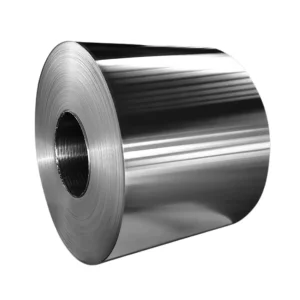
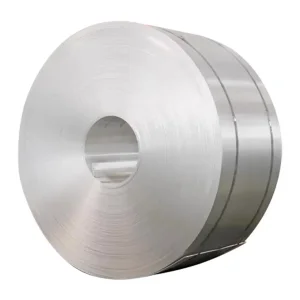
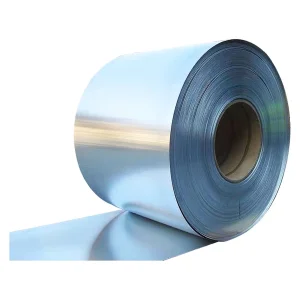
China's aluminum processing ecosystem consolidates bauxite refining, primary smelting, precision cold-rolling, and chemical coating application within tightly linked industrial parks. This vertical proximity eliminates long transport lead-times for raw AA 5182, AA 5052, AA 3104, and AA 8011 Aluminum Coils, ensuring continuous coil availability and price stability even during global commodity fluctuations.
Our production centers house state-of-the-art multi-die high-speed stamping presses (e.g., Stolle, Minster) operating at speeds up to 3,000 ends per minute per line. Integrated with high-resolution 100% automated optical vision inspection systems (AOI), every single lid is verified in real-time for score alignment, curl radius, rivet symmetry, and compound lining continuity, keeping defect rates well below 5 PPM (Parts Per Million).
Unlike traditional suppliers requiring 16 to 24 weeks for custom closure development, Chinese manufacturing hubs utilize advanced CNC wire-EDM, precision die-grinding, and digital simulation software. Custom shell profiles, unique tab shapes, embossed logos, or specialized powder lid dimensions can progress from CAD drawing to physical trial lot production in as few as 21 business days.
Seamless international integration backed by rigorous testing certifications and double-seamer engineering expertise.
All aluminum and tinplate closures are produced in ISO 22000 and FSSC 22000 certified cleanroom facilities. Materials strictly comply with US FDA 21 CFR 175.300, EU Regulation (EC) No 1935/2004, EU 10/2011, Mercosur GMC Resolution 39/19, and China National Food Safety Standard GB 4806.10-2016. Heavy metal contamination, phthalates, and fluorinated compounds (PFAS/PFOS) are rigorously excluded.
Matching a new lid configuration to existing high-speed seaming equipment (e.g., Ferrum, Angelus, CFT) requires precise adjustment of seaming rolls, chuck profiles, lifter pressure, and seam tightness parameters. Our field technical service team provides detailed seam specification manuals, recommended double-seam teardown parameters (Countersink, Seam Length, Thickness, Overlap %, Body Hook, Cover Hook), and on-site or remote engineering support.
To prevent mechanical damage and fretting corrosion during ocean transport, lids are stacked into heavy-duty protective kraft paper/polyethylene sleeves, packed into reinforced corrugated cartons or fiber drums, and loaded onto fumigated heat-treated ISPM-15 wooden or plastic pallets. VCI (Vapor Corrosion Inhibitor) bags and industrial-grade desiccant packs are inserted to guarantee pristine arrival condition.
Complete your supply chain requirement with high-grade aluminum coils, large format tinplate ends, and custom beverage packaging.
Detailed answers addressing engineering parameters, minimum order quantities, compliance, and custom manufacturing inquiries.