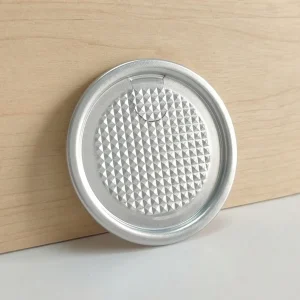
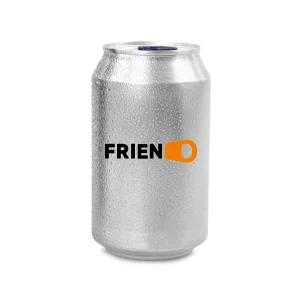
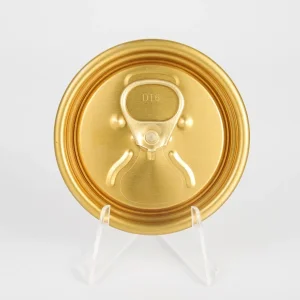
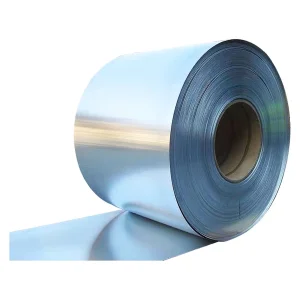
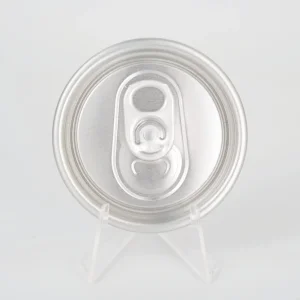
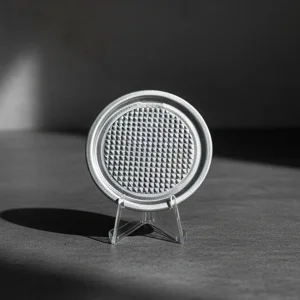
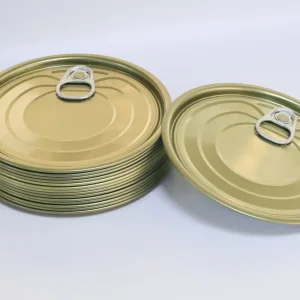
Explore initial top-tier catalog selections engineered for powder barrier, carbonated pressure resistance, and high-speed filling line compatibility.
The global metal packaging market is undergoing an unprecedented structural transition driven by circular economy mandates, carbon neutrality initiatives, and rapid changes in consumer beverage and food distribution channels.
Modern global aluminum can lid factories operate multi-die conversion presses running at speeds reaching up to 3,000 ends per minute. Achieving high output while maintaining defect tolerances under 1 PPM requires extreme metallurgical stability and real-time vision sensor telemetry.
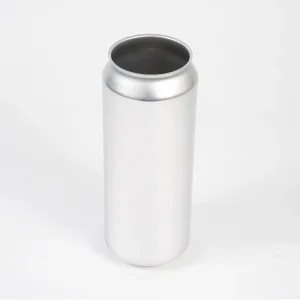
Aluminum ends and can bodies represent the gold standard of circular packaging. Unlike plastics that degrade during thermal recycling, aluminum retains 100% of its structural integrity. Recycling aluminum saves up to 95% of energy compared to primary smelting.
Global suppliers face strict regulatory frameworks governing food-contact surfaces. The transition from bisphenol A (BPA)-based epoxy internal lacquers to next-generation BPA-NI (Non-Intent) resin formulations is mandatory across major international markets.
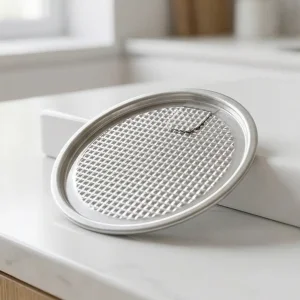
From extreme down-gauging to smart digital embossing, technological evolution in lid design directly impacts seamer operational efficiencies and total delivered costs for B2B fillers worldwide.
The history of aluminum beverage ends is defined by continuous down-gauging. Transitioning from traditional 206 diameter ends to 202 and 200 standards reduced metal mass per unit by over 30%. Today, shell geometry modifications such as CDL (Contour Diameter Light) and SuperEnd designs optimize countersink depth and chuck wall angles to maintain buckle resistance while utilizing thinner gauge coil.
Reducing coil stock thickness from 0.22mm down to 0.20mm or 0.18mm requires increasing the yield strength of the alloy (5182-H48/H19). Advanced countersink geometry offsets loss of structural rigidity, ensuring ends withstand up to 6.2 bar (90+ PSI) internal pressure during pasteurization.
Brand owners require internal coatings that eliminate active bisphenol compounds without compromising shelf-life stability across aggressively acidic beverages, high-sulfur pet foods, or fat-rich nutritional powders. Modern coating lines utilize multi-stage reverse roll coaters with precise web-tension control to apply ultra-thin, pinhole-free organic films.
Carbonated soft drinks (CSD) require flexible acrylic or polyester coatings that resist stress cracking along the score line. Conversely, processed meats and wet pet foods require organosol coatings capable of surviving 121°C heat sterilization without blistering or delaminating.
A successful metal container requires precise mechanical harmony between the factory-manufactured end and the filling line's double-seaming machinery.
The choice of aluminum alloy governs the formability and burst pressure of the lid. 5182-H48 aluminum-magnesium alloy provides superior strain-hardening properties essential for deep-drawn shell geometry, while 5052-H19 offers the stiffness required for tab manufacture, preventing tab bending during opening.
The score line represents a controlled structural fault. The score residual—the thickness of remaining metal beneath the score groove—must be held within ±2 microns (typically 55 to 65 microns). Too thick, and pop force exceeds consumer comfort thresholds (>35 N); too thin, and premature score fracture occurs under thermal expansion.
Hermetic seals rely on a five-layer mechanical fold combining the can body hook, end cover hook, and sealing compound. Key dimensional targets include overlap length, seam tightness percentage (minimum 75%), countersink depth consistency, and zero optical compound squeeze-out.
Different product matrices impose distinct physical, thermal, and chemical demands on lid structures. Our factory ecosystem customizes specifications across key industry verticals.
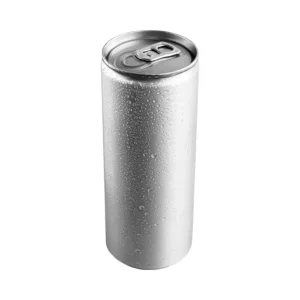
High CO2 volumes (up to 4.2 volumes) require 202 SOT (Stay-On Tab) or RPT (Ring Pull Tab) ends capable of enduring pasteurization tunneling up to 65°C. High internal pressures act outwards, requiring maximum buckle strength.
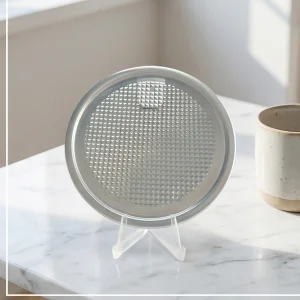
Powder packaging demands zero moisture vapor transmission and complete oxygen insulation. Easy-open foil membrane ends (Peel-Off Ends / POE) combined with outer plastic overcaps provide a tamper-evident, safe barrier without sharp edge hazards.
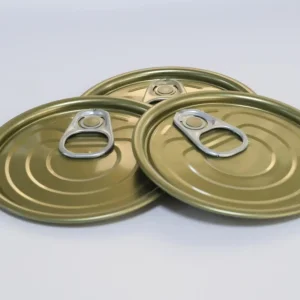
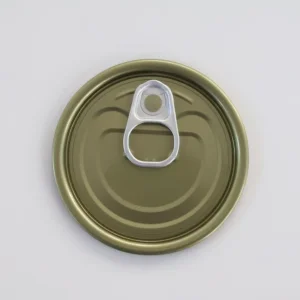
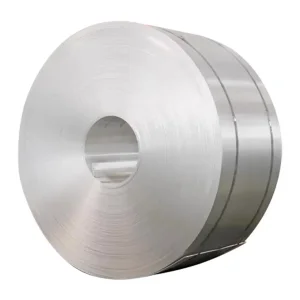
Explore the complete range of precision-manufactured aluminum easy-open ends, specialty tinplate closures, and premium coil stock tailored for global export.
B2B packaging procurement requires rigid supply chain continuity, zero-line-stoppage guarantees, and comprehensive quality assurance protocols verified across international transport corridors.
We provide full technical support for field seamer integration. Our packaging engineers assist fillers in optimizing seaming chuck and roll profiles (titanium nitride coated) to eliminate micro-fracturing during the first and second operation seam steps.
Ocean transit introduces severe temperature fluctuations and humidity risks. Ends are vacuum-packed in anti-static polyethylene sleeves, packed into moisture-resistant corrugated drums or wooden crates, and protected with industrial desiccant bags.
Every palleted lot features direct barcode traceability back to the specific parent coil heat number, coating line run date, press operator, and real-time enamel rater test log. Certificates of Analysis (COA) accompany every container.
In-depth responses curated by our chief packaging engineers addressing technical specifications, MOQ benchmarks, regulatory compliance, and line integration.