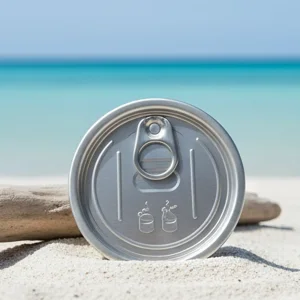
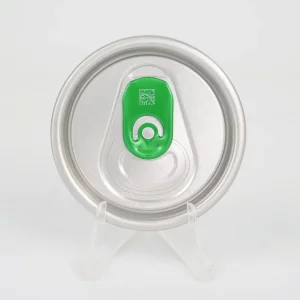
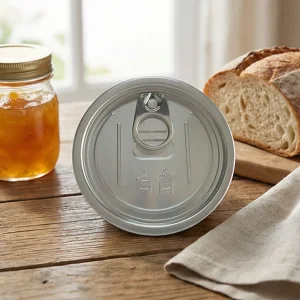
Engineered to satisfy stringent global barrier compliance, tensile resistance, and precise thermal processing specifications.
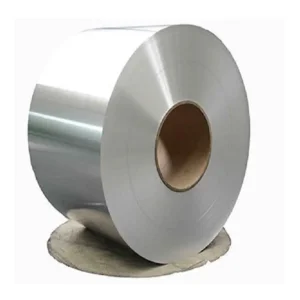
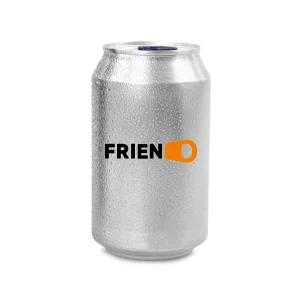
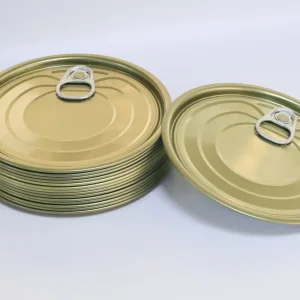
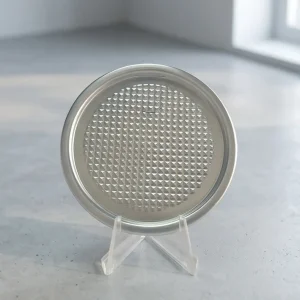
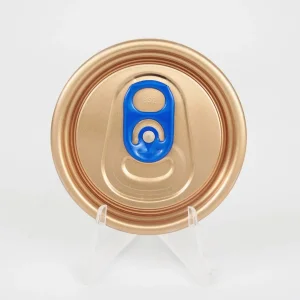

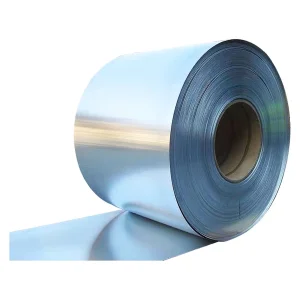

In modern industrial packaging economics, selecting a reliable high-quality global aluminium foil roll factory service & product manufacturer is no longer merely a procurement operational task—it is a core strategic lever. Lightweighting requirements, high-speed automated canning lines operating at over 1,500 cans per minute (CPM), stringent international non-BPA internal coating directives, and complex global supply chain disruptions necessitate partner transparency, robust metallurgical engineering expertise, and verifiable compliance records.
This industry technical report establishes the manufacturing standards, metallurgical specifications, and quality control protocols executed across advanced Chinese manufacturing hubs. By optimizing the integration of alloy tempers—specifically 3104-H19 for deep-drawn can bodies, 5182-H48 for easy-open end shell stock, and 8011-O/H18 for lacquered foil rolls and pharmaceutical closure seals—enterprises ensure total shelf life preservation, eliminate micro-pinholes, and maintain structural integrity under hydrostatic burst pressures exceeding 6.2 bar.
Core Technical E-E-A-T Guarantee: Every batch of aluminium coils, easy-open ends (SOT/RPT), and food-grade foil roll stock leaves the mill accompanied by full Material Test Reports (MTR), detailing chemical composition analysis via optical emission spectrometry, tensile strength (MPa), yield strength, elongation percentage, and coating weight verification per ASTM B209 / EN 485 standards.
| Alloy Code | Standard Temper | Tensile Strength (MPa) | Elongation (%) | Typical Packaging Application | Key Chemical Property |
|---|---|---|---|---|---|
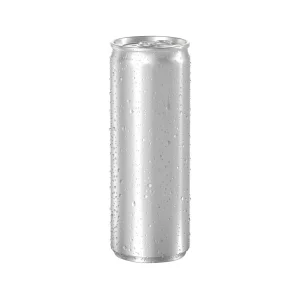
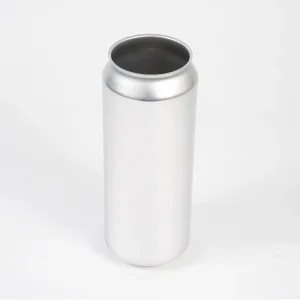
| 3104 | H19 / H39 | 275 – 310 | ≥ 3.5% | DWI Beverage Can Bodies (330ml, 250ml, 500ml) | High Mn/Mg balance for extreme wall thinning |
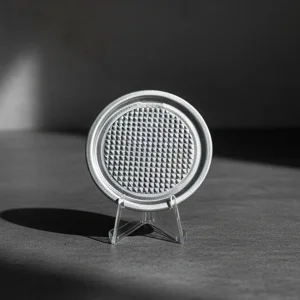
| 5182 | H48 / H19 | 360 – 410 | ≥ 6.0% | Easy-Open Shell Ends (200#, 202#, 206# SOT/RPT) | Elevated Mg content for high pop & pull resistance |
| 8011 | O / H14 / H18 | 95 – 165 | ≥ 15.0% (O temper) | Lacquered Foil Lids, Powder Seals, Pharmaceutical Caps | Added Fe/Si for pinhole-free ultra-thin foil rolling |
| 5052 | H32 / H34 | 210 – 260 | ≥ 8.0% | Pull Tabs, Industrial Containers, Anti-Static Covers | Superior corrosion resistance in saline/acidic media |
Global brand owners, beverage contract packers (co-packers), and pharmaceutical conglomerates operate under strict Total Cost of Ownership (TCO) models. Purchasing decisions for aluminium packaging items extend far beyond initial FOB price points. Key enterprise procurement evaluation dimensions include:
Dimensions such as end curl diameter, countersink depth, and flange radius must adhere to precise tolerances (±0.05mm). Incompatibilities lead to costly high-speed seamer jams, micro-leaks, or premature seam teardown failures.
For aggressive filling mediums—such as energy drinks containing high organic acids, craft beer requiring pasteurization, or infant milk powders requiring nitrogen flushing—internal lacquer coatings (BPA-NI, Epoxy, or Acrylic Organosol) must maintain flawless enamel rater values (< 2 mA current pass under electrical porosity tests).
Multinational operations cannot tolerate line shutdowns due to raw material stockouts. Tier-1 buyers demand direct-factory mill access, guaranteed monthly coil allocation quotas, and multi-vessel ocean freight staging from major deep-water ports like Shanghai.
China's industrial ecosystem for metal packaging stands as an unprecedented model of vertical integration. From primary bauxite refining and continuous casting/hot-rolling complexes to high-speed multi-station stamping presses (Minster, Stolle, and Schuler lines), Chinese factories provide a unmatched competitive edge in quality consistency and operational scalability.
Navigating global regulatory frameworks requires strict compliance documentation. Export-grade packaging items are manufactured under cleanroom environments matching ISO Class 8 conditions, fulfilling international health and consumer safety directives:
U.S. Food & Drug Administration indirect food additives resin and polymeric coatings compliance verified.
European Union framework regulation on materials intended to come into contact with food product lines.
Strict Non-Intent Bisphenol-A formulations guaranteeing non-detectable extraction limits for infant formulas.
Fully certified Quality Management and Food Safety System Management audit compliance.
Localized technical support teams assist global procurement managers by conducting line audits, performing double-seam teardown evaluation, and dispatching engineers on-site for trial seamer setup and tooling calibration prior to volume contract execution.
The global metal packaging market is undergoing a major shift driven by decarbonization targets, extended producer responsibility (EPR) regulations, and consumer preference for infinite recyclability over single-use plastics.
Different product categories demand tailored metallurgical parameters and customized coating chemistries. Below are primary field execution scenarios:
High internal carbonation pressure (up to 4.2 bar) requires 5182-H48 shell stock with optimized score depth on 202# SOT lids to prevent premature burst while maintaining low pop-and-pull opening force (< 30 N).
Utilizing 502# and 401# easy-open aluminum lids with food-contact safe peelable foil membranes or anti-static coated ring surfaces, preventing powder adherence during automated high-vacuum filling.
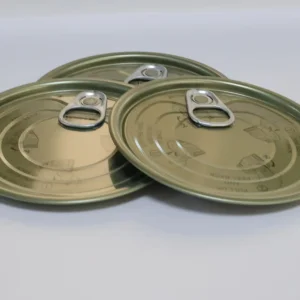
Vegetable, seafood, and pet food canning demands 307# and 401# tinplate and aluminum lids capable of withstanding thermal retort processing cycles reaching 121°C (250°F) for 60 minutes without compound sealant breakdown.
Explore our complete product array tailored for beverage, pharmaceutical powder, and food preservation applications.