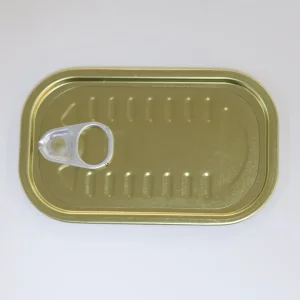
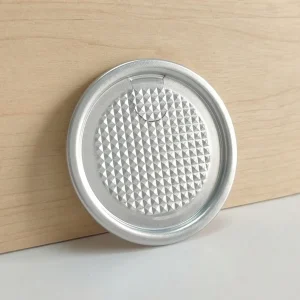
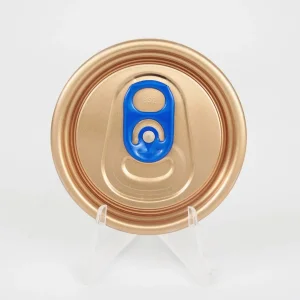
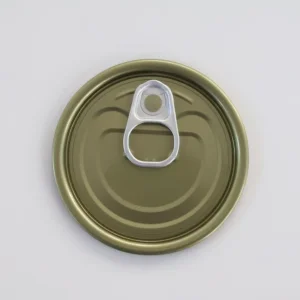
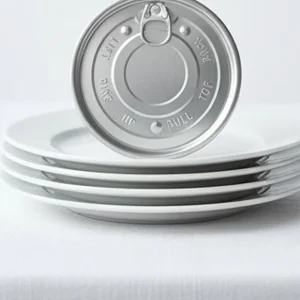
Explore our top-tier metal packaging products engineered to rigorous international food-grade standards, optimizing high-speed seaming lines and extended shelf-life retention.
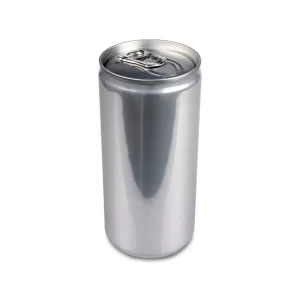
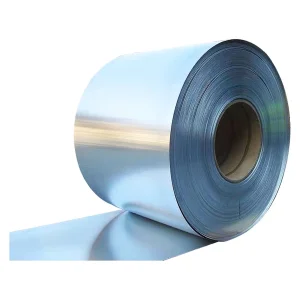
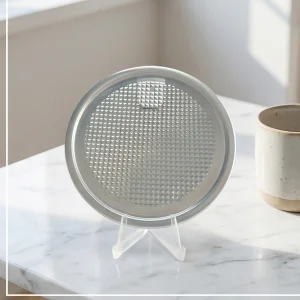
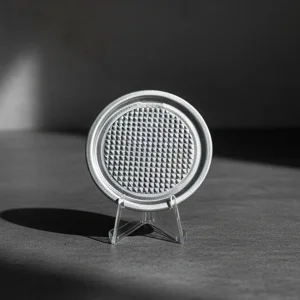
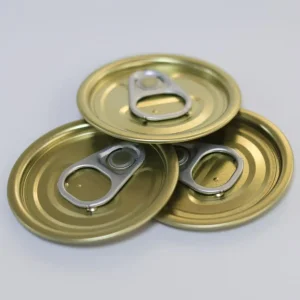
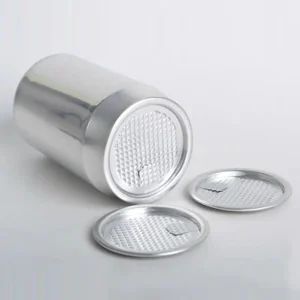
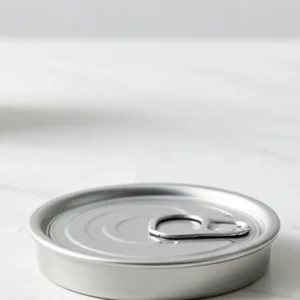
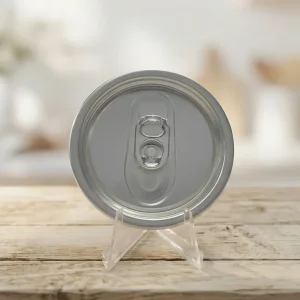
In an era defined by stringent ESG mandates, volatile global logistics, and intensifying regulatory focus on food contact safety, the global market for aluminum foil packaging (Alu Foil Packaging) is undergoing a massive structural transformation. Metal packaging provides an absolute barrier against moisture, oxygen, light, and microbiological contaminants—making it indispensable for high-value food, beverage, infant formula, and pharmaceutical applications.
Modern packaging engineering no longer views aluminum merely as a physical enclosure; it is an active variable in product shelf-life optimization. Advanced cold-rolling techniques now achieve precise foil thicknesses down to 6.3 microns without sacrificing mechanical tensile strength. Furthermore, the integration of 8011-H18, 3104-H19, and 5182-H48 alloys allows brands to reduce weight while improving double-seam performance and pop/pull opening acoustics on automated filling lines.
As corporate sustainability goals accelerate, the infinite recyclability of aluminum metal packaging positions it far ahead of multi-layer plastic laminates, which face mounting carbon-tax penalties and regional bans across the EU, North America, and APAC trade zones.
China has established an unprecedented industrial ecosystem for aluminum processing, spanning raw bauxite refining, continuous casting, high-speed lacquering, and ultra-precision stamping. This integrated infrastructure translates directly to cost efficiency, rapid scaling, and technical consistency for global procurement directors.
Direct access to primary smelting centers allows Chinese manufacturers to control chemical purity (e.g., maintaining Fe/Si ratios in 8011 alloys), preventing micro-voids and micro-cracks during deep drawing and foil conversion.
Equipped with German and Italian coil coating technology, Chinese facilities apply food-contact lacquers (Epoxy-Phenolic, Organosol, and BPA-NI) with dry-film thickness tolerances within ±0.2 g/m² at speeds exceeding 300 meters per minute.
Automated online vision systems scan 100% of manufactured easy-open lids and aluminum coils for pinholes, edge burrs, scratch damage, and lacquer discontinuities, ensuring zero-defect delivery to global bottling facilities.
| Evaluation Metric | Chinese Tier-1 Factory Benchmark | Traditional Western Regional Suppliers | Procurement Advantage |
|---|---|---|---|
| Tooling & Die Setup Lead Time | 10 – 15 Days | 6 – 10 Weeks | 70% Faster Time-to-Market for custom lid shapes & scores. |
| Coil Thickness Precision | ±0.002 mm (Cold-Rolling Master) | ±0.005 mm | Lower material variance and optimal double-seaming seam profile. |
| Production Scalability | Multi-Gigawatt annual capacity, 50M+ ends/day | Moderate / Regional constraints | Seamless scaling during peak beverage/food seasonal surges. |
| Food Safety Compliance | FDA 21 CFR 175.300, EU 1935/2004, GB 4806.10 | FDA / Regional EU | Fully certified for worldwide multi-market cross-border export. |
Packaging failure is not an option when transporting perishable goods across climate zones. Different industries require distinct metallurgical temper, lacquer chemistries, and score line depth configurations.
Key Requirement: Non-Magnetic, Ultra-Airtight Peel-Off Lids
Infant formula demands absolute protection against oxidation, humidity, and metallic particle contamination. Our 401# and 502# non-magnetic aluminum easy-open ends feature thermo-sealed aluminum foil membranes designed for gentle pull forces (8–14 N) while maintaining a hermetic seal under vacuum gas-flushing conditions (N₂/CO₂ mix).
Key Requirement: Internal Pressure Resilience (6.2+ Bar)
High-carbonation drinks generate intense internal pressures during hot-climate transport. Utilizing 5182-H48 shell stock with modified countersink geometry, our 200# and 202# SOT (Stay-On-Tab) lids sustain buckle pressures over 90 PSI while ensuring pristine score pop without liquid spraying.
Key Requirement: Retortability (121°C / 134°C Thermal Resistance)
Canned seafood, meats, and pet foods undergo severe retort processing. We engineer tinplate and aluminum lids with cross-linked organosol inner coatings that resist acid attack, sulfur staining, and delamination during 60-minute steam autoclaving cycles.
For procurement directors, quality managers, and packaging engineers, purchasing aluminum foil packaging involves balancing micro-scale technical parameters against macro-level supply chain risk.
As the packaging industry converges with artificial intelligence and circular economic models, aluminum packaging is evolving beyond passive protection into smart, ultra-lightweight systems.
Incorporating up to 80% recycled content into 3104 and 5182 aluminum coils without reducing metallurgical ductility, cutting embodied carbon emissions by more than 75% compared to virgin aluminum ingots.
Advanced finite element modeling (FEM) allows engineers to reduce easy-open lid shell thicknesses from 0.22mm down to 0.20mm while preserving structural buckle resistance, saving thousands of metric tons of metal annually.
Direct high-speed laser engraving on the underside of pull-tabs and aluminum membranes enables real-time consumer engagement, traceability, and brand security against counterfeit infant formula.
Detailed technical answers curated by our senior metallurgical and packaging quality assurance directors.
Select from our extended lineup of tinplate ends, peel-off foils, and specialized beverage lid formats designed for total freshness preservation.