Explore our precision-engineered aluminum cans, easy-open ends, and high-purity aluminum coils designed for high-speed automated filling lines across global markets.
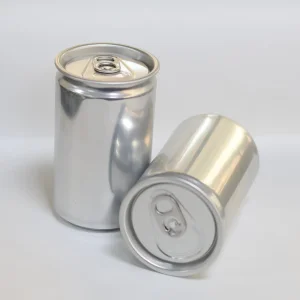
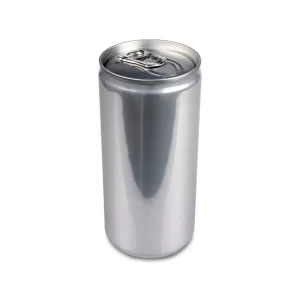
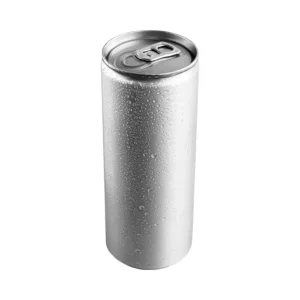
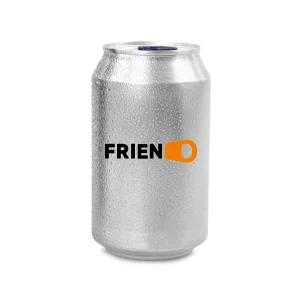
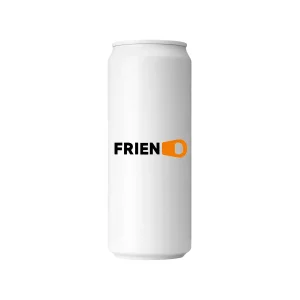
In the global beverage packaging domain, the 330ml Standard Aluminum Can serves as the unquestioned benchmark format across Europe, Asia-Pacific, Latin America, and the Middle East. Representing the ideal single-serve volumetric ratio, this standard format strikes a harmonious balance between ergonomic hand-feel, thermal chill retention, shipping density, and structural rigidity. As FMCG beverage brands transition away from single-use plastics due to aggressive ESG regulations (such as the EU Single-Use Plastics Directive and global Extended Producer Responsibility mandates), the infinitely recyclable aluminum substrate has emerged as the premier choice for sustainable liquid containment.
Historically established as the default container for carbonated soft drinks (CSDs) and lager beers, the modern 330ml standard can has undergone a remarkable market expansion. Today, high-growth categories including ready-to-drink (RTD) craft cocktails, hard seltzers, functional energy formulations, cold-brew coffees, and premium sparkling waters are standardizing on the 330ml footprint. The standard profile (traditionally featuring a 211 body diameter paired with a 202 neck finish) offers optimal top-load strength capable of resisting vertical stacking pressure in automated warehousing environments, while providing an expansive 360-degree canvas for ultra-high-definition branding.
| Technical Parameter | Standard Specification Value | Engineering Tolerance | Quality Assurance Protocol |
|---|---|---|---|
| Brimful Fluid Capacity | 345 ml ± 3 ml | ISO 9001 Volumetric Standard | Gravimetric Water Fill Testing |
| Can Body Outer Diameter | 66.25 mm (211 Diameter) | ± 0.20 mm | Optical Laser Micrometer Gauge |
| Finished Can Height | 115.20 mm | ± 0.30 mm | Digital Contact Height Indicator |
| Neck Finish Diameter | 52.40 mm (202 Neck Format) | ± 0.15 mm | Go/No-Go Precision Ring Gauges |
| Can Body Alloy Grade | AA3104-H19 (Aluminum-Manganese) | Strict ASTM B209/M Compliance | Spectrographic Material Analysis |
| End / Lid Alloy Grade | AA5182-H48 / AA5052-H38 (Tab) | Chemical Purity Certification | Tensile & Yield Strength Verification |
| Internal Lacquer Type | BPA-NI (Non-Intent) Epoxy / Polyester | Film Weight: 50–90 mg/can | Enamel Rater (Conductivity < 2mA) |
| Internal Pressure Limit | ≥ 6.2 Bar (620 kPa / 90 PSI) | Destructive Burst Test Minimum | Hydraulic Pressure Tester |
| Axial Top-Load Strength | ≥ 1.20 kN (122 kgf) | Minimum Static Compression Load | Universal Mechanical Testing Machine |
Formulated with advanced organosol and acrylic BPA-NI linings engineered to withstand organic acids, alcohol up to 15% ABV, and carbonation levels exceeding 4.0 volumes of dissolved CO2.
Engineered to exact dimensional tolerances compatible with modern seaming equipment (Ferrum, Angelus, Continental Can), ensuring double-seam integrity at speeds over 1,200 CPM.
Aluminum cans retain their metallic integrity through infinite recycling loops. Recycling aluminum requires 95% less energy than primary extraction, driving down corporate Scope 3 carbon emissions.
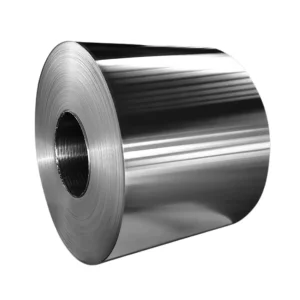
The creation of a high-performance 330ml aluminum standard can relies on the DWI (Drawn and Wall Ironed) manufacturing methodology. High-purity AA3104-H19 aluminum coil stock is uncoiled and fed into a cupping press, stamping out millions of precise shallow cups per day. These cups undergo multi-stage wall ironing and body forming, stretching the aluminum sidewalls to a microscopic thickness of less than 0.10 mm while maintaining structural integrity at the bottom dome.
To ensure complete flavor protection and prevent corrosion from aggressive liquid matrices (such as high-acidity cola soft drinks or craft IPAs with low pH and high hop oils), internal coating application is paramount. Our modern production lines utilize high-pressure, electrostatic spray nozzles that apply food-compliant BPA-NI (Bisphenol A Non-Intent) modified acrylic or polyester resin coatings. The internal film is cured in high-velocity hot air ovens, creating an uninterrupted non-porous barrier between the beverage and the aluminum substrate.
Operating in alignment with Google E-E-A-T principles and international food safety standards (ISO 22000, FSSC 22000, FDA 21 CFR 175.300, EU 1935/2004), our production ecosystems employ automated, inline vision and physical testing systems at every stage:
Every individual can passes through an optical and high-voltage leak detection unit operating at 3,000 CPM, automatically ejecting containers with microscopic pinholes, sidewall tears, or flange imperfections smaller than 50 microns.
Statistical sampling verifies coating continuity. Cans filled with an electrolyte solution undergo electrical resistance measurement; current flow exceeding 2.0 milliamperes indicates micro-fractures in the lacquer lining and triggers automatic line recalibration.
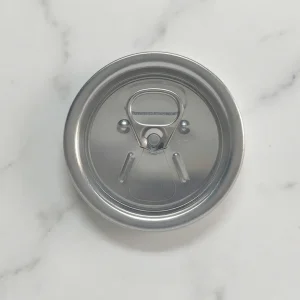
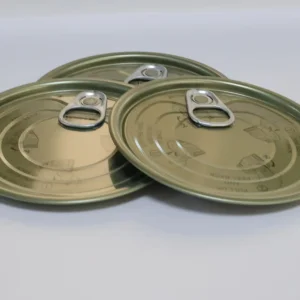
Cans closed with 202 SOT or CDL ends are subjected to computerized cross-sectional video seam analysis. Overlap, seam length, body hook, and cover hook are measured to 0.001 mm accuracy to ensure leak-free seal integrity.
China’s metal packaging manufacturing sector has evolved into an unmatched industrial ecosystem, offering international buyers unprecedented scale, technological advancement, and cost efficiencies. Chinese gigafactories integrate raw aluminum coil rolling, surface treating, high-speed stamping, decoration printing, and automated warehousing within unified industrial clusters.
Key structural advantages delivered by Chinese packaging manufacturers include:
Understanding end-user intent and local beverage formulation chemistry allows us to tailor internal linings, end shell designs, and outer coatings to distinct commercial sub-sectors:
Microbreweries require total oxygen barrier protection to eliminate flavor oxidation and staling. The 330ml standard can equipped with 202 SOT pasteurization-resistant ends preserves delicate hop aromas (isohumulones) and maintains crisp malt profiles under tunnel pasteurization (60°C–65°C holding temperatures).
High-carbonation soft drinks create elevated internal pressure up to 4.5 volumes of CO2. Our reinforced 211/202 standard can body features engineered bottom dome geometry designed to flex under thermal stress without permanent buckle deformation.
Spirits-based RTDs containing acidic citrates, high ABV (5%–12%), or complex flavor emulsions demand modified polymer linings. Our specialized organosol and BPA-NI internal coatings prevent coating degradation, metal leaching, and flavor scalping over extended shelf lives.
Premium botanical waters, adaptogen infusions, and kombuchas leverage tactile matte finishes and metallic highlights on 330ml standard cans to command premium retail shelf positioning in organic and health-conscious consumer segments.
The metal packaging market is undergoing rapid technological evolution driven by sustainability mandates and consumer digitalization:
Advanced finite element modeling (FEM) allows engineers to reduce body coil thickness from 0.260 mm down to 0.240 mm while retaining required axial strength. This lightweighting initiative directly lowers raw material consumption and freight carbon intensity.
Direct-to-can digital ink-jet printing technology enables high-resolution photorealistic graphics for short-run seasonal campaigns, craft beer collaborations, and regional test markets without expensive plate preparation charges.
Laser-etched matrix codes on easy-open tab undersides facilitate anti-counterfeiting tracking, localized supply chain traceability, and interactive digital loyalty campaigns for direct consumer engagement.
When evaluating global suppliers for 330ml aluminum standard cans, procurement directors and supply chain managers must look beyond unit price per thousand (CPM). A comprehensive Total Cost of Ownership (TCO) evaluation framework must incorporate:
Ensure supplier flange geometry and end curl profiles seamlessly mate with your automated fill-seam setup. Mismatched dimensions cause line jams, micro-leaks, and costly downtime on high-speed filling lines.
Verify that the factory provides complete food-contact declarations, heavy-metal compliance (RoHS/REACH), and migration test reports issued by independent accredited laboratories (SGS, TÜV, Intertek).
Evaluate palletization integrity. Standard packaging must utilize top-frame stabilization, vertical corner boards, continuous stretch-wrap, and anti-slip interleave sheets to survive transoceanic transit forces.
Direct engineering and procurement answers regarding 330ml standard cans, order minimums, barrier coatings, and logistics management.
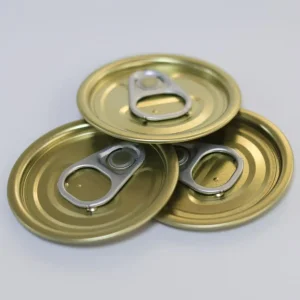
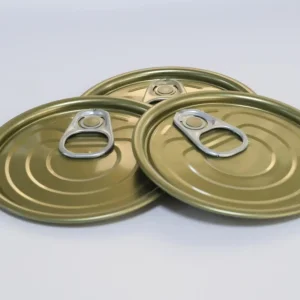
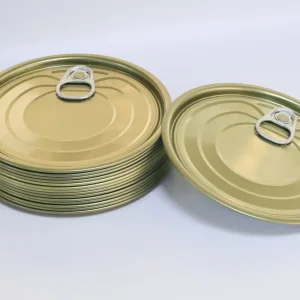
Browse our specialized powder ends, tinplate covers, easy-open aluminum lids, and large-format cans designed to complete your packaging inventory.