Engineered for global beverage filler integration, conforming strictly to international dimensions and high-speed canning parameters.
Comprehensive analysis of metallurgy, mechanical tolerances, high-speed double-seaming dynamics, and global OEM supply ecosystems.
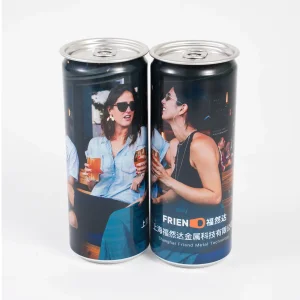
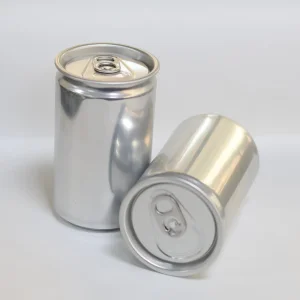
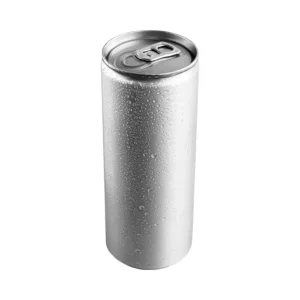
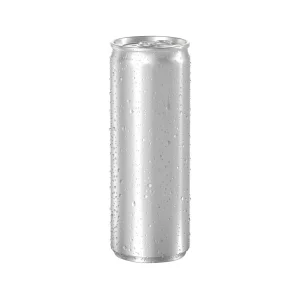
Modern 330ml beverage cans are produced via the Drawn and Wall Ironed (DWI) process using premium 3104-H19 aluminum alloy coil. The engineering standard dictates extreme wall thinning down to 0.095mm – 0.105mm in the mid-body, while maintaining top-necking structural rigidity to withstand column loads exceeding 1.1 kN during axial stacking and high-speed filling.
The 202 neck design (52.5mm outer neck diameter) on a 211 body diameter (66mm outer body diameter) reduces metal weight by 12% compared to vintage 206 ends, offering optimized axial force balance and enhanced thermal conductivity.
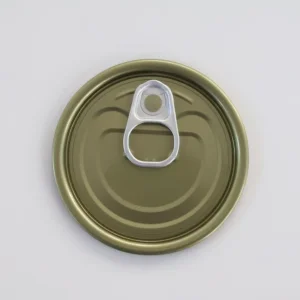
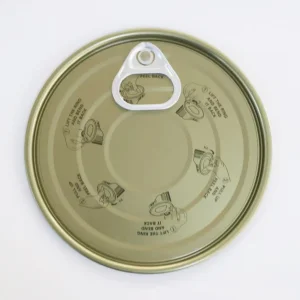
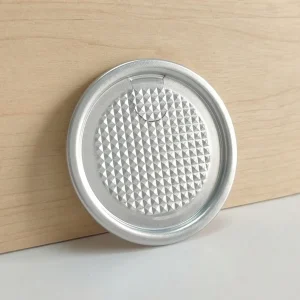
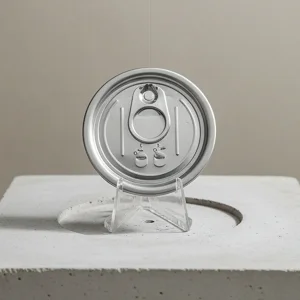
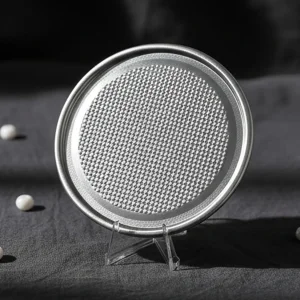
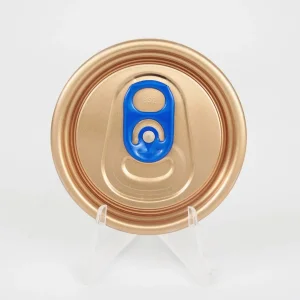
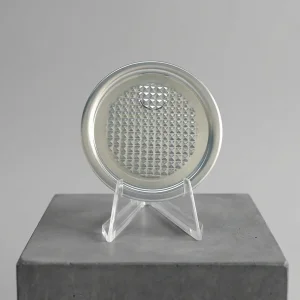
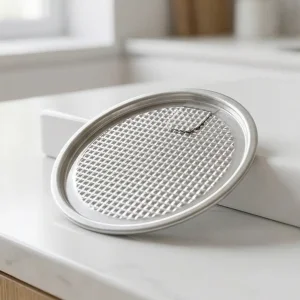
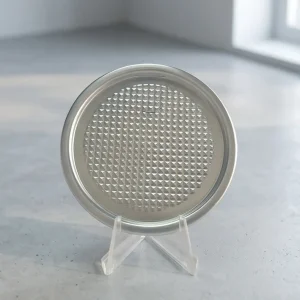
The 202 Lid (52.5mm diameter) serves as the primary pressure-retaining seal for carbonated soft drinks (CSD), craft beers, functional beverages, and RTD teas. Stamped from high-tensile 5182-H48 aluminum shell stock and paired with 5052-H38 tab stock, these ends are engineered for Stay-On Tab (SOT) or Resealable Pull Tab (RPT) functionality.
Engineered to achieve a minimum buckle resistance of 6.2 bar (90 psi), accommodating internal carbonation pressures up to 4.2 volumes of CO2 at elevated pasteurization temperatures (up to 85°C).
| Packaging Component | Alloy & Temper | Nominal Thickness | Internal Coating | Primary Application |
|---|---|---|---|---|
| 330ml Standard Can Body | AA 3104-H19 | 0.260mm (Coil) → 0.098mm (Wall) | Modified Epoxy / BPA-NI Acrylic | CSD, Beer, Energy Drinks |
| 330ml Sleek Can Body | AA 3104-H19 | 0.265mm (Coil) → 0.102mm (Wall) | Water-based Epoxy-Phenolic / Organosol | Craft Beer, Hard Seltzer, RTD Cocktails |
| 202 SOT Easy-Open Lid | AA 5182-H48 (Shell) / 5052 (Tab) | 0.210mm – 0.225mm | BPA-NI Vinyl/Acrylic Polymer | Carbonated & Still Beverages |
| 202 RPT Easy-Open Lid | AA 5182-H48 (Shell) / 5052 (Tab) | 0.220mm – 0.235mm | Cross-linked Polyester / BPA-NI | On-the-go Functional Drinks & Juice |
Preventing micro-leakage and seam failure in automated, ultra-high-speed filling lines (1,000 to 1,800 cans per minute).
Achieving an optimal double seam requires strict control over Cover Hook (CH), Body Hook (BH), Countersink Depth (CSD), and Seam Thickness (ST). Factories must guarantee a minimum theoretical seam tightness of ≥ 80% and optical overlap ≥ 1.10mm to withstand thermal expansion and transport vibration.
The curl of the 202 Lid is lined with water-based or solvent-based synthetic rubber sealant compounds. Precision video-inspection units ensure uniform compound placement (dry weight target: 25–35 mg/end), preventing micro-voids, pinholes, and gas migration under high CO2 saturation.
To ensure zero chemical reaction between acidic beverages (such as energy drinks or cola with pH < 3.0) and the aluminum substrate, automated optical rater systems test internal lacquers for electrical conductivity, enforcing strict threshold limits below 0.5 mA under 6.3V DC excitation.
How multinational enterprise procurement directors evaluate tier-1 packaging factories across key export markets.
Buyers in North America and Western Europe enforce strict compliance with BPA-Non-Intent (BPA-NI) lacquers, transitioning rapidly toward non-fluorinated, acrylic/polyester internal coatings. Procurement protocols prioritize high recycled-content percentages (post-consumer recycled aluminum PCR ratio > 70%), lightweighted 202 B64 or CDL end profiles, and integration with high-speed Ferrum, Angelus, and KHS seaming equipment.
In tropical and high-humidity climates, corrosion resistance during trans-oceanic transit and extended warehousing is paramount. Procurement directors mandate enhanced exterior varnishes (matte, gloss, tactile finishes) paired with rust-inhibiting pallet stretch packaging, desiccant liners in shipping containers, and temperature-stabilized epoxy internal coatings capable of resisting degradation under severe thermal stress.
Unpacking the structural cost, speed, and technology advantages of sourcing 330ml Cans and 202 Lids from Chinese industrial clusters.
Chinese packaging giants operate within close physical proximity to world-class aluminum rolling mills (e.g., Nanshan Aluminum, Chinalco). Direct liquid-metal casting to coil slitting reduces remelting energy costs, enabling competitive tier-1 FOB/CIF pricing while guaranteeing tight metallurgical grain control for micro-gauge drawing.
Utilizing state-of-the-art Stolle, Minister, and Belvac cupping presses, body makers, and conversion presses, modern Chinese factories output up to 3,000 can bodies per minute per line. Automated Machine Vision Inspection Systems (AOI) scan 100% of finished ends for flange denting, tab misalignment, and compound defects.
With direct highway corridors connecting factories to the Port of Shanghai—the world's busiest container facility—export orders benefit from flexible vessel sailings, rapid container stuffing, automated customs declarations, and shortened ocean transit lead times to major global hub ports.
Meeting international food contact standards, localized engineer support, and low-carbon circular economy goals.
Top-tier factories maintain robust Quality Management Systems certified under FSSC 22000, ISO 9001, and ISO 14001. Every batch of 330ml cans and 202 lids shipped internationally is accompanied by comprehensive migration test reports confirming compliance with:
Leading suppliers offer full OEM/ODM technical support, including Pre-Press Color Proofing (CMYK + 2 Spot Varnish Colors), 3D digital can mockups, and on-site seamer setup consultation. Technical service engineers are available for overseas deployment to assist filling plant managers in optimizing seam setup, adjusting chuck/roll clearance, and eliminating seamer-induced defects like cutovers, false seams, or fractured score lines.
Tailored liner formulations and structural specifications for diverse beverage and liquid product categories.
Requires strict Dissolved Oxygen (DO) control during filling and a robust internal coating to survive tunnel pasteurization. Paired with 202 SOT ends with laser-etched tabs or promotional QR codes on the undersurface of the tab.
High carbonation volumes demand maximum buckle resistance (≥ 6.2 bar) in 202 Lids and precise bottom dome reform in 330ml bodies to prevent bottom doming or inversion under internal pressure spikes.
Alcoholic mixes containing organic acids and sulfites require high-performance organosol or heavy polymer lacquers to eliminate enamel breakdown and prevent aluminum ion leaching into delicate flavor matrices.
Navigating the next wave of sustainable engineering, smart packaging, and digital transformation.
The ongoing evolution from standard 202 SOT ends to ultra-lightweight 202 CDL and 202 B64 geometry reduces lid weight by up to 8-10%, shaving thousands of metric tons of CO2 emissions off global brand supply chains annually while maintaining structural integrity.
Short-run craft beverage editions and personalized brand campaigns are accelerating the adoption of high-resolution, direct-to-shape digital inkjet printing. This technology eliminates traditional lithographic printing plate setup costs and minimum order quantities (MOQs).
High-performance aluminum cans, easy-open ends, and specialized lids for global export.
Detailed responses to common inquiries from beverage brand managers, packaging engineers, and procurement directors.
