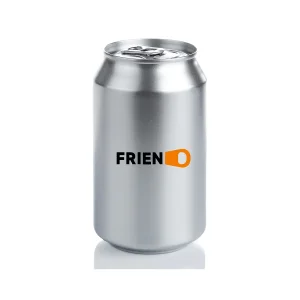
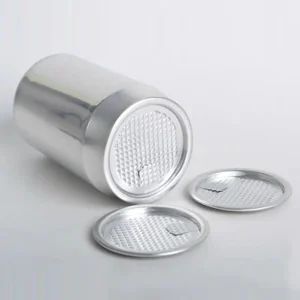
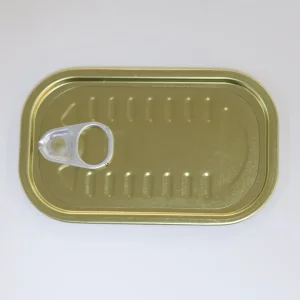
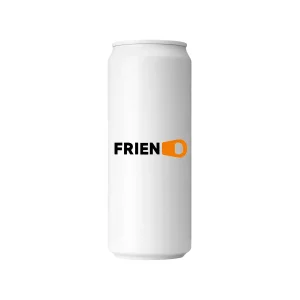
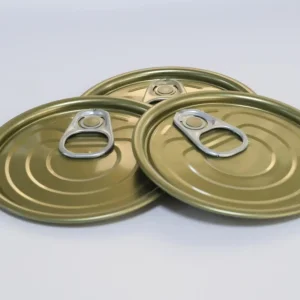
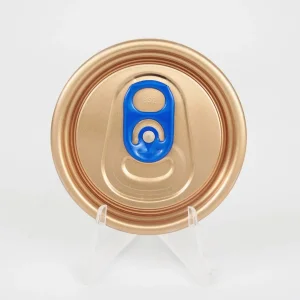
Explore our global export-standard aluminum beverage containers, easy-open lids, and engineered closure solutions designed for high-speed filling lines.
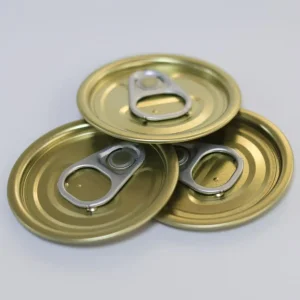
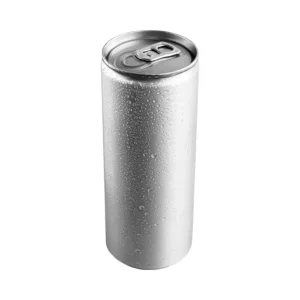
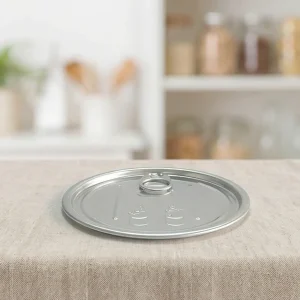
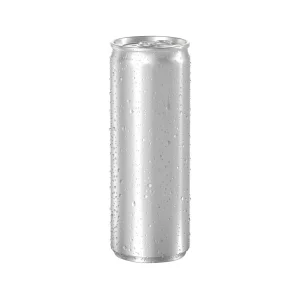

The global beverage packaging sector is undergoing a structural paradigm shift driven by evolving consumer demographics, functional beverage expansion, and stringent sustainability mandates. At the forefront of this transformation is the 250ml Slim Aluminum Can format. Historically dominated by traditional 330ml standard and 355ml (12oz) North American formats, modern packaging portfolios increasingly favor slender, lightweight, high-barrier metal containers.
Commercial market data indicates that the 250ml slim container segment is achieving a Compound Annual Growth Rate (CAGR) exceeding 7.8% globally, outperforming legacy beverage packaging formats. This acceleration is particularly prominent across Western Europe, North America, East Asia, and the Middle East, driven by four distinct macro-level industrial factors:
Consumers are prioritizing portion control, lower caloric density, and active functional formulations including pre-workout formulas, Nootropic energy drinks, and CBD-infused botanical beverages.
The slim silhouette natively projects a sleek, high-end, modern aesthetic on retail shelves, enabling brands to command significantly higher retail price points per unit volume compared to standard cans.
With global regulatory bodies clamping down on single-use plastics (SUP Directives, Extended Producer Responsibility laws), aluminum packaging offers an unmatched 75%+ recycled content circular loop without structural degradation.
Manufacturing a premium 250ml slim aluminum can requires extreme mechanical precision and sophisticated metallurgy. Utilizing advanced Drawing and Wall Ironing (DWI) technologies, raw aluminum coils are transformed through multiple high-speed drawing dies into thin-walled, high-strength hollow cylinders.
| Technical Parameter | Specification / Standard Standard Value | Engineering Significance / Tolerance |
|---|---|---|
| Nominal Liquid Capacity | 250 ml (8.45 fl oz) | Target fill line calibrated for automated high-speed flowmeters |
| Body Alloy Grade | AA 3104-H19 High-Manganese Aluminum | Provides superior tensile strength, deep-drawing ductility & axial strength |
| End / Lid Alloy Grade | AA 5182-H48 Magnesium-Rich Alloy | Optimized for rivet formation, score line pop-and-pull integrity |
| External Body Diameter | 53.30 mm ± 0.20 mm | Slim profile ergonomics and high pallet packaging density |
| Overall Can Height | 134.00 mm ± 0.30 mm | Fits global high-speed depalletizer and rotary seamers |
| Neck Diameter (Fitment) | 200 # (50.00 mm internal curl) | Lightweight end standard reducing metal consumption per unit |
| Internal Pressure Rating | ≥ 6.2 BAR (90 PSI) Internal Pressure | Safely accommodates high carbonation levels (up to 4.2 vol CO₂) |
| Axial Buckle Load | ≥ 1,100 N (Newton Force Threshold) | Ensures stackability stability during transoceanic freight and warehousing |
| Internal Protective Coating | BPA-Non-Intent (BPA-NI) / Organosol / Acrylic Epoxy | Eliminates liquid-metal migration; preserves taste, color, and shelf life |
Every batch undergoes strict quality control protocols, including electronic pinhole detection (100% light-detection camera inspection at 1,500+ Cans Per Minute), enamel rater electrical conductivity testing (to guarantee zero internal barrier breaches), and destructive double-seam teardown analysis.
Global beverage brands and contract packers (co-packers) seeking long-term supply chain security, cost predictability, and agile turnaround consistently rely on top-tier Chinese aluminum packaging manufacturers. The technological evolution of China’s metal packaging infrastructure offers unprecedented competitive advantages:
State-of-the-art Chinese manufacturing facilities operate continuous automated body-makers and washer-dryer units from global leaders (e.g., Stolle, Belvac, Rutherford). Capable of running at line speeds exceeding 1,800 CPM, these lines guarantee microscopic dimensional repeatability across million-can runs.
By locating high-precision stamping and necking plants adjacent to primary aluminum smelting and precision coil-rolling hubs, Chinese factories eliminate cross-country logistical friction, minimize raw material transit oxidation, and achieve optimal unit economics.
In-house printing capabilities feature up to 8-color dry offset lithography, tactile spot-varnish, matte finishes, metallic shimmer effects, and thermo-chromic temperature-sensitive inks, elevating shelf appeal without compromising processing speed.
The versatile physical attributes and robust protection properties of the 250ml slim container make it the ideal substrate for a diverse spectrum of global commercial liquid products:
The explosive growth of canned spirits, premixed cocktails (Gin & Tonic, Margarita, Espresso Martini), and hard seltzers relies heavily on 250ml slim cans. The format perfectly aligns with alcohol volume control policies, offers rapid chilling properties, and prevents UV light oxidation from degrading volatile aromatic botanicals.
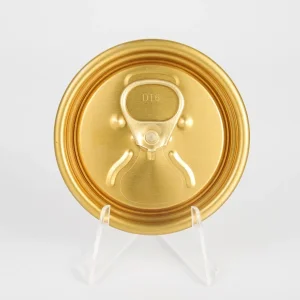
The iconic slim profile is synonymous with high-energy, performance, and focus beverages. Paired with 200# SOT (Stay-On-Tab) or RPT (Red Pull Tab) lids, it provides a tamper-evident, airtight seal that maintains high carbonation retention (CO₂ stability) and protects sensitive B-vitamin complexes from photo-degradation.
Utilizing liquid nitrogen dosing prior to seaming, 250ml slim cans create a pressurized internal environment that maintains structural rigidity for non-carbonated cold brews, matcha lattes, and plant-based oat milk beverages, while delivering a velvety "cascade" effect upon opening.
High-end natural spring waters and prebiotic fruit sodas utilize the slim silhouette to convey purity and health-conscious positioning. The complete oxygen-barrier properties of aluminum prevent carbonation dissipation and extend shelf life to 18-24 months.
When evaluating global suppliers for 250ml slim aluminum cans and companion easy-open closures (200/202 SOT/RPT, powder lids, tinplate ends), procurement directors and quality assurance managers must implement a rigorous audit framework:
Verify that factory internal lacquer formulations comply strictly with international food-contact mandates: FDA 21 CFR 175.300 (USA), EU Regulation 1935/2004, and China GB 4806.10 standards. Demand verified migration test reports for BPA-Non-Intent compliance.
Ensure the manufacturer provides precise CAD technical drawings confirming neck flange width, countersink depth, and seaming panel geometry matching your rotary seamer chucks and rolls (e.g., Ferrum, Angelus, CFT seaming machinery).
Optimize ocean freight logistics by evaluating pallet loading configurations. Standard export pallets (1100x1400mm or standard EURO dimensions) should feature top frames, kraft slip-sheets, corner protectors, and high-tension stretch-hood shrink wrapping.
The future of the global metal packaging industry is shaped by technological innovation, decarbonization objectives, and digital supply chain integration. Leading 250ml slim can suppliers are investing heavily in the following technological vectors:
Advanced mechanical profiling allows engineers to reduce body coil thickness from 0.280mm down to 0.245mm or thinner without sacrificing axial load strength or internal burst resistance. This achieves significant carbon footprint reductions across raw material mining, shipping freight, and post-consumer re-smelting.
Complementing high-speed offset lithography, high-resolution industrial digital printing enables short-run customizations, variable data printing, promotional QR-code integration, and zero plate-setup delays—ideal for craft beverage trials and rapid market validation.
Leading China factories are shifting toward closed-loop scrap recycling systems, increasing the proportion of recycled post-consumer scrap (PCR) in 3104 alloy body stock, significantly lowering Scope 3 greenhouse gas emissions for global brand owners.
Transitioning from first-generation epoxy coatings to water-based acrylics and high-performance organosol linings ensures complete chemical resistance against aggressive high-acid beverages (low pH carbonated drinks, wine cocktails) with guaranteed flavor neutrality.
Direct answers to technical, commercial, and operational queries routinely raised by enterprise procurement officers and packaging engineers:
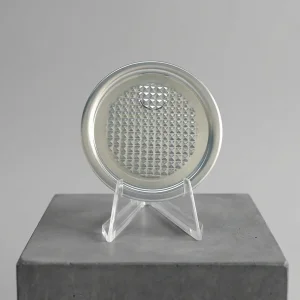
Explore our full line of specialized metal packaging products, including pharmaceutical powder lids, specialty tinplate closures, and extended volume aluminum cans.