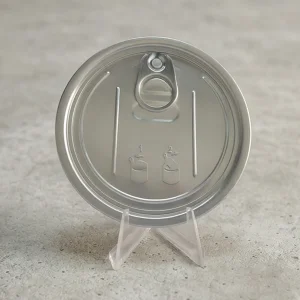
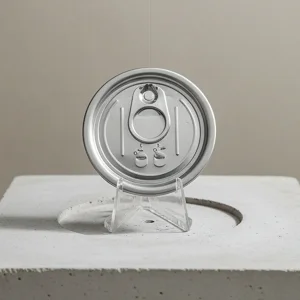
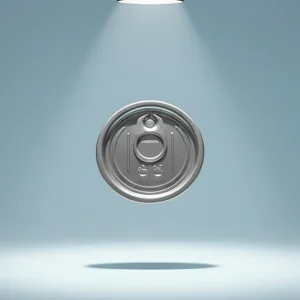
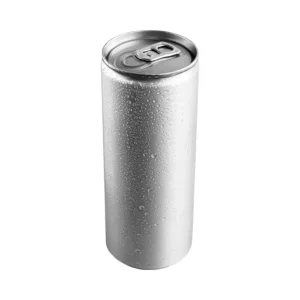
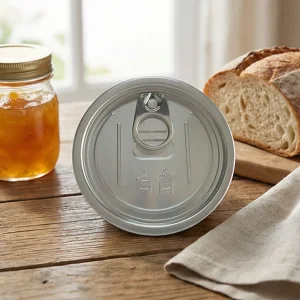
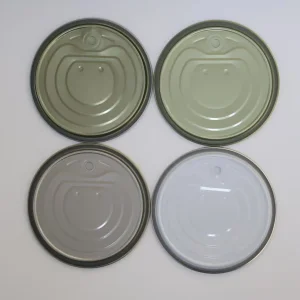
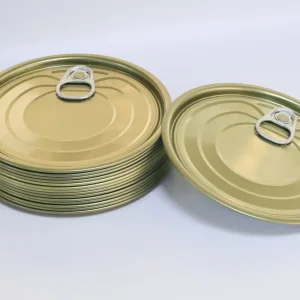
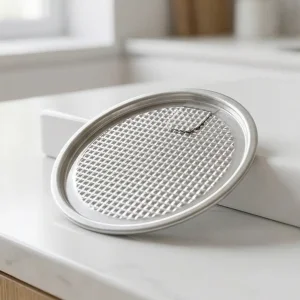
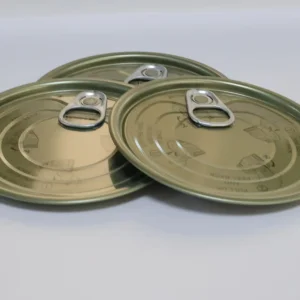
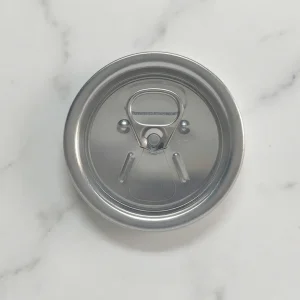
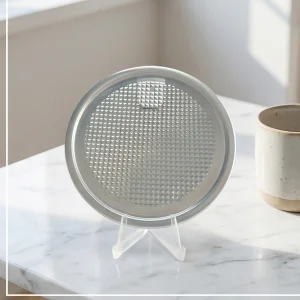
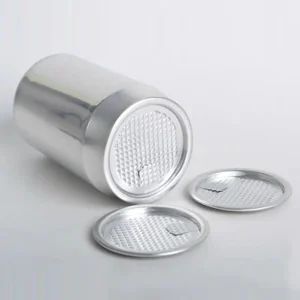
High-speed stamped 200#, 209#, 305#, 307# aluminum lids and specialty tinplate ends designed for zero-defect seam compatibility across global canning lines.
An authoritative analysis of market transformation, lightweighting trends, and global sourcing dynamics for 200# (50mm diameter) metal closures.
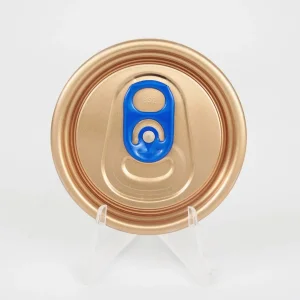
The global metal packaging market has undergone a structural shift toward standardisation, sustainability, and ultra-high-speed automated filling. Central to this evolution is the 200# Easy Open End (EOE)—a 50mm nominal diameter metal lid format that has become the gold standard for sleek beverage cans, specialty carbonated soft drinks (CSD), energy drinks, craft beers, and specialized nutritional powder containers.
Historically dominated by larger diameters such as 211# (65mm) and 206# (57mm), the commercial shift to 200# (50mm nominal opening) represents an engineering triumph in aluminum lightweighting. By reducing the neck diameter of the can body from 206 to 200, global beverage conglomerates reduce aluminum raw material usage by approximately 8% to 12% per end shell. On a global scale of over 140 billion cans annually, this dimensional reduction eliminates hundreds of thousands of metric tons of greenhouse gas emissions while delivering immense cost efficiency to procurement networks.
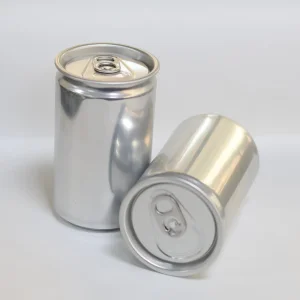
Ready-to-drink (RTD) teas, functional beverages, cold brew coffees, and hard seltzers overwhelmingly adopt sleek 250ml, 330ml, and 355ml cans with 200# SOT (Stay-On Tab) ends to establish a premium, ergonomic shelf presence.
Tightening regulatory frameworks from the European Chemicals Agency (ECHA) and U.S. FDA regarding food-contact substance migration have forced EOE factories to migrate entirely to advanced BPA-NI (Bisphenol A Non-Intent) internal lacquer systems.
Beyond liquid beverages, modified 200# and 209# full-aperture aluminum ends provide nitrogen-flush gas barriers for high-value baby formula, aromatic coffee, and pharmaceutical powders.
Understanding alloy tempers, score residual tolerances, and high-speed shell press operations that govern 200 EOE performance under pressure.
High-performance 200# Easy Open Ends rely on structural aluminum-magnesium alloys. The end shell is predominantly stamped from AA5182-H48 or AA5182-H19 aluminum coil. This alloy features high tensile strength (360–410 MPa) and superior yield strength, allowing the countersink area to withstand internal pasteurisation pressures exceeding 6.2 bar (90 PSI) without buckling.
Concurrently, the pull tab is fabricated from AA5052-H19 tab stock, which provides high yield resistance to prevent tab flexure during initial pop-and-tear sequence.
The functional reliability of an Easy Open End pivots on the depth and geometry of its score line. Modern conversion presses (e.g., Minster, Stolle, Buhrke) cut a score profile into the metal shell, leaving a score residual thickness of just 55 to 65 micrometers (μm), maintained to a tolerance of ±2.0 μm.
To prevent metal dissolution and maintain beverage taste integrity over a 12-to-24-month shelf life, 200# EOE shells receive an automated spray coating of high-performance internal lacquer. Modern plants utilize water-borne acrylic-modified organosols or polyester BPA-NI coatings applied at 8.0 to 14.0 g/m² dry film weight.
| Specification Parameter | 200# SOT (Stay-On Tab) | 200# RPT (Resealable) | 209# Dry Powder EOE | 307# Full Open Food EOE |
|---|---|---|---|---|
| Nominal Opening Diameter | 50.0 mm | 50.0 mm | 62.5 mm | 83.3 mm |
| Shell Base Alloy | AA5182-H48 / H19 | AA5182-H48 | AA5052-H34 / 5182 | AA5182 / ETCS Tinplate |
| Nominal Gauge Thickness | 0.208 mm – 0.220 mm | 0.220 mm – 0.230 mm | 0.230 mm – 0.250 mm | 0.240 mm – 0.280 mm |
| Buckle Pressure Resistance | > 6.2 bar (90 PSI) | > 5.8 bar (84 PSI) | > 2.5 bar (Vacuum/Gas) | > 2.2 bar (Retort Capable) |
| Enamel Conductivity (mA) | < 2.0 mA (1% NaCl) | < 2.5 mA | < 1.0 mA | < 3.0 mA |
| Pop / Tear Force | Pop: 16–20N / Tear: 24–30N | Pop: 18–22N / Tear: 28–34N | Pop: 15–22N / Tear: 25–35N | Pop: 20–28N / Tear: 30–45N |
Why premier Chinese metal packaging manufacturers lead the global market in lead-time resilience, tooling flexibility, and cost-to-quality ratios.
China’s metal packaging sector has transformed from low-cost output into an advanced, automated, highly integrated manufacturing powerhouse. For multinational beverage brands and overseas canning plants seeking reliable Global 200 Easy Open End suppliers, Chinese factories offer distinct competitive advantages that directly impact procurement ROI and operational continuity.
Tier-1 Chinese factories operate within integrated clusters combining aluminum ingot smelting, hot-rolling mills (producing 5182 and 3104 coils), high-speed slitting, coating/lacquering, and multi-lane stamping under one roof. This minimizes raw material transit latency.
Equipped with state-of-the-art Minster 6-lane and 8-lane shell presses running at up to 3,000 ends per minute, top Chinese factories achieve massive economies of scale, absorbing demand surges without compromising dimensional precision.
Automated 100% vision inspection systems check every single end for score burrs, rivet cracks, compound liner voids, and surface micro-scratches at line speed, reducing defect ratios to less than 1 PPM (Parts Per Million).
Chinese mold engineering centers can design, prototype, and validate custom end profiles, specialized tab logos, laser-etched promo codes, and unique color lacquers within 14 to 21 days—compared to 8–12 weeks in western counterpart plants.
How distinct product categories configure 200# aluminum ends and companion lids to ensure structural integrity and prolonged shelf freshness.
Carbonated soft drinks require EOE closures that tolerate internal pressure fluctuations caused by dissolved CO₂ (typically 3.2 to 4.2 volumes). The 200# SOT (Stay-On Tab) configuration utilizes a reinforced countersink radius and an anti-peel score design. During high-temperature ambient shipping (up to 55°C in tropical transit), the dome profile resists oil-canning and micro-leaks, safeguarding product carbonation.
Brewery operations demand that 200# and 202# EOE components endure thermal shock during tunnel pasteurization (typically 60°C–65°C for 15–20 minutes). Shells are specified with robust AA5182-H48 strain-hardened aluminum and sulfur-resistant internal linings to ensure the liquid taste profile is unmarred by organoleptic degradation.
In nutritional powder packaging (infant formula, protein powders, clinical supplements), modified 200#, 209#, and 307# easy-open lids incorporate peelable foil membrane technology (POI - Peelable Open Ends) or full-aperture aluminum ends with compound gasket lining. Nitrogen gas flushing reduces oxygen levels below 0.5%, preventing lipid oxidation and extending shelf life to 36 months.
For processed foods, canned tuna, and pet food, 307# and 401# easy-open tinplate or aluminum lids must undergo aggressive thermal sterilization at 121°C for up to 90 minutes. High-durability organosol or modified polyester inner lacquers prevent acid aggression from tomato pastes, brine, and fatty proteins.
Exploring zero-carbon aluminum, smart digital tabs, micro-gauge lightweighting, and eco-conscious coating breakthroughs.
Leading R&D centers are pushing shell gauges down from 0.208mm to 0.190mm and 0.180mm. FEA (Finite Element Analysis) simulation allows re-engineering of the countersink profile to maintain 6.0+ bar buckle resistance while shaving precious milligrams of metal per unit.
High-speed fiber lasers etch unique high-resolution QR codes underneath or on top of the 200# pull tab. This enables anti-counterfeiting, supply chain traceability, and direct-to-consumer digital marketing engagement upon opening.
The industry is fully eliminating bisphenol compound precursors. Next-generation waterborne acrylic and polyester coatings offer non-detectable BPA levels while improving flexibility during the double-seaming process.
Essential verification protocols for packaging engineers and international B2B buyers evaluating 200 EOE manufacturing partners.
When qualifying a Global 200 Easy Open End Factory, enterprise procurement teams must execute a rigorous technical audit spanning raw material verification, double seam setup compatibility, and ocean logistics protection.
Direct answers from our senior packaging engineers on 200 EOE specifications, order minimums, and compliance standards.
Explore our complete range of food-grade tinplate lids, RPT resealable ends, and large-diameter powder easy-open closures.