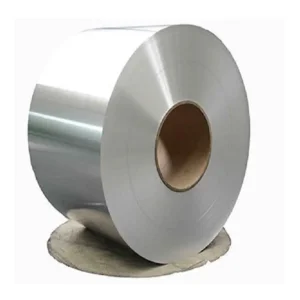
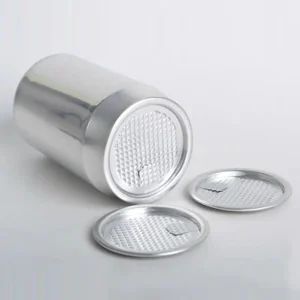
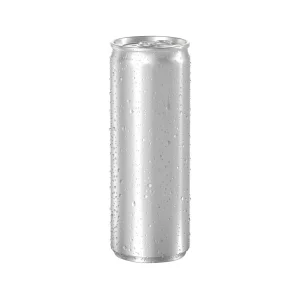
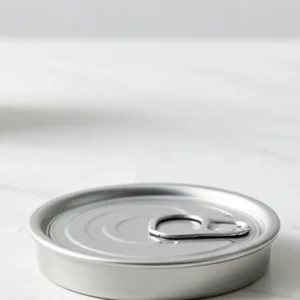
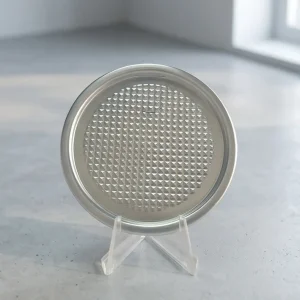
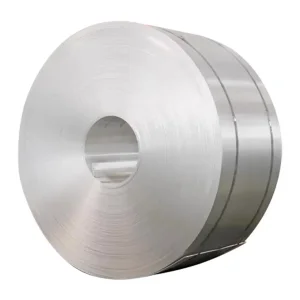
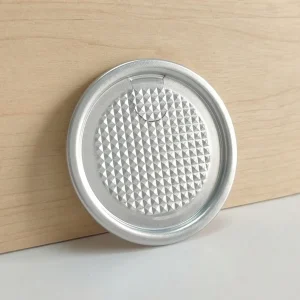
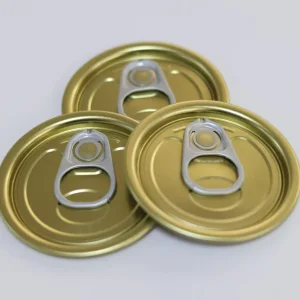
Precision-engineered easy-open ends, food-grade tinplate lids, and premium aluminum coils certified for high-speed automated canning lines.
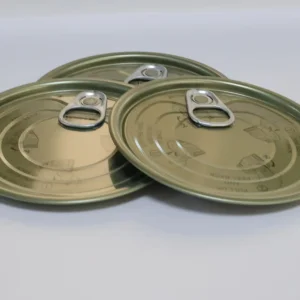
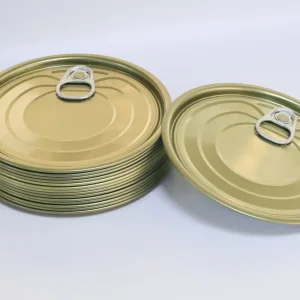
A comprehensive engineering assessment of materials science, barrier integrity, and sustainable sourcing dynamics for corporate procurement specialists.
Modern food preserving demands zero margin for error regarding oxidation, thermal retort stability, and chemical migration. The implementation of Advanced Polymer Organosols, BPA-NI (Bisphenol A Non-Intent) internal linings, and high-strength 3104/5182 aluminum alloys allows current empty cans to maintain structural integrity across thermal cycles ranging from cryogenic freezing to 131°C high-pressure retort sterilization.
Aluminum and tinplate empty cans are leading the global circular transition. Unlike plastics, metal retains its intrinsic physical properties through infinite recycling loops, reducing virgin material energy expenditure by up to 95% for aluminum and 75% for steel.
Global compliance demands complete elimination of endocrine-disrupting compounds. Modern empty food cans integrate acrylic, polyester, or polyolefins-based organosol coatings designed for acid resistance (pH < 3.0) without organoleptic degradation.
By utilizing wall-ironing (DWI) technologies and high-tensile tempers (such as 3104-H19 and T4/DR8 tinplate), manufacturers have thinned container walls to sub-0.10mm while improving column crush resistance and internal pressure limits.
How multi-national food conglomerates evaluate empty food can suppliers to mitigate supply chain risk and guarantee seam integrity.
International enterprise buyers operate high-speed automated filling lines running at speeds from 600 to 1,500 cans per minute. At these velocity levels, even slight dimensional variance causes line stoppages, jam-ups, or catastrophic micro-seam failures. Sourcing protocols focus heavily on:
Procurement teams must carefully match empty container architectures against target product viscosities, processing conditions, and shelf-life requirements:
| Parameter | 2-Piece Drawn & Ironed (DWI) | 3-Piece Sanitary Welded |
|---|---|---|
| Primary Alloy | 3104-H19 Aluminum / Tinplate | MR Grade Electrolytic Tinplate (ETP) |
| Side Seam | Seamless (Zero Leakage Path) | Electric Resistance Welded (WIMA) |
| Pressure Limit | High Internal Pressure (> 6.0 Bar) | Vacuum & Retort Optimized |
| Best Applications | Beverages, Ready Drinks, Oils | Processed Vegetables, Meats, Powders |
Leveraging vertical raw material integration, AI vision inspection, and high-speed stamping networks for global competitiveness.
Inline high-resolution optical sorters inspect 100% of empty cans for flange denting, coating scratches, pinhole defects, and rim ovality, ejecting sub-micron anomalies automatically.
By housing multi-stage roller coaters and precise gang slitting units on-site, facilities drastically cut lead times for custom-lacquered sheet stock and specialized coil tempers.
Rapid CNC machining and modular die manufacturing allow custom can heights, specialized easy-open scoring profiles, and embossed brand patterns within days.
Proximity to major coastal deep-water ports (Shanghai, Ningbo, Qingdao) provides robust container availability, enabling bulk shipment under ocean freight protection.
Engineering empty cans for diverse product characteristics, shelf lives, and consumer opening experiences.
Milk powder and infant formulas require ultra-low residual oxygen content (< 0.5%) to prevent fat oxidation. Specialized empty cans use 401# or 502# full-aperture aluminum easy-open ends combined with nitrogen flush compatibility and non-magnetic stainless-steel foil seals.
Tuna, sardine, and wet pet food processing involves aggressive saline environments and high thermal expansion. Cans feature sulfur-resistant internal lacquers (Organosol/Modified Polyester) and deep-drawn step profiles to absorb internal pressure changes during retorting.
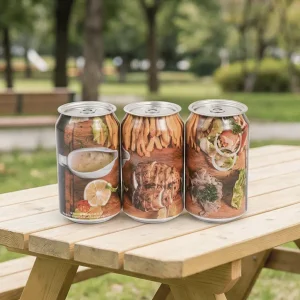
Sleek (330ml) and Slim (250ml) aluminum 2-piece cans feature internal high-flex coatings to withstand carbonation levels up to 4.5 volumes of CO₂ while providing 360-degree high-definition dry-offset printing surfaces for brand differentiation.
Quantitative technical metrics utilized in our standardized Quality Assurance testing protocol.
| Component Type | Material Standard | Available Diameters | Internal Coating System | Quality Test Protocol |
|---|---|---|---|---|
| Aluminum Can Bodies | Alloy 3104-H19 | 200# (50mm), 202# (52mm), 211# (65mm) | BPA-NI Epoxy / Acrylic Organosol | Axial Crush Test, Axial Buckle, Enamel Rater |
| Easy Open Ends (SOT/RPT) | Alloy 5182-H48 (Shell) + 5052 (Tab) | 200#, 202#, 206# | Modified Polybutadiene / Polyester | Pop & Pull Force Analysis, Seam Integrity |
| Tinplate Sanitary Ends | Electrolytic Tinplate (ETP) T4/DR8 | 202#, 300#, 307#, 401#, 603# | Gold Epoxy / Aluminum Organosol / SR Lacquer | Copper Sulfate Porosity Test, Retort Cook Test |
| Powder Foil Lids | 8011-O Aluminum Foil + ETP Ring | 300#, 401#, 502# | Heat-Sealable Polypropylene Film | Peel Strength Test, Pinhole Optical Inspection |
Every shipment leaving production facilities is issued a batch-specific Certificate of Analysis (CoA) confirming compliance with global regulatory standard frameworks:
Empty food cans travel as low-density, high-volume bulk freight. To eliminate transit deformation, scratch damage, and atmospheric oxidation, products undergo automated packing:
Direct technical guidance from our packaging design team regarding materials, minimum orders, double seam setup, and custom options.
Additional high-performance packaging configurations and factory-direct raw material coils for international buyers.