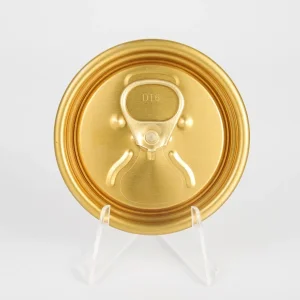
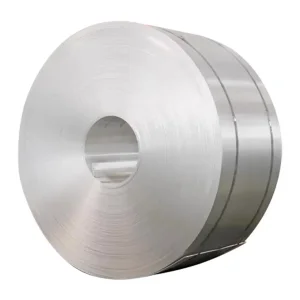
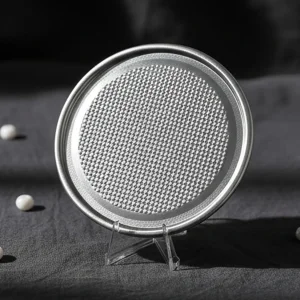
Explore our core catalog of food-grade aluminum cans, easy-open lids, and industrial coil stock. Engineered for high-speed filling lines and extreme shelf-life reliability.

Understanding the structural transition from legacy glass packaging to high-performance, infinitely recyclable aluminum cans across global industrial supply chains.
The global beverage sector is undergoing an unprecedented shift toward aluminum metal packaging. Driven by strict international carbon emission targets and evolving consumer preferences, major industrial breweries and boutique craft producers alike are abandoning glass bottles. Aluminum cans offer a 100% impervious barrier against ultraviolet (UV) light and dissolved oxygen ingress—the two primary causes of organoleptic degradation and staling in beer. Furthermore, the volumetric efficiency of canned beer yields up to 40% higher spatial density during freight transit, radically lowering logistics costs and scope-3 greenhouse gas outputs.
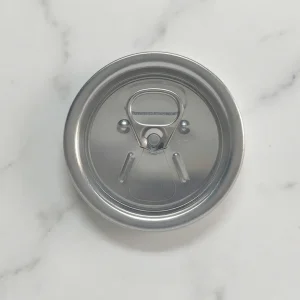
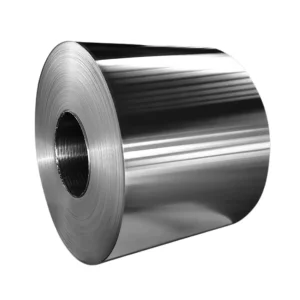
Modern high-quality canned beer manufacturing relies on metallurgical precision. Can bodies are drawn from specialized 3104-H19 aluminum coil stock, exhibiting exceptional tensile strength and deep-drawing plasticity. Easy-Open Ends (EOE) utilize high-strength 5182-H48 aluminum alloy for shell stability, combined with 5052 alloy tabs. This multi-alloy balance ensures that seamers can operate at ultra-high speeds (exceeding 1,500 cans per minute) while maintaining a mandatory minimum internal buckle pressure threshold of 6.2 bar (90 PSI).
Analysis of technical advancements, sustainable coatings, lightweighting engineering, and market transformation over the next decade.
Through double-drawn and wall-ironed (DWI) mechanics, manufacturers are reducing can wall thickness to less than 0.09 mm without sacrificing structural axial column load strength. Every 0.01 mm reduction saves thousands of metric tons of aluminum raw material annually across large bottling operations.
Regulatory changes in Europe and North America demand strict elimination of Bisphenol-A. Leading factories have converted to non-intent (BPA-NI) acrylic and polyester internal water-borne coatings, preserving liquid flavor purity while providing robust protection against high-acidity artisan beers and RTDs.
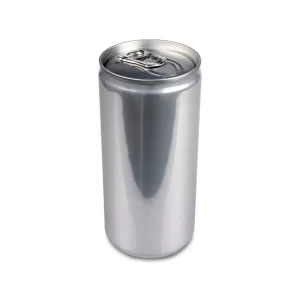
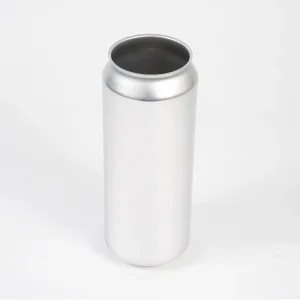
While the traditional 330ml/355ml/500ml standard cans dominate commercial lager markets, consumer preferences are diversifying. Sleek (330ml, 355ml) and Slim (200ml, 250ml) profiles are growing exponentially in premium craft beers, hard seltzers, and ready-to-drink mixed cocktails.
Deciphering technical criteria, vendor audit standards, and seam-matching requirements for B2B procurement managers and beverage plant operations directors.
| Evaluation Parameter | Technical Benchmark Standard | Procurement Risk Mitigation Impact |
|---|---|---|
| Seam Integrity & Double-Seam Fit | Countersink depth ±0.05mm, Curl thickness uniformity | Prevents line micro-leaks, downtime on high-speed mechanical seamers (Ferrum, Angelus). |
| Enamel Rater Pass Rate | Current < 2.0 mA under 6.3V DC test across inner coating | Guarantees zero aluminum metal migration into liquid, preserving true beer flavor profile. |
| Axial Load Column Strength | Min. 800 N to 1000 N depending on wall height profile | Prevents bottom bucket collapse during pallet stacking and high-cube sea transport. |
| Pop & Pull Tab Force | Pop force: 15–28 N; Full open pull force: 22–38 N | Ensures effortless consumer opening ergonomics without tab fatigue detachment failure. |
| Coating Migration Compliance | FDA 21 CFR 175.300, EU Regulation 1935/2004, GB 4806.10 | Eliminates regulatory import blockage at customs for European and North American destinations. |
Corporate purchasing officers no longer evaluate suppliers strictly on per-thousand unit cost. True cost efficiency demands examining the Total Cost of Ownership. Key parameters include freight cube optimization (pallet layout density), lower seam jam rates on filling lines (which can cost $5,000/hour in lost throughput), and flexible production lead times to prevent inventory carrying overhead.
Modern beer brands leverage tactile and visual differentiates on aluminum substrates. High-speed 6-to-8 color dry offset printing lines now feature matte lacquers, tactile grip varnishes, thermochromic inks (which change color when cold), and high-resolution metallic gloss effects, giving products maximum shelf presence in retail environments.
How automated smart manufacturing, fully integrated aluminum coils, and stringent quality matrix control guarantee unprecedented delivery stability.
Equipped with imported high-speed cupping presses and cupper-to-ironer synchronization, Chinese smart facilities produce up to 3,000 can bodies per minute per line. Computerized wall-thickness gauging maintains sub-micron consistency across all production batches.
High-resolution 360-degree inline optical vision sensors inspect 100% of finished cans and easy-open ends. The AI system detects microscopic pinholes, flange deformations, rim scratches, and lacquer unevenness before items are bundled for palletizing.
By controlling raw material coil preparation (3104, 5182, 5052, 8011 series) and maintaining direct proximity to deep-water container ports in Shanghai, factory hubs eliminate raw material stockouts and offer rapid ocean vessel loading.
Customized metal packaging configurations engineered for specialized beverage categories and industrial applications across global markets.
Configuration: Standard 330ml / 355ml / 500ml Cans with 202 SOT Easy-Open Ends.
Technical Requirement: High pasteurization resistance (withstanding 60–65°C tunnel pasteurization), internal pressure tolerance up to 6.2 bar, oxygen barrier < 0.02 cc/can/day. Designed for high-speed filling lines running up to 100,000 cans/hour.
Configuration: Sleek 330ml / 355ml Cans with 200 or 202 RPT Resealable Ends.
Technical Requirement: Heavy-duty BPA-NI dual-coat internal protective lacquer. Formulated specifically to resist corrosion from aggressive spirit blends, low pH citrus acids (pH < 2.8), and carbonated pre-mixed drinks.
Configuration: Sleek / Slim Cans with Widget Integration or Liquid Nitrogen Dosing.
Technical Requirement: High sidewall column strength to withstand internal pressure surges from nitrogen gas expansion, ensuring a smooth, cascading velvet head upon opening.
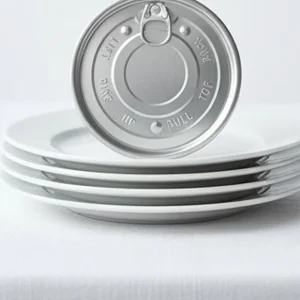
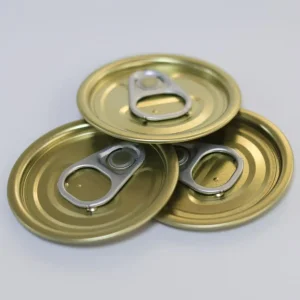
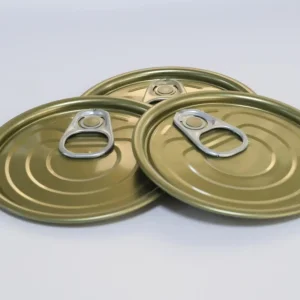
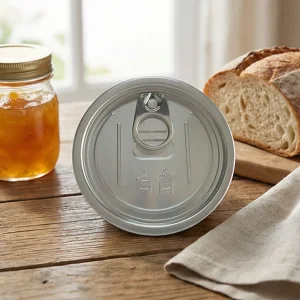
Configuration: 200# to 502# Easy-Open Aluminum Ends, Transparent-Top Lids, & Tinplate Ends.
Technical Requirement: Airtight, hermetic seal compound lining, high vacuum holding capacity, peelable foil membrane options, and nitrogen-flush compatibility for zero moisture absorption.
Expert technical insights directly from our senior packaging engineering team regarding alloy selections, line matching, quality certifications, and global logistics.
Select from our extended line of specialized packaging options, powder lids, tinplate closures, and premium aluminum coils.
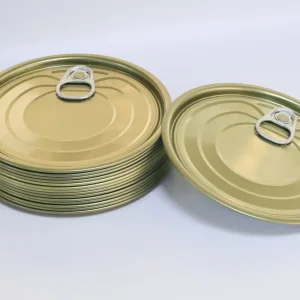
Partner with a trusted, certified leader in aluminum beverage cans, easy-open lids, and custom coil manufacturing. Fast global shipping, full technical seam-matching support, and competitive mill-direct pricing.
Request Technical Specification & Quote