Engineered to meet rigorous double-seam standards, internal pressure thresholds up to 6.2 bar, and global food-contact safety standards (FDA, EU 1935/2004).
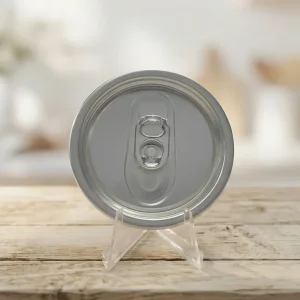
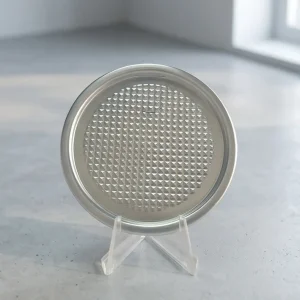
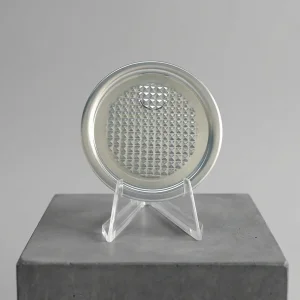
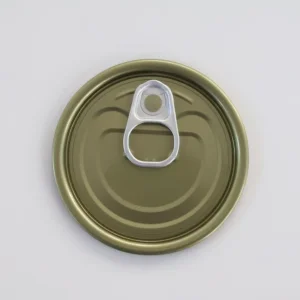

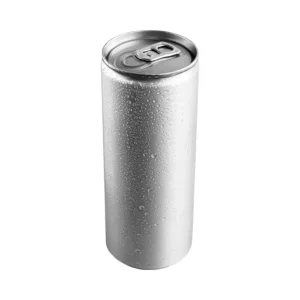
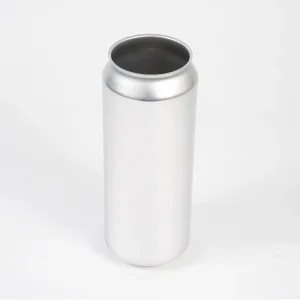
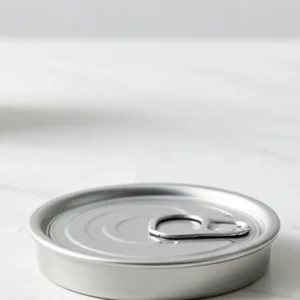
The global beer and beverage landscape is undergoing a structural paradigm shift. Driven by aggressive corporate ESG imperatives, cold-chain transport efficiencies, and evolving consumer preferences, industrial breweries are shifting rapidly from traditional glass bottling to advanced two-piece aluminum cans and high-integrity easy-open ends.
Modern high-speed filling lines running at speeds of 1,200 to 2,400 cans per minute (CPM) demand flawless dimensional accuracy, micro-inch coating uniformity, and rigorous metallurgy. A deviation of mere micrometers in end-curl radius or countersink depth can result in catastrophic double-seam failure, line stoppages, product spoilage, and substantial financial losses.
To support global brand owners, contract packagers (co-packers), and regional craft breweries, specialized beer container factories have integrated advanced metallurgy and automated quality assurance into their core production architectures. Below is an engineering overview of macro beverage market applications and their corresponding technical specifications:
| Beverage Sector | Primary Format | Alloy & Temper Specification | Internal Lacquer Chemistry | Key Performance Parameter |
|---|---|---|---|---|
| Craft & Industrial Lager / Ale | 330ml / 355ml / 500ml Standard | 3104-H19 Body / 5182-H48 End | Modified Acrylic / Polyester (BPA-NI) | Pasteurization stability (60-65°C, 30 min) |
| Hard Seltzer & RTD Cocktails | 330ml / 355ml Sleek & Slim | 3104-H19 High-Forming Alloy | Organosol / Epoxy-Free Dual Coat | High acid & alcohol barrier integrity |
| Non-Alcoholic & Stout Brews | 440ml / 500ml Nitro-Widget Cans | 3104-H19 Enhanced Column Strain | Water-Based Food-Grade Polymeric | Dissolved N2 pressure balance & low CO2 load |
| Powdered & Nutritional Drinks | 200# to 502# Easy-Open Ends | 8011 / 5052 Lacquered Foil & Sheet | Anti-Corrosive Food Coating | Airtight seal, non-magnetic option, zero oxygen ingress |
Modern metal packaging factories in China have evolved from high-volume manufacturers into technology-driven centers of excellence. Utilizing fully automated Draw & Wall Ironing (DWI) systems and computer-vision quality monitoring, these facilities deliver exceptional product consistency at competitive global cost structures.
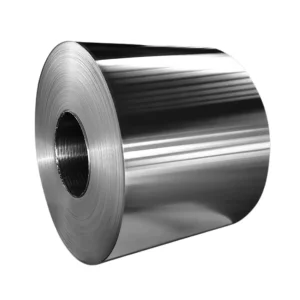
DWI technology allows precise wall-ironing of 3104-H19 aluminum coils. Wall thickness is reduced to less than 0.09mm at the mid-body while preserving structural dome strength at the base, optimizing weight without compromising burst pressure integrity.
To meet stringent international food safety directives (including EU Regulation 1935/2004 and FDA 21 CFR 175.300), next-generation internal spray systems apply non-intent bisphenol-A (BPA-NI) liquid liners with pinhole-free coverage down to 0.005mm thickness.
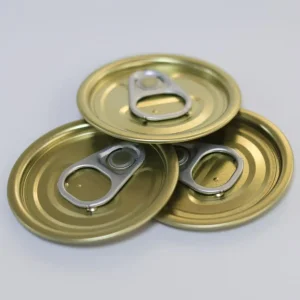
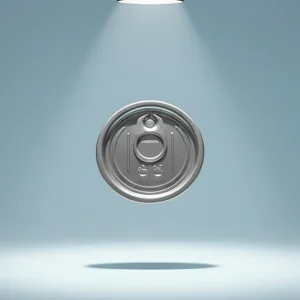
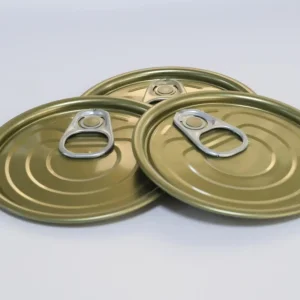
Easy-open ends (200#, 202#, 206#, 211#, 401#) are pressed on multi-lane high-speed shell systems. Integrated optical camera vision systems scan 100% of finished ends for micro-cracks, tab alignment, and scoring depth uniformity.
China's vertical integration in aluminum processing—from raw bauxite refining to 3104/5182 coil rolling and high-speed container conversion—provides global buyers with unrivaled supply chain stability. Even during global transport disruptions, mature export hubs near Shanghai and Ningbo ensure short inland lead times and secure vessel bookings.
The metal packaging sector is undergoing continuous innovation driven by ultra-lightweighting, digital printing customization, and decarbonized metallurgy. Leading beer container factories are aligning their research and development roadmaps with international sustainability goals.
Widespread adoption of CDL (Contoured Deck Lid) geometry reduces end weight by 8–10% compared to legacy B64 ends while maintaining buckle resistance above 6.0 bar. Wall gauge thinning on standard 330ml/500ml bodies targets an additional 3–5% metal reduction without sacrificing axial load strength during pallet stacking.
Replacing traditional dry-offset printing plates with high-resolution digital ink-jet systems enables cost-effective short-run regional artwork, variable data printing, and unique unit-level matrix codes. Brands can implement anti-counterfeiting tracking and interactive consumer digital experiences on every single can.
Transitioning primary smelters to renewable hydro/solar power sources dramatically reduces Scope 3 embodied carbon. Factories are partnering with global recycling operators to achieve a 90%+ recycled aluminum content ratio, reducing melt-energy requirements by up to 95% compared to primary alloy production.
Sourcing metal packaging at international scale requires strict evaluation beyond per-unit pricing. Procurement directors must assess Total Cost of Ownership (TCO), seamer machinery compatibility, ocean logistics packaging density, and regulatory compliance documentation.
Empty aluminum beverage cans are high-volume, low-weight cargo. Premium factories employ automated bulk palletizers utilizing high-density kraft slip sheets, heavy-duty wooden top frames, and multi-layer stretch hooding. Optimized pallet dimensions maximize 40ft High Cube container utilization, substantially lowering per-thousand-unit ocean freight charges.
Different seamer setups (e.g., Ferrum, Angelus, Pneumatic Scale) require precise end curl height, countersink radius, and chuck specifications. Qualified suppliers provide full engineering support, including technical drawings, sample lots for seam teardown inspection, and on-site or remote field technician assistance during initial trial fills.
To ensure smooth customs clearance and compliance with regional food safety regimes, high-quality manufacturing facilities maintain a complete suite of international quality standards and offer comprehensive export documentation packages.
Certified Quality Management Systems and Food Safety Systems certification guarantee end-to-end operational control from raw coil slitting to final pallet strapping.
Comprehensive analytical lab reports confirming compliance with FDA 21 CFR 175.300, EU Regulation 1935/2004, and China National Standard GB 4806.10 for heavy metal and overall migration limits.
Seaworthy export packaging featuring desiccant bags inside PE liner sleeves, ocean transit humidity barriers, and heavy-duty strapping to eliminate transit oxidation and scuffing.
Dedicated technical customer support staff capable of performing double-seam teardown evaluation, optical seam dimensioning, and troubleshooting filling line seamer setup parameters.
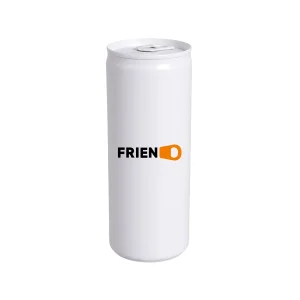
Including specialized 5052 aluminum coils, custom printed standard/sleek cans, tinplate lids, and functional closure systems engineered for severe storage environments.

Answers to critical questions asked by procurement managers, packaging engineers, and brewery operations directors during supplier auditing and onboarding.
