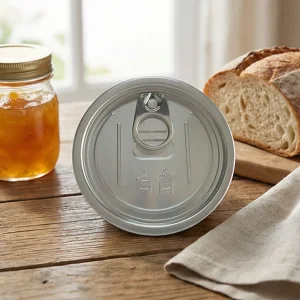
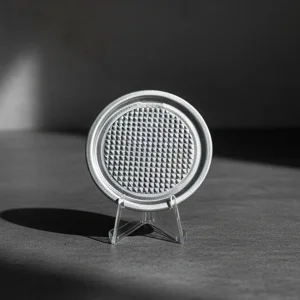
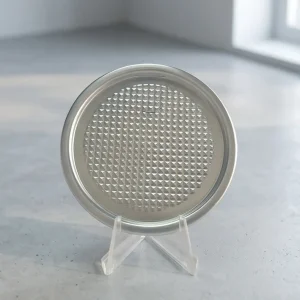
Engineered for high-pressure carbonated soft drinks, sterile nutrition powders, craft brewing, and retorted canned foods. Tested to withstand up to 6.2 bar internal pressure.
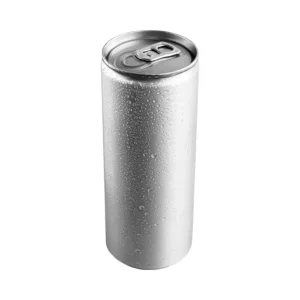
An authoritative metallurgical analysis of structural down-gauging, advanced barrier lacquers, high-speed press lines, and the global transition toward zero-carbon packaging solutions.
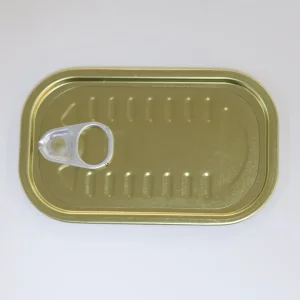
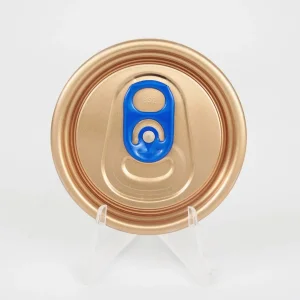
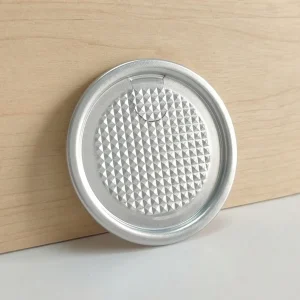
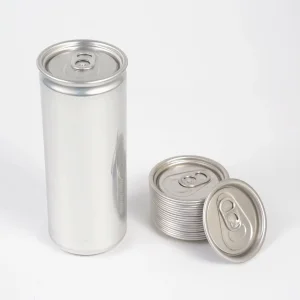
The global metal packaging sector is experiencing a paradigm shift driven by stringent carbon neutrality mandates, volatile supply chains, and evolving food safety regulations. As global beverage brands, dairy processors, and pharmaceutical manufacturers transition away from single-use plastics, searching for a reliable Aluminium Caps s Supplier has become a strategic procurement imperative. Modern aluminium closures—encompassing Stay-On Tabs (SOT), Ring Pull Tabs (RPT), Full-Aperture Easy-Open Ends (EOE), screw caps, and specialized powder lids—are no longer commodity items; they represent highly engineered metallurgical systems designed to withstand extreme thermal, chemical, and physical stresses.
Resource optimization in metal manufacturing is dominated by down-gauging—reducing coil thickness without compromising axial crush strength, internal pressure resistance, or scoreline integrity. Historically, easy-open lids utilized shell stock with nominal thicknesses exceeding 0.250 mm. Today, advanced cold-rolling processes and precise alloy tempering (such as AA5182-H48 for shell stock and AA5052-H32 for rivet tab formation) allow suppliers to achieve high-performance lids at gauges down to 0.208 mm - 0.216 mm.
This reduction yields immense environmental and economic gains: for every 0.01 mm reduced across a production run of 1 billion units, approximately 850 metric tons of primary aluminium are conserved, directly reducing freight carbon intensity and raw material expenditures. However, thinner metal substrates demand tighter manufacturing tolerances. A variation of merely ±0.002 mm in score depth can result in either premature bursting during carbonated filling or excessive consumer pull-force failure during opening.
In response to legislative mandates from the European Commission (EFSA) and the U.S. Food and Drug Administration (FDA), global buyers are systematically purging epoxy-phenolic coatings containing Bisphenol-A (BPA) from their supply chains. The transition to BPA-NI (Bisphenol A Non-Intent) internal lacquers—primarily based on modified acrylics, polyester resins, or organosols—presents unique chemical engineering challenges.
Unlike legacy epoxy coatings, BPA-NI formulas must maintain high flexibility to survive violent stamping and scoring without micro-cracking, while offering identical chemical resistance against low-pH liquids (craft beers, carbonated soft drinks, energy beverages) and fatty food solids. Qualified aluminium lid suppliers must demonstrate that their internal coating systems pass rigorous Enamel Rater testing (< 2.0 mA at 6.3V) even after exposure to 121°C retort sterilization for 30 minutes.
Key metrics global procurement officers and quality assurance managers must analyze when auditing B2B metal closure factories and coil processing facilities.
Sourcing metal packaging components requires evaluating complex engineering metrics. In high-speed filling lines running at speeds between 1,200 and 2,000 cans per minute (cpm), minor dimensional defects in end curls or tab rivets can cause seamer jams, shutdown downtime, and costly batch rejections. B2B buyers must move beyond unit price per thousand and conduct rigorous total cost of ownership (TCO) assessments.
The seam connecting an aluminium cap or end to a drawn can body is created via a two-operation mechanical rolling process. Achieving a hermetic barrier requires exact dimensional harmony between the end curl radius, countersink depth, body hook, and cover hook. Top-tier suppliers provide standardized profile geometry (e.g., CDL, B64, SuperEnd formats) and pre-shipment seam teardown analysis reports.
| Closure Format | Alloy & Temper | Nominal Thickness | Coating System | Max Pressure / Temp | Primary Industrial Use |
|---|---|---|---|---|---|
| 202# SOT (Stay-On Tab) | AA5182-H48 | 0.216 mm ± 0.002 | BPA-NI Organosol / Acrylic | 6.2 bar (90 PSI) / 90°C | Carbonated Soft Drinks, Beer, Energy Drinks |
| 202# RPT (Resealable Pull Tab) | AA5182 / Polymer Tab | 0.224 mm ± 0.003 | Food-Grade Polyester | 5.5 bar (80 PSI) / 85°C | Premium RTD Coffees, Functional Beverages |
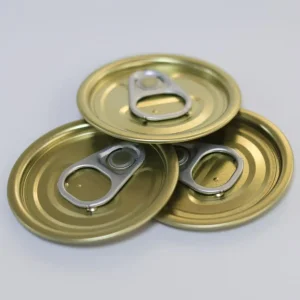
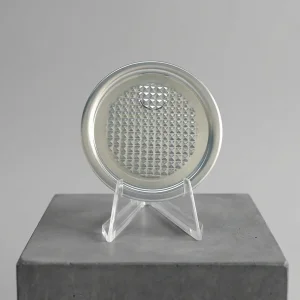
| 300# / 401# EOE Powder Lid | AA8011-H14 / Tinplate | 0.230 mm ± 0.003 | Epoxy-Free Gold / Clear Coating | Airtight Vacuum / Ambient | Infant Formula, Protein Powders, Dry Spices |
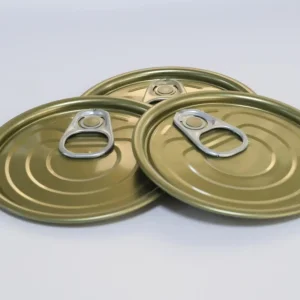
| 307# Full-Aperture Food End | AA5182 / TFS Steel | 0.245 mm ± 0.004 | Retort-Grade Vinyl-Free Liner | 2.5 bar / 121°C Retort (30 min) | Canned Vegetables, Meats, Ready Meals |
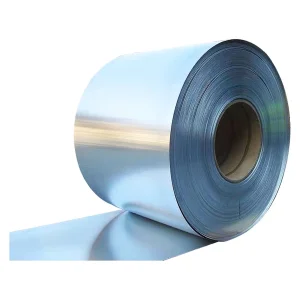
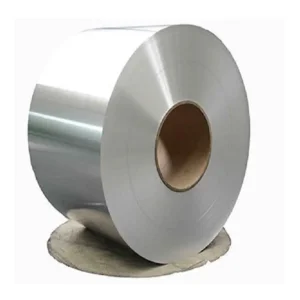
| Aluminium Cap Coil Stock | AA3104 / AA8011 | 0.180 mm - 0.300 mm | Lacquered 1 or 2 Sides | Customisable per End Line | Stamping Feed for Cap Manufacturers |
How high-speed automated stamping, automated optical inspection (AOI), and laser scoring eliminate micro-defect rates in mass production environments.
Producing defect-free aluminium caps at volumes exceeding tens of millions of units monthly demands high-tier factory infrastructure. Manufacturing begins with high-precision coil slitting and lacquering. Cold-rolled aluminium coils are passed through continuous coating lines where uniform film thickness (typically 6-12 g/m² dry coating weight) is thermally cured via infrared ovens.
Shell stamping occurs on multi-lane high-speed presses (such as Stolle or Minster systems) operating at speeds exceeding 3,000 strokes per minute. The conversion line performs critical mechanical operations sequentially:
Human visual inspection is incapable of detecting sub-millimeter defects on high-speed lines. Leading facilities integrate inline high-resolution machine vision camera arrays. High-frequency optical sensors verify tab orientation, rivet integrity, sealant presence, and surface scratch presence in real time. Simultaneously, high-pressure air-pinhole detectors reject ends with scoreline micro-fissures, maintaining scrap rates below 5 parts per million (PPM).
International certification frameworks, humidity-controlled trans-oceanic packaging, and vendor-managed inventory strategies.
Exporting metal packaging requires adherence to multi-jurisdictional food contact regulations. Reliable suppliers provide detailed technical dossiers, including Heavy Metal Concentration compliance (CONEG / EU Directive 94/62/EC), Specific Migration Limits (SML) testing, and certificates of conformity for target destination markets.
Products must comply with global food safety standards:
Aluminium lids and caps are susceptible to oxidation staining and compound degradation if exposed to elevated moisture during ocean transit. Premium suppliers package ends in corrugated fibre drums or heavy-duty wooden pallet sleeves lined with heat-sealed polyethylene bags containing desiccant packs. Pallets feature plastic top covers and stretch-hood wrap to ensure structural stability during multi-modal freight transport.
Forward-looking R&D directions: hydro-powered low-carbon aluminium, digital track-and-trace lasers, and smart temp indicator inks.
Direct answers to technical questions raised by packaging engineers and procurement directors.
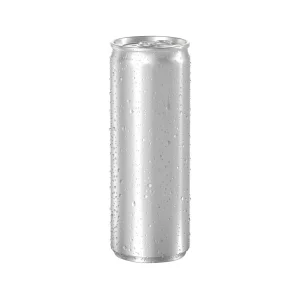
Explore our full line of tinplate lids, high-temperature sterilizable powder ends, slim/sleek can bodies, and lacquered aluminium coil stocks.