Explore our certified product portfolio engineered for high-speed automated canning lines, retort sterilization, and ultra-hermetic preservation. Each SKU represents field-tested stability across global filling standards.
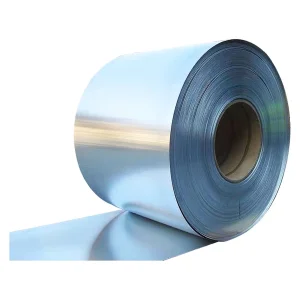
High-ductility 8011 alloy coil stock, custom-lacquered for deep-draw caps, closure lids, and high-barrier foil liners.
View Details & Specs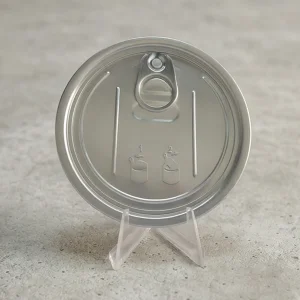
Space-saving, low-profile design engineered for dry powder cans, canned foods, and retorable rigid container sealing.
View Details & Specs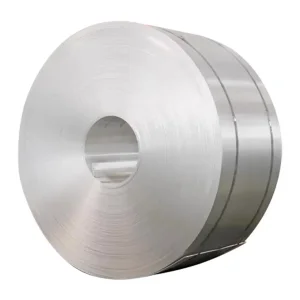
Premium H19 temper coil stock featuring uniform grain structure, minimal earing, and superior deep-drawing workability.
View Details & Specs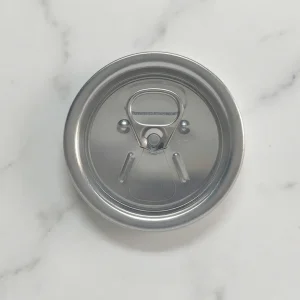
Ø50mm ring-pull tab ends designed for sleek & slim beverage cans, offering high pressure resistance and smooth opening.
View Details & Specs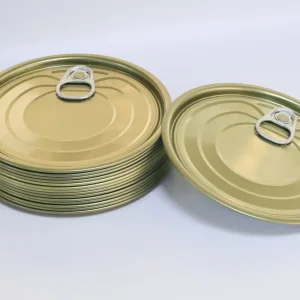
Ø99mm precision-stamped tinplate ends with food-safe internal lacquer for hermetic sealing on composite or tin cans.
View Details & Specs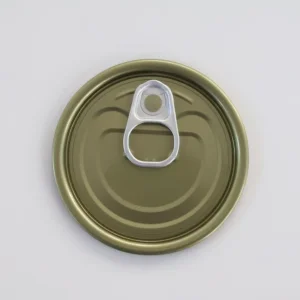
High-integrity compound lined closure ends providing air-tight preservation for nutritional powders and liquids.
View Details & Specs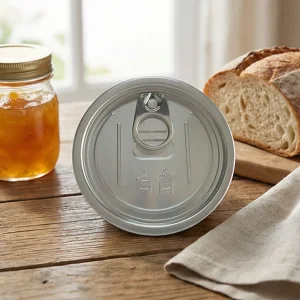
Retortable, heat-resistant aluminum closures engineered specifically for clinical powders and pharmaceutical jars.
View Details & Specs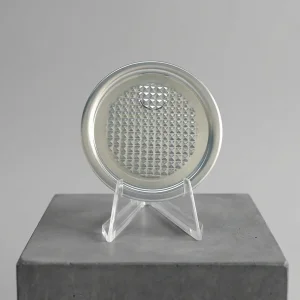
Eco-friendly, lightweight 211# easy-open lids with smooth safety scores, perfect for gourmet spices and milk powder.
View Details & SpecsThe global metal packaging market is undergoing a seismic structural transition. Driven by strict regulatory mandates such as the European Union Packaging and Packaging Waste Regulation (PPWR) and aggressive global Extended Producer Responsibility (EPR) frameworks, consumer packaged goods (CPG) conglomerates are rapidly replacing single-use plastics and high-carbon rigid glass with infinitely recyclable rigid aluminum containers.
Aluminum boasts an inherent economic advantage: over 75% of all aluminum ever produced in human history remains in active circular use today. The closed-loop recycling process requires up to 95% less energy than primary smelting from bauxite ore. Consequently, high-speed Alu Containers Factories have evolved from simple commodity stamping shops into high-tech metallurgical hubs operating under stringent micro-tolerance engineering.
Modern commercial buyers—ranging from multi-national beverage fillers and craft breweries to pharmaceutical processors—no longer evaluate suppliers purely on unit cost. The modern procurement framework prioritizes operational metrics: line-speed compatibility (handling up to 3,000 cans/minute), low axial load collapse rates, double-seam tolerance windows, and absolute BPA-NI (Bisphenol A Non-Intent) internal lining integrity. As a premier Chinese manufacturer headquartered in Shanghai, our production network integrates advanced coil slitting, deep-drawing, and high-precision shell stamping to serve buyers across more than 40 destination countries.
Achieving superior yield efficiency on automated filling lines requires an intimate understanding of aluminum alloy physics, cold-rolling tempers, and organic barrier chemistry. The structural performance of an aluminum container depends on the exact chemical composition of the mill stock and the mechanics of the DWI (Drawn and Wall Ironed) process.
| Alloy & Temper | Primary Application | Tensile Strength (MPa) | Yield Strength (MPa) | Key Metallurgical Characteristic |
|---|---|---|---|---|
| 3104-H19 | DWI Two-Piece Can Bodies | 270 - 310 | 250 - 290 | High manganese content for extreme wall-ironing drawability and low earing percentage (<1.2%). |
| 5182-H48 | Easy-Open Shell Stock (SOT/RPT) | 360 - 400 | 310 - 350 | Magnesium-rich alloy providing exceptional dome buckle strength under high carbonation pressure. |
| 5052-H32 / H38 | Easy-Open Ring-Pull Tabs | 210 - 260 | 130 - 180 | High fracture toughness preventing tab tear-off before full score-line rivet displacement. |
| 8011-O / H14 | Deep-Draw Lids & Pharma Closures | 140 - 180 | 80 - 130 | Superior ductility and elongation properties, allowing deep embossing and clean tear scores. |
Through multi-stage ironing dies, the sidewall of a 3104-H19 blank is reduced from an initial sheet gauge of ~0.268mm down to a mid-wall gauge of ~0.088mm, while maintaining a thicker top neck region (~0.160mm). This optimizes weight while retaining column load strength (>850 N).
To isolate reactive, acidic beverages (pH < 3.0) or high-salt foods from the metal substrate, state-of-the-art acrylic, modified polyester, or polyorganosol coatings are spray-applied internally. Cured at 200°C+, these linings guarantee zero migration complying with FDA 21 CFR 175.300 and EU 1935/2004.
The air-tight joint between container flange and end curl relies on strict double-seam dimensions: Cover Hook Length (CH), Body Hook Length (BH), Overlap Percentage (>80%), and Seam Gap (<0.08mm). Optical seam monitors ensure zero micro-leakage under internal pressure.
Different end-use industries require specialized container geometry, lacquer weights, and pressure resistance thresholds. Our factory engineers configure production tooling based on the functional profile of the target medium:
Formats: 200ml, 250ml, 330ml, 355ml (12oz), 500ml Standard/Sleek.
Engineering Focus: Paired with 202 SOT (Stay-On Tab) or 200 RPT ends. Cans undergo internal pressure resistance testing up to 6.2 bar to endure thermal pasteurization cycles (up to 65°C for beer) without dome buckling or flange distortion.
Formats: 300#, 401#, 502# Large-Diameter Easy-Open Ends.
Engineering Focus: Oxygen-barrier optimization (<0.5% residual oxygen after MAP nitrogen flushing). Anti-static internal coatings prevent fine particles from adhering to the score line, eliminating seal contamination risks.
Formats: 211#, 307#, 401# Tinplate & Aluminum Retort Closures.
Engineering Focus: Formulated with organosol or heavy-duty epoxy-phenolic coatings capable of withstanding 121°C ultra-high-temperature retort cooking for 45+ minutes under high humidity without blushing or metal exposure.
Formats: 305# High-Temperature Sterilizable Aluminum Lids.
Engineering Focus: ISO Class 7 cleanroom packaging options for sterile powder fill lines. Tamper-evident pull tabs provide instant consumer verification while maintaining moisture-proof barrier integrity.
Formats: Transparent-Top 502# Lids & Odor-Proof Closures.
Engineering Focus: Incorporates crystal-clear food-grade composite polymer windows, allowing shelf visibility while providing 100% barrier protection against volatile essential oil aroma loss.
Formats: Specialized Conductive & Anti-Static Aluminum Ends.
Engineering Focus: Engineered to dissipate static electrical charges during pneumatic high-speed powder filling, preventing hazardous particulate ignition and ensuring clean tear score activation.
In high-speed automated filling plants, a single defective container rim or split score line can trigger costly line shutdowns, product spoilage, or brand reputation damage. As an authoritative OEM/ODM supplier, our factory infrastructure operates under ISO 9001:2015 and FSSC 22000 food safety management systems, backed by rigorous in-line statistical process control (SPC).
Every single container body and lid passes through 360-degree high-resolution camera modules operating at up to 3,000 units per minute. Optical algorithms check flange width, rim roundness, scratch presence, score line depth, and tab alignment, instantly ejecting sub-millimeter defects.
Using an electrolyte solution (1% NaCl) under a constant electrical voltage (6.3V), our QA lab tests internal lacquer continuity. Unbroken, pinhole-free coatings read below 3.0 mA electrical current conductivity, guaranteeing complete metal isolation from aggressive liquids.
Easy-open ends undergo strict force calibration testing. Digital force gauges measure Pop Force (initial tab lifting force, typically 12 - 22 N) and Tear Force (full score line propagation force, typically 25 - 45 N) to ensure effortless consumer opening without premature tab detachment.
All raw materials and lacquers supplied by Shanghai Friend Metals Technology Co., Ltd. strictly comply with FDA 21 CFR 175.300 (U.S. Food and Drug Administration), EU Regulation 1935/2004, China GB 4806.10, and European REACH / RoHS standards. Full heavy metal content test reports (lead, cadmium, mercury, hexavalent chromium) and overall migration test documentation accompany every exported shipment.
To maintain competitive dominance in the global packaging sector, our R&D engineering divisions are actively pioneering next-generation packaging solutions focused on decarbonization, smart tracking, and radical weight reduction:
By utilizing high-stiffness modified alloys and optimizing bottom dome stress-vector distribution, next-gen 330ml beverage can bodies will achieve wall thicknesses under 0.082mm. This reduces total aluminum weight per unit by up to 6.5%, significantly lowering freight emissions without sacrificing column strength.
Partnering with primary aluminum smelters using renewable hydropower and inert anode technologies, our factories are scaling up the integration of high-percentage Post-Consumer Recycled (PCR) scrap alloy into 3104 and 5182 coil production, drastically cutting the Scope 3 carbon footprint for client brands.
Incorporating high-precision laser-etched 2D DataMatrix and QR codes beneath easy-open tabs and onto can bottoms. This enables item-level supply chain transparency, anti-counterfeiting verification for infant nutrition brands, and dynamic direct-to-consumer digital engagement platforms.
Explore additional high-demand packaging SKUs, specialty ends, anti-static closures, and tinplate products designed for international enterprise distributors and filling facilities.
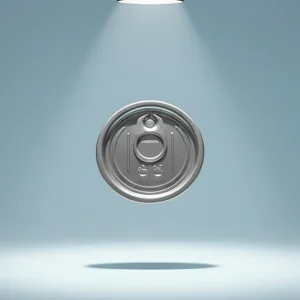
Hermetically sealed, high-barrier easy-open closures engineered to lock in volatile aromas for herbs, coffee, and gourmet teas.
View Details & Specs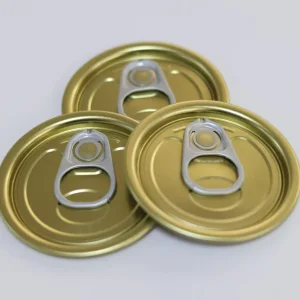
Ø52mm precision tinplate lids offering superior seal integrity, salt-spray corrosion resistance, and food-grade safety compliance.
View Details & Specs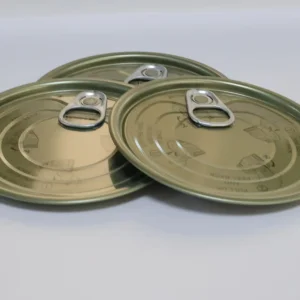
Durable, leak-proof 315# closure ends with customized lacquer thickness for heavy-duty food and dry ingredient storage.
View Details & Specs
High-grade compound-lined 211# ends providing absolute moisture barrier protection for long-shelf-life goods.
View Details & Specs
Infinitely recyclable, highly reliable easy-open ends tailored for infant formula, protein powders, and functional food packaging.
View Details & Specs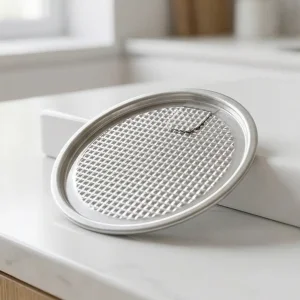
Precision-scored 307# closures engineered for clean popping, effortless ring pulling, and robust rim double-seaming.
View Details & Specs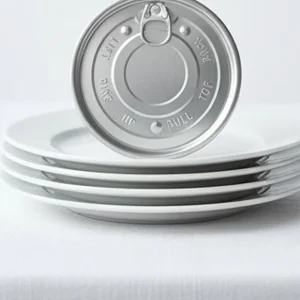
Ø127mm large-diameter lids featuring high-clarity window panels, ideal for luxury powders, coffee, and specialty retail cans.
View Details & Specs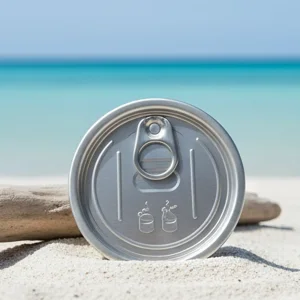
Specially coated anti-static closures preventing fine particulate attraction during filling, ensuring zero contamination.
View Details & SpecsExpert responses compiled by our packaging engineering team addressing technical specifications, logistics protection, compliance, and filling line calibration.
