Explore our industry-leading aluminum cans, easy-open ends, and high-barrier metal closure solutions produced under strict ISO9001 and FSSC22000 quality systems.
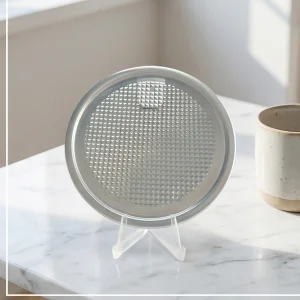
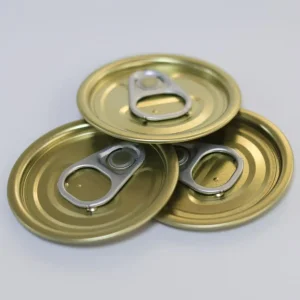
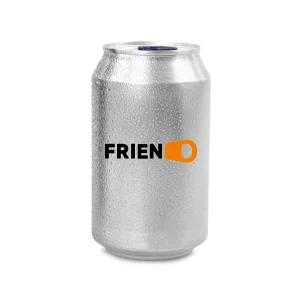
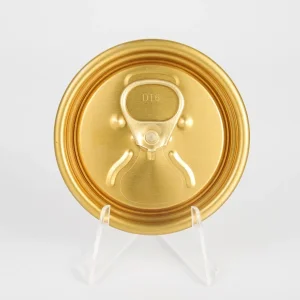
An authoritative guide to material selection, physical metallurgy, volumetric calibration, and high-speed double-seam integrity for modern high-speed filling lines.
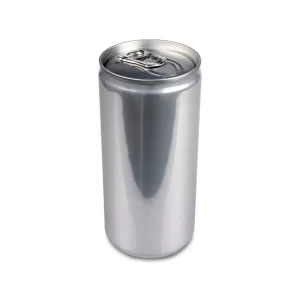
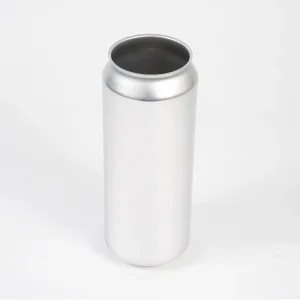
In the global beverage and industrial packaging landscape, the 450 ml aluminum can (frequently designated as the European Pint or metric standard volume) occupies a critical strategic position. Sitting precisely between standard 330 ml/355 ml single-serve containers and large-format 500 ml/568 ml cans, the 450 ml format offers brands an ideal profile for craft beer, functional energy drinks, ready-to-drink (RTD) spirit cocktails, cold brew coffees, and specialized powder applications. However, engineering a 450 ml can that withstands high internal carbonation pressures, aggressive thermal sterilization, and global ocean freight requires uncompromising material science and sub-micron manufacturing tolerances.
The performance of a 450 ml two-piece Drawn and Wall Ironed (DWI) aluminum can relies heavily on the cold-rolled alloy composition. Manufacturers utilize specific aluminum-manganese-magnesium alloys to achieve an optimal balance between ductility, tensile strength, and weight reduction:
During the multi-stage wall ironing process, the mid-wall gauge of a 450 ml can is reduced to approximately 0.095 mm to 0.105 mm, while maintaining a thicker top neck profile (approx. 0.150 mm) to withstand double-seaming loads. To guarantee a minimum shelf life of 12 to 24 months, internal protective coatings must achieve complete chemical isolation without micro-porosity.
| Coating System Type | Dry Film Weight (g/m²) | Target Products | Compliance Standards |
|---|---|---|---|
| BPA-NI (Non-Intent) Acrylic Dispersion | 5.5 – 7.0 g/m² | Craft Beer, CSD, Mineral Water | FDA 21 CFR 175.300 / EU 1935/2004 |
| Polyester / Modified Epoxy | 6.0 – 8.5 g/m² | High-Acid Juices, Energy Drinks (pH < 3.0) | GB 4806.10-2016 / REACH Compliant |
| Organosol Food-Grade Barrier | 8.0 – 11.0 g/m² | Milk Powders, Nutritional Formulas | Global Food Safety Initiative (GFSI) |
Discover how Chinese manufacturing excellence, integrated coil supply chains, and advanced engineering capabilities deliver unmatched cost-efficiency and technical quality.
Direct supply agreements with Tier-1 aluminum smelters for 3104, 5182, and 8011 coil stock ensure steady material availability, tight gauge tolerances (±0.002 mm), and resistance to raw material price volatility.
Equipped with fully automated, high-speed cupping presses, body makers, and Minister conversion lines. Line speeds exceeding 2,200 CPM ensure high output capacity for large global contract orders.
Integrated high-resolution vision systems inspect every single can and easy-open end for pinholes, flange dents, score line scratches, and internal lacquer defects with sub-millimeter precision.
Advanced dry-offset printing technology offering high-definition reproduction, tactile varnishes, matte/gloss contrast finishes, temperature-sensitive thermochromic inks, and promotional laser-etched codes.
Proximity to major shipping hubs like Shanghai and Ningbo enables rapid ocean container clearance, optimized pallet loading density, moisture-barrier stretch wrap, and reduced inland transportation lead times.
Every shipment comes with complete batch quality documentation, mill certificates, overall migration test reports (FDA, EU, LFGB), and seamer compatibility teardown sheets.
Tailored packaging configurations for beverage bottlers, dairy processors, functional nutrition brands, and technical aerosol fillers.
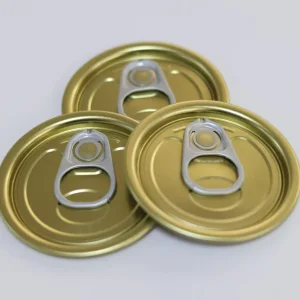
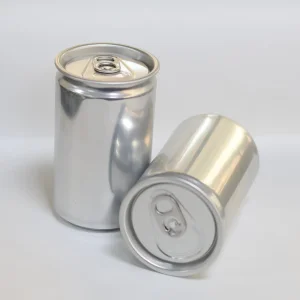
Carbonated beverages require internal gas retention and resistance to internal pressure spikes caused by temperature changes during transport. Our 450 ml aluminum cans paired with 202# Stay-On Tab (SOT) easy-open lids feature a reinforced dome bottom designed to prevent buckling under pressures up to 6.2 bar. The total light barrier provided by high-purity aluminum eliminates photo-oxidation (skunking) in hop-forward craft beers, preserving freshness far better than traditional amber glass bottles.
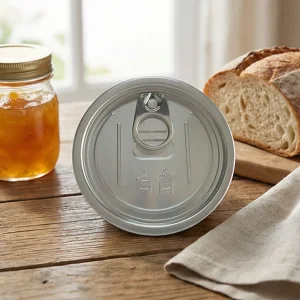
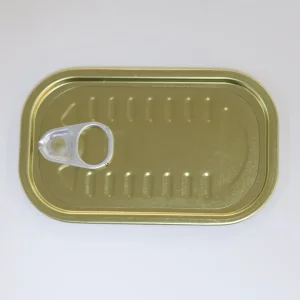
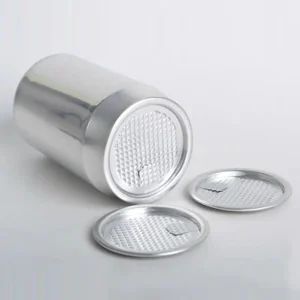
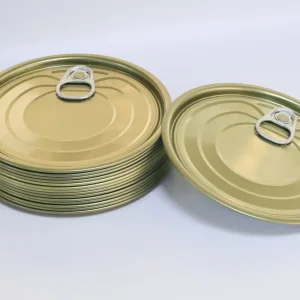
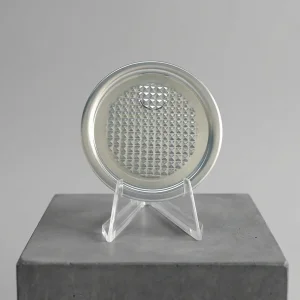
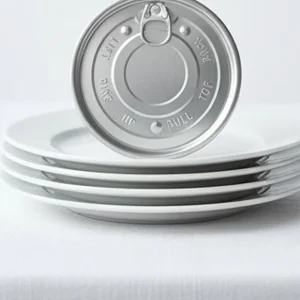
In the powder packaging sector, oxygen and moisture ingress lead to fat oxidation and product degradation. Using 450 ml metal cans or larger tinplate containers fitted with 401# (99mm) or 502# (127mm) Easy-Open Aluminum Powder Lids creates an absolute hermetic barrier. Nitrogen gas flushing reduces residual internal oxygen levels to below 0.5%, preserving active nutrients, vitamins, and milk fats over a 36-month shelf life. Transparent-top window options also allow consumers to verify powder quality prior to purchase.
Non-carbonated beverages like cold brew coffee and functional botanical teas often rely on liquid nitrogen dosing to create internal headspace pressure for structural rigidity. Our precision necking geometry (202 neck standard) ensures leak-free double seaming even under rapid liquid nitrogen expansion. For nitrogenated beverages requiring a creamy head, internal widget technology is fully compatible with our standard 450 ml DWI can geometry.
Nutraceuticals, protein drinks, and medical enteral formulas require post-filling retort sterilization at temperatures reaching 121°C (250°F) for 30 minutes. Our high-temperature sterilizable 305# and 307# aluminum ends use specialized cross-linked organosol inner lacquers that resist chemical breakdown, color changing, or adhesion loss during retort cooling cycles.
Navigating the shift toward circular packaging economics, lightweighting targets, and strategic vendor audits.
Global regulatory mandates—such as the European Union’s Packaging and Packaging Waste Regulation (PPWR) and expanded Producer Responsibility (EPR) laws across North America—are forcing brand owners to transition away from PET plastic containers. Aluminum boasts a closed-loop recycling efficiency rate exceeding 75% in major markets, with recycled aluminum requiring 95% less energy to process than primary metal. Transitioning to a 450 ml aluminum can format significantly lowers a brand's Scope 3 greenhouse gas emissions profile.
Driven by rising freight costs and sustainability goals, modern can production focuses on reducing metal mass while preserving structural strength. By modifying the neck profile (transitioning from 206 down to 202 or 200 neck diameters) and optimizing bottom dome stress distribution, modern 450 ml can body weights have been reduced by over 12% over the past decade, significantly decreasing logistics costs per unit transported.
When conducting a supplier audit for 450 ml can manufacturers and easy-open end suppliers, corporate procurement teams should evaluate the following critical technical parameters:
| Audit Dimension | Target Technical Specification | Risk Mitigation Impact |
|---|---|---|
| Double Seam Integrity | Overlap ≥ 1.10 mm, Tightness ≥ 85%, Countersink Depth ±0.10 mm | Eliminates micro-leakage and microbial contamination on filling lines. |
| Enamel Rater Porosity | Current reading < 2.0 mA under 6.3V DC test voltage | Prevents substrate corrosion and off-taste migration into the beverage. |
| Axial Column Load | Compressive strength ≥ 900 N minimum | Prevents bottom can crushing during multi-tier warehouse pallet stacking. |
| Chemical Migration | Specific Migration Limit (SML) non-detectable for BPA, BADGE, and phthalates | Ensures frictionless customs entry into EU, US, and Japanese consumer markets. |
Expand your product range with our extensive inventory of high-barrier aluminum easy-open ends, sleek cans, and pre-lacquered aluminum coils.
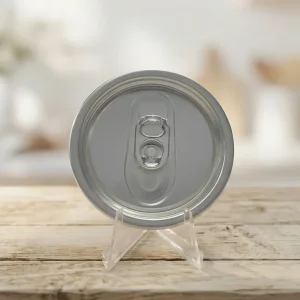
Expert answers regarding technical compatibility, minimum order quantities, compliance certification, and international logistics.
