China Global Slim Can Beverages Service & Suppliers

An Executive Engineering Whitepaper & Global Procurement Roadmap for Next-Generation Aluminium Slim Can Packaging Systems, Precision Tooling, and Supply Chain Architecture

Primary Packaging Solutions & Precision Metal Components

Featured high-speed aluminium coil, sleek & slim can bodies, and specialized food-grade easy-open ends from top-tier Chinese manufacturing hubs.

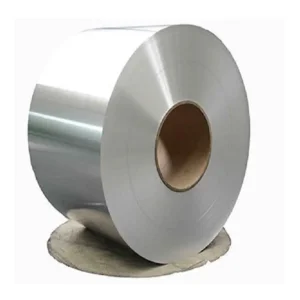
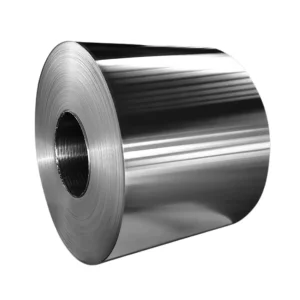
5052 Aluminum Coils
High-Quality High-Quality 5052# Aluminum Coils from China Suppliers
Explore Specifications
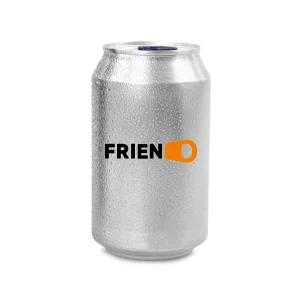
330ml Aluminum Cans
China Top-Quality 330ml Aluminum Cans Eco-Friendly Packaging
Explore Specifications
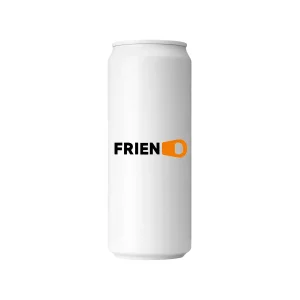
473ml Aluminum Cans
High-Grade 473ml Aluminum Cans Eco-Friendly Packaging Factory Choice
Explore Specifications
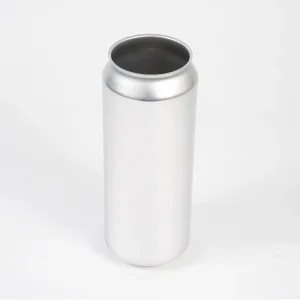
500ml Aluminum Cans
China Premium Standard 500ml Aluminum Cans Packaging Solution
Explore Specifications
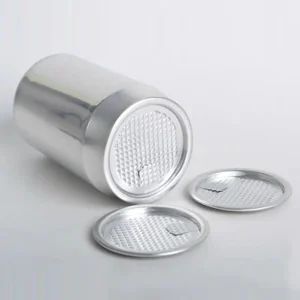
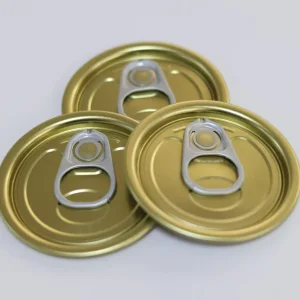
Easy Open Lids Powders
China Suppliers Aluminum Easy-Open Lids for Powders Premium Quality
Explore Specifications
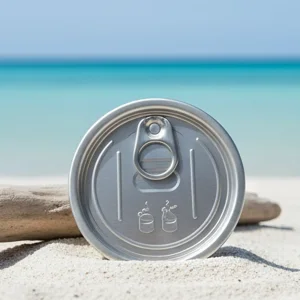
Secure Lids Powder Products
China Premium Aluminum Easy-Open Lids Secure & Eco-Friendly
Explore Specifications
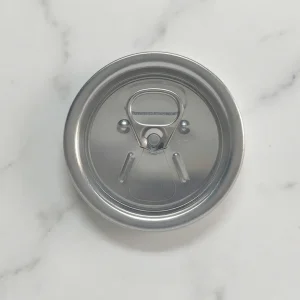
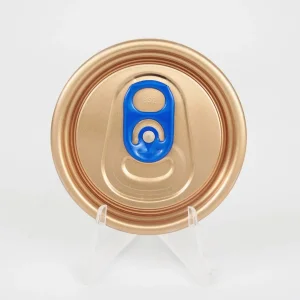
202 Easy Open Lids
High-Quality Premium 202# Aluminum Easy-Open Lids Protection
Explore Specifications
5182 Aluminum Coils
High-Quality Premium 5182# Aluminum Coils Top Supplier Factory
Explore Specifications

1. Global Procurement Dynamics & The Rise of Slim Can Packaging

Analyzing modern consumer shifts, functional beverage boom, and technical requirements across global contract filling operations.

The global beverage packaging industry has undergone a seismic structural evolution over the past decade. Among all rigid container formats, Aluminium Slim Cans (specifically 180ml, 200ml, 250ml, and 310ml profiles) have registered the fastest compound annual growth rate (CAGR), significantly outpacing traditional 330ml standard cans, PET bottles, and glass containers. This acceleration is driven by converging macroeconomic forces: consumer demand for portion control, premiumization of functional beverages, stringent municipal plastic bans, and the superior logistics economics of infinitely recyclable metallic substrate.

Global enterprise buyers—ranging from multinational beverage conglomerates to agile direct-to-consumer (DTC) wellness brands—are re-evaluating their primary packaging procurement strategies. Sourcing high-grade slim cans and precision-engineered easy-open ends (EOE) from established Chinese manufacturing hubs has emerged as a cornerstone strategy for operational resilience, margin protection, and capital efficiency.

8.4%
Global Slim Can CAGR (2024–2032)
95%+
Recycled Content Potential
< 0.5mA
Strict Enamel Rater Benchmark
2,500 cpm
High-Speed Seamer Compatibility

Technical Procurement Demands for Modern Filling Lines

Procuring slim cans requires far more than aesthetic evaluation; it demands meticulous metallurgical engineering and dimensional tolerance management. Because slim cans possess a narrower base diameter (typically 53mm body diameter with 200# or 202# neck sizes) relative to their height, they experience distinct physical forces during high-speed conveying, pasteurization, and palletization.

  • Axial Crush Strength: Must exceed 850 N to withstand vertical stacking pressures in multi-tier pallet configurations without column deformation.
  • Internal Burst Pressure Resistance: Engineered to withstand internal pressures up to 6.2 bar (90 psi), accommodating high carbonation levels (up to 4.2 volumes of CO₂) in energy drinks, hard seltzers, and sparkling RTD teas.
  • Earing Ratio & Anisotropy: Strict control of 3104-H19 aluminum coil grain structure to maintain an earing ratio below 1.2%, preventing wall tear-offs during deep drawing and wall ironing (DWI).
Key Engineering Insight: Sourcing slim cans from China high-speed OEM factories requires verifying that internal coatings use advanced BPA-Non-Intent (BPA-NI) or cross-linked acrylic/polyester resins. This guarantees zero flavor migration even when packaging aggressive acidic matrices such as cold-brew coffee, kombucha, or spirit-based pre-mixed cocktails.

2. Macro Industry Solutions & Commercial Landscape

Comparative structural matrix and market breakdown across regional beverage sectors.

The global transition toward slim and sleek cans is not uniform across all market segments; rather, it manifests through specific regional market demands and beverage category applications. Understanding these category-specific parameters allows global procurement directors to align factory production lines with precise market expectations.

Energy & Functional Drinks

250ml Slim Cans paired with 200# SOT (Stay-On Tab) ends represent the global standard for taurine, caffeine, and Nootropic formulations. High thermal conductivity allows rapid chill cycles in retail display coolers.

RTD Cocktails & Spirits

200ml and 250ml slim profiles project a sleek, premium aesthetic while providing precise single-serving alcohol unit dosing. Advanced internal lacquers prevent organic acid corrosion from citrus mixers.

Specialty Coffees & Teas

Nitrogen-dosed 250ml slim cans utilize heavy-wall body stock to accommodate internal pressures from liquid nitrogen dosing, creating a rich, creamy head upon opening.

Comprehensive Technical Specification Comparison Matrix

To assist packaging engineers and technical buyers, the following master table outlines the standardized dimensional tolerances and metallurgical specs across Chinese OEM supply chains:

Can Profile Format Volumetric Capacity Body Diameter (mm) Neck Diameter Code Alloy Body Grade Alloy End Shell Internal Lacquer Options
Slim 180ml 180 ml / 6.1 fl oz 53.3 ± 0.2 mm 200# (Ø 50mm) AA 3104-H19 AA 5182-H48 BPA-NI Epoxy / Acrylic
Slim 200ml 200 ml / 6.7 fl oz 53.3 ± 0.2 mm 200# (Ø 50mm) AA 3104-H19 AA 5182-H48 BPA-NI Organosol / Modified Polyester
Slim 250ml 250 ml / 8.5 fl oz 53.3 ± 0.2 mm 200# (Ø 50mm) AA 3104-H19 AA 5182-H48 BPA-NI Vinyl Resins / Acrylic
Sleek 310ml 310 ml / 10.5 fl oz 58.0 ± 0.2 mm 202# (Ø 52mm) AA 3104-H19 AA 5182-H48 Food-Grade Water-Based Epoxy
Sleek 355ml 355 ml / 12.0 fl oz 58.0 ± 0.2 mm 202# (Ø 52mm) AA 3104-H19 AA 5182-H48 BPA-NI High-Acid Barrier

3. Technical Roadmap, Metallurgy & High-Speed Manufacturing

Under the hood of modern Two-Piece DWI (Drawn & Wall Ironed) production lines and precision lid conversion.

The manufacturing of ultra-thin, high-strength aluminium slim cans represents the pinnacle of modern metal forming technology. Leading Chinese suppliers operate fully automated, computer-integrated manufacturing lines running at linear speeds up to 3,000 cans per minute. Understanding the technical roadmap of this process enables engineering buyers to specify correct tolerances and evaluate supplier capabilities during site audits.

The 7-Stage Metal Forming Roadmap

  1. High-Precision Cupping: Continuous lubricated feeding of AA 3104-H19 coil stock (0.24mm – 0.28mm nominal gauge) into double-action cupping presses to stamp shallow cylindrical cups.
  2. Drawn & Wall Ironing (DWI): The cup is pushed through a series of tungsten carbide ironing rings. This thins the body wall down to approximately 0.095mm while retaining a thicker bottom dome (approx. 0.21mm) for structural stability against gas pressure.
  3. Trimming & Multi-Stage Washing: Precision rotary knives trim the uneven top edge to exact height. The can bodies then pass through a 6-stage chemical washer utilizing deionized water and acid etchants to remove lubricants and prepare aluminum surfaces for coating adhesion.
  4. Outer Decoration & Varnishing: High-speed 6-to-8 color dry offset printing rolls graphics onto the cylindrical surface, followed immediately by an over-varnish (Matte, Gloss, or Tactile finish) cured via ultraviolet (UV) or pin ovens.
  5. Internal Electrostatic Spray Coating: Dual robotic spray lances inject liquid BPA-NI or acrylic polymer lining into the spinning can. Curing temperatures (approx. 200°C–210°C) ensure cross-linking density required for aggressive liquids.
  6. Die-Necking & Flanging: A smooth multi-stage die-necking process gradually reduces the top diameter from 53mm down to 50mm (200# opening) across 12 to 16 mechanical steps, forming a precise outward flange for double-seam closing.
  7. 100% Automated Optical Inspection (AOI): High-resolution CCD camera vision systems inspect every single can for pinholes, internal flange dents, coating voids, and print misalignments at maximum production velocity.
Quality Control Metric: Enamel Rater Testing
Post-curing coating integrity is validated using a 1% Sodium Chloride (NaCl) electrolyte solution under a 6.3V DC potential. Standard commercial pass threshold requires current leakage to measure below 0.5 mA, guaranteeing total barrier protection against chemical interaction between beverage acids and the raw aluminum alloy.

4. Global Industrial Ecosystem Comparison & Sourcing Advantage

Evaluating unit economics, lead times, tool customization, and manufacturing agility: China vs North America vs Europe.

When procurement managers evaluate strategic sourcing options, total cost of ownership (TCO) extends beyond FOB container prices. Supply chain agility, minimum order quantity (MOQ) flexibility, tooling lead times, and custom lid conversion options differ dramatically across global manufacturing clusters.

Evaluation Parameter Chinese OEM Supply Chain North American Manufacturers European Union Suppliers
Production Lead Time 15 – 25 Days (Rapid turnaround) 45 – 90 Days (Backlogged) 30 – 60 Days
MOQ for Printed Cans 100,000 pcs / design 500,000+ pcs / design 300,000+ pcs / design
Custom Tooling Cost Highly Economical ($5,000–$12,000) High ($35,000–$80,000) Moderate to High (€25,000+)
Raw Material Supply Integrated domestic AA 3104/5182 smelters Import dependent coil stock Recycled content focus / power cost volatile
Specialty End Options Full spectrum (200#, 202#, RPT, SOT, Powder) Standardized SOT focused Standardized SOT / LOE ends

China's industrial packaging ecosystem benefits from complete vertical integration. From primary bauxite refining and aluminum coil cold-rolling in Shandong and Henan provinces to ultra-high-speed can forming and lid stamping complexes in Shanghai and Guangdong, the simplified supply chain eliminates international transport delays for raw coil stock.

5. Localization Support, Compliance & Regulatory Assurance

Ensuring full compliance with international food contact regulations, customs clearance protocols, and maritime export packaging standards.

Exporting food and beverage contact materials from China to North America, Europe, Australia, and the Middle East requires rigorous regulatory documentation. Professional suppliers provide comprehensive compliance dossiers with every shipment batch.

FDA & EU Food Contact Certification

All internal organosol and acrylic spray linings comply with FDA 21 CFR 175.300, EU Regulation (EC) No 1935/2004, and Commission Regulation (EU) No 10/2011 for overall migration limit (OML) and specific migration limit (SML).

Heavy Metal & Chemical Safety

Certified free from Lead, Cadmium, Mercury, Hexavalent Chromium (RoHS compliance), and SVHC chemicals under REACH regulations. Certificate of Analysis (CoA) accompanies every bill of lading.

Maritime Seaworthy Packaging

Slim cans travel on specialized wooden/plastic pallets with rigid top frames, heavy kraft slip sheets, anti-vibration strapping, and 100% full-wrap stretch hood film with desiccants to eliminate condensation oxidation.

6. Frequently Asked Questions (FAQ) — Global Procurement Guide

In-depth responses to critical engineering, logistics, and quality assurance questions from enterprise packaging buyers.

Q1: What specific aluminum alloys are used for can bodies versus easy-open lid ends?
Can bodies are drawn from AA 3104-H19 alloy, which offers optimal tensile strength, high elongation, and work-hardening traits essential for high-ratio deep drawing. In contrast, easy-open ends (shells) utilize AA 5182-H48 or 5182-H19 alloy due to its superior magnesium content, providing exceptional buckle strength under internal pressure. The pull tabs are stamped from AA 5052-H32 alloy, providing ideal balance between strength and bendability.
Q2: How do you guarantee seam compatibility with high-speed Ferrum or Angelus seamers?
Before mass production, our tooling engineers require your seamer machine model, chuck profile reference, and target filling speeds. We supply micro-dimensioned line drawings specifying neck curl width, countersink depth, and flange thickness. Sample lots of 1,000 to 5,000 units are shipped for line trials to perform double-seam teardown analysis (checking overlap percentage, seam tightness %, and wrinkle rating) prior to mass container dispatch.
Q3: What internal coating is recommended for acidic beverages like kombucha or wine?
For low-pH (pH < 3.2) or high-sulfite beverages like sparkling wine, hard seltzers, or kombucha, standard epoxy-phenolic resins are upgraded to high-build BPA-NI modified polyester or organosol coatings applied at elevated dry film weights (minimum 9 to 11 g/m²). This prevents corrosion, aluminum ion leaching into the product, and off-flavor profile development over 18+ months of ambient shelf life.
Q4: What are the minimum order quantities (MOQs) for plain unprinted vs fully decorated printed slim cans?
Unprinted bright (plain) slim cans can ship in minimum orders of one 40ft High Cube container (approx. 180,000 to 220,000 units depending on slim volume size). Fully customized offset-printed cans require an MOQ of 100,000 units per design SKU to optimize offset printing plate setup, lacquer line flushing, and oven thermal stability.
Q5: How are container shipment logistics managed to maximize freight cost efficiency?
Aluminium slim cans are lightweight but voluminous. We optimize pallet height configurations specifically for 40ft HQ ocean containers, achieving up to 16% higher unit density per container load compared to standard 330ml configurations. All shipments include container loading photos, seal verification, and ocean-grade desiccant packs to prevent moisture build-up during long sea voyages.

Specialty Easy-Open Ends, RPT Ends & Tinplate Closure Systems

Explore our extended series of specialized aluminum closures, powder ends, and tinplate lids engineered for high-seal hermetic safety.

200 RPT Aluminum Easy-Open Lids
High-Quality China Premium 200# RPT Aluminum Easy-Open Lids
Explore Specifications
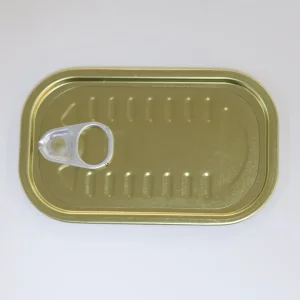
300 Tinplate Lids
High-Quality Food-Grade 300# Tinplate Lids Airtight Safety
Explore Specifications
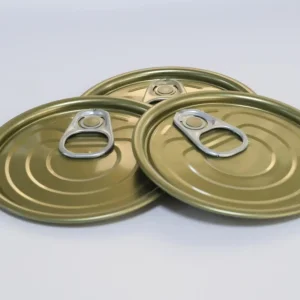
Food-Grade Tinplate Lids
High-Quality China Food-Grade Tinplate Lids Suppliers Airtight Safe
Explore Specifications
202 Tinplate Lids
China Premium Food-Grade 202# Tinplate Lids Safe Packaging
Explore Specifications
Anti-Static 300 Aluminum Lids
Wholesale Anti-Static 300# Aluminum Easy-Open Lids for Powders
Explore Specifications
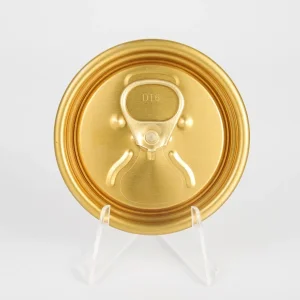
202 SOT Aluminum Lids
Wholesale Superior 202#SOT Aluminum Easy-Open Lids Service
Explore Specifications
202 RPT Aluminum Lids
Wholesale Top-Tier 202#RPT Aluminum Easy-Open Lids Products
Explore Specifications
Aluminum Easy Open Lids for Powders
Wholesale Premium Aluminum Easy-Open Lids for Powders Optimal Protection
Explore Specifications