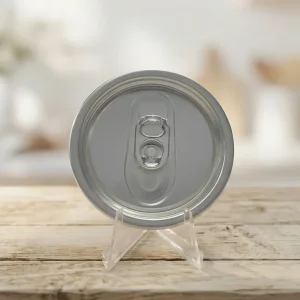
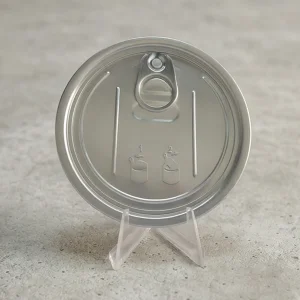
Engineered for maximum structural integrity, zero-migration preservation, and automated line compatibility.
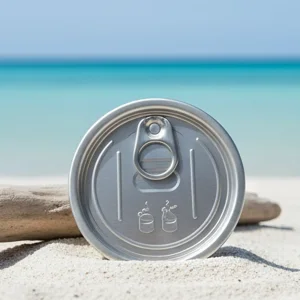
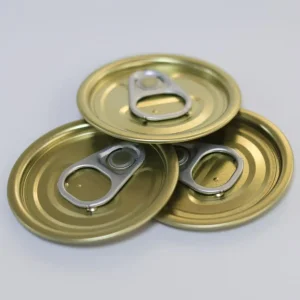
The global demand for high-integrity metal packaging—specifically oil tin containers, easy-open aluminum ends, and specialty lacquered tinplate components—is undergoing a structural evolution. Driven by strict international regulations on hydrocarbon transport, food-grade oil purity mandates, and the global push toward 100% recyclable rigid packaging, oil producers are migrating rapidly from traditional HDPE/PET plastics to advanced tinplate and aluminum container systems.
China has established itself as the epicenter of advanced metal packaging fabrication. By combining raw material metallurgy refinement (such as 3104-H19 aluminum body stock and prime-grade 8011/5182 coil alloys) with ultra-high-speed multi-station pressing lines, Chinese suppliers offer unparalleled scalability, dimensional accuracy, and cost-competitiveness to global B2B procurement networks.
Unlike plastic containers that allow subtle oxygen permeation and photo-oxidation over time, metallic oil containers provide a zero-transmission barrier against photo-degradation, volatile organic compound (VOC) loss, and atmospheric moisture ingress. This extends the shelf life of high-value edible oils and chemical lubricants up to 36 months.
Engineered with double-reduced (DR) tinplate and high-yield aluminum alloys, metal oil containers exhibit superior vertical axial crush strength. This enables extreme warehousing stackability (up to 4-5 pallets high) without outer carton collapse, reducing maritime transit damage losses to near zero.
Selecting the optimal container geometry and material matrix depends heavily on the chemical aggressive-index of the oil or powder filler. China's leading packaging manufacturers utilize precise metallurgical formulations coupled with high-performance internal polymer lacquers to guarantee zero container-content interaction.
| Material / Component | Alloy & Temper Code | Typical Thickness Range | Internal Coating System | Primary Application Scenarios |
|---|---|---|---|---|
| Oil Tinplate Container Body | ETP / DR8 / T3-T5 | 0.18 mm - 0.28 mm | BPA-NI Epoxy / Organosol | Edible Olive Oil, Motor Lubricants, Solvents |
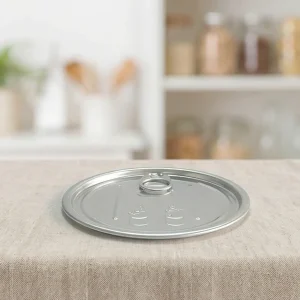
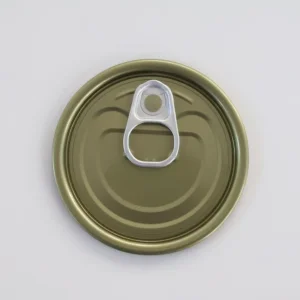
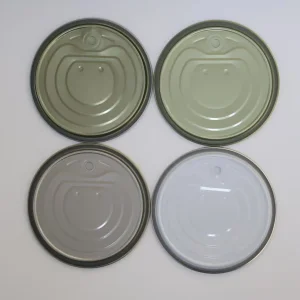
| Easy-Open Lid Shell (SOT / RPT) | Aluminum 5182-H48 | 0.21 mm - 0.24 mm | Modified Polyurethane / Vinyl | Pressurized Beverages, High-Pressure Oil Cans |
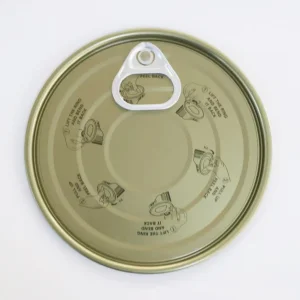
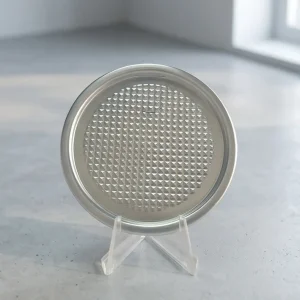
| Powder & Chemical Lids | Tinplate 211# / 307# / 603# | 0.19 mm - 0.25 mm | Gold Organosol / Clear Lacquer | Nutraceutical Powders, Ghee, Dairy Oils |
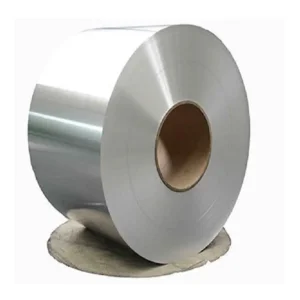
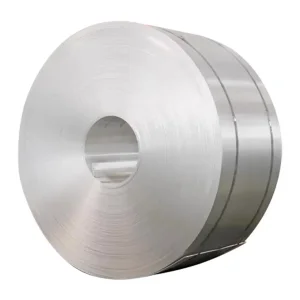
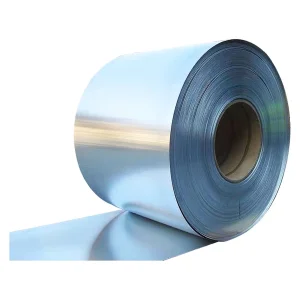
| Lid Coil Stock | Aluminum 8011 / 3104-H19 | 0.18 mm - 0.30 mm | Double-Sided Food-Grade Enamel | Deep-Drawn Components, Peelable Membranes |
Strict compliance with EU Regulation 1935/2004 and US FDA 21 CFR 175.300. Advanced acrylic and polyester-based lacquers guarantee complete safety for organic and infant nutrition oils.
Specially developed 300# and 401# easy-open lids feature surface resistivity control to prevent micro-powder particle cling during high-speed automated packaging runs.
Calculated countersink depth, seam gap tolerance, and curl height ensure seamers achieve 100% airtight seals across high-speed filling lines (over 600 cans/min).
The global metal packaging market is witnessing unprecedented technological disruption. Driven by strict corporate ESG goals, carbon-footprint tracing, and Industry 4.0 automation, suppliers in China are pioneering critical innovations that redefine how oil tin containers and aluminum components are designed and produced.
By using computer-simulated finite element analysis (FEA), tinplate wall thickness has been reduced by up to 12% without sacrificing axial strength. Utilizing 3104-H19 aluminum coil and double-reduced tinplate allows factories to ship lower mass per unit, directly reducing maritime container carbon intensity.
High-value extra virgin olive oils and premium synthetic motor oils suffer from global counterfeiting. Modern tin container production lines integrate laser-etched QR codes directly on the easy-open pull tab or tin lid, enabling real-time blockchain trace-and-verify functionality for end consumers.
The transition toward UV-curable and solvent-free interior lacquers eliminates VOC emissions during factory baking processes. Thermal-cured linings maintain higher flexibility, ensuring the protective barrier remains intact even under deep necking and bead-forming operations.
Modern Chinese manufacturing facilities incorporate inline high-speed optical vision systems. Every stamped lid and formed tin body is scanned for 0.05mm micro-flange flaws, pinholes, and enamel scratches at speeds exceeding 1,200 components per minute.
Container performance varies radically depending on geographic climate, storage conditions, and chemical formulation. Below are four primary commercial scenarios where specialized Chinese metal packaging solutions provide measurable information gain and operational advantages.
Challenge: High ambient temperatures and long maritime shipping routes accelerate rancidity in olive, sesame, and seed oils if light or oxygen breaches the pack.
Engineering Solution: Rectangular and cylindrical ETP tinplate cans with recessed 307# or 401# aluminum easy-open ends. Internal food-grade organosol lacquer protects taste profile, while precision pour-spouts provide drip-free consumer dispensing.
Challenge: Heavy synthetic oils require high container rigidity to endure extreme vibration during long-distance truck haulage without seam stress leaks.
Engineering Solution: Heavy-gauge tinplate bodies (0.24mm-0.28mm) paired with 202# SOT or RPT high-pressure aluminum ends. Burst-pressure resistance tested to >6.0 bar prevents lid pop under thermal expansion.
Challenge: Salt mist and humidity cause external rust around tinplate seams, ruining brand shelf appeal in retail stores.
Engineering Solution: External anti-rust lacquers and specialized rust-proof 401# aluminum lid components. Coated with marine-grade passivation layers, these containers pass 96-hour neutral salt spray (NSS) testing.
Challenge: Static charge accumulation on container walls causes powder cling and filling line downtime in cleanroom environments.
Engineering Solution: Anti-static 300# aluminum easy-open lids and ultra-clean deburred tinplate components. Manufactured under dust-free controlled atmospheres to eliminate particle contamination.
Demonstrating high Experience, Expertise, Authoritativeness, and Trustworthiness (E-E-A-T) requires strict adherence to documented quality control metrics. Professional Chinese suppliers implement comprehensive batch-testing protocols before releasing any shipment.
Measures lacquer continuity across 100% of internal surfaces. Conductivity limits are strictly enforced below 2.0 mA to guarantee zero metal exposure to corrosive contents.
Destructive testing validates seam overlap percentage (min 55%), body hook length, cover hook length, and wrinkle rating to prevent micro-leakage under vacuum.
Component samples undergo 121°C (250°F) autoclave retort cycles for 90 minutes to ensure coating adhesion and compound integrity under extreme processing.
Direct answers to critical sourcing, technical, and engineering questions regarding Chinese oil tin containers and aluminum closure systems.
Metal tinplate containers provide total light opaqueness and absolute oxygen barrier protection. Plastics permit micro-oxygen ingress over 6-12 months, degrading oil flavor and chemical viscosity. Furthermore, metal tinplate is 100% infinitely recyclable without quality degradation, helping brands fulfill strict global packaging sustainability targets.
For edible oils, suppliers utilize food-grade BPA-NI (Bisphenol A Non-Intent) acrylic or polyester enamels compliant with US FDA 21 CFR 175.300 and EU 1935/2004. For aggressive industrial lubricants and solvent blends, specialized organosol or phenolic-epoxy resin coatings are applied to withstand chemical oxidation and high-temperature filling.
Industry-standard imperial diameter codes include 200# (50mm), 202# (52mm), 211# (65mm), 300# (73mm), 307# (83mm), 401# (99mm), and 603# (153mm). Matching the exact neck finish of your container body ensures leak-tight double seaming on automatic seaming machinery.
Containers are packed on heat-treated ISPM-15 wooden or plastic pallets, sealed with heavy-duty VCI (Vapor Corrosion Inhibitor) stretch-hood film. Industrial desiccant bags are placed inside every shipping container to absorb moisture caused by ocean transit temperature fluctuations ("container rain").
Yes. Raw aluminum coil can be lacquered, printed, and precision-slit to narrow widths ranging from 20mm up to 1500mm. Thickness tolerances are strictly controlled within +/-0.005mm to ensure reliable continuous stamping in high-speed lid presses.
Unprinted plain tin components usually start at lower MOQs (from 50,000 to 100,000 units). Fully customized CMYK printed cans require offset lithography plate set-up, with MOQs starting around 100,000 units per artwork SKU. Standard production lead time is 20-30 working days from artwork proof approval.
Explore our export-ready components optimized for global container manufacturers and canning lines.