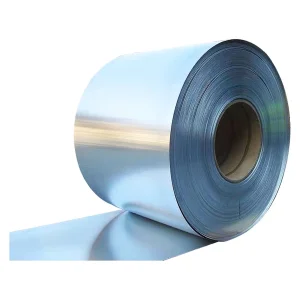
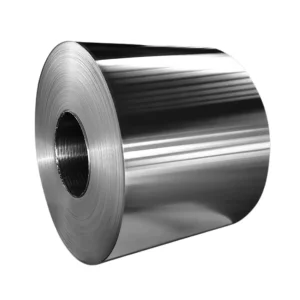
Engineered for structural durability, optimal barrier performance, and 100% infinitely recyclable circular lifecycles.


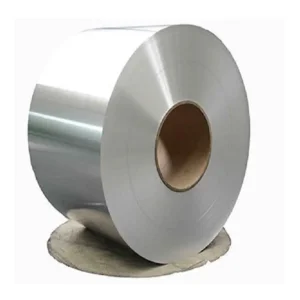
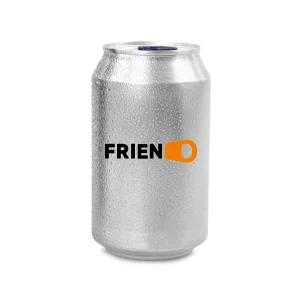

The global packaging sector is undergoing a structural paradigm shift driven by stringent environmental mandates, environmental, social, and governance (ESG) commitments, and the pressing imperative to achieve Scope 3 decarbonization targets. Within this landscape, tinplate and aluminum can recycling manufacturers occupy a pivotal position. Unlike single-use polymers that degrade in molecular integrity during thermal mechanical recycling, rigid metal packaging—comprising tin-coated steel (tinplate) and non-ferrous aluminum alloys (3104, 5182, 8011)—represents a true closed-loop circular medium capable of infinite recycling without loss of mechanical yield, axial strength, or barrier integrity.
From a global commercial standpoint, the demand for recycled tin cans and aluminum easy-open ends (EOE) is expanding rapidly across North America, Europe, East Asia, and emerging Latin American markets. Regulatory frameworks—such as the European Union’s Packaging and Packaging Waste Regulation (PPWR) and Extended Producer Responsibility (EPR) mandates—have established strict minimum recycled content thresholds for commercial packaging. To meet these targets, multinational beverage conglomerates, pharmaceutical firms, and food processing giants are increasingly securing reliable global supply chains for high-purity post-consumer recycled (PCR) coil stock and secondary metal packaging components.
Tinplate and aluminum retain 100% of their structural properties upon remelting. Utilizing recycled secondary scrap consumes up to 95% less electrical energy compared to primary bauxite refining or iron ore blast furnace reduction, drastically lowering carbon emissions per unit container produced.
Global brands face mounting regulatory penalties unless they incorporate certified PCR content. Tier-1 Chinese manufacturers provide fully traceable metallurgical supply chains certified under ISO 14021 and ASI (Aluminum Stewardship Initiative) standards.
Replacing virgin tinplate coil with certified secondary metal lowers cradle-to-gate carbon footprints by over 1.8 metric tons of CO2e per ton of finished can stock, enabling enterprise brands to achieve net-zero commitments faster.
China’s dominance in the global tin can and aluminum packaging export landscape is built upon complete industrial cluster density, unparalleled manufacturing throughput, advanced automated stamping technology, and integrated port logistics. Unlike regional suppliers operating isolated facilities, Chinese manufacturers leverage vertically integrated supply ecosystems. This integration spans high-speed cold-rolling mills and automated lacquering lines to precision high-speed stamping presses operating at speeds exceeding 1,200 ends per minute.
Leading Chinese facilities utilize multi-die high-speed conversion presses equipped with integrated online visual monitoring systems. Microscopic dimensional tolerances (±0.005mm) on countersink depth, curl geometry, and score-line residual thickness are systematically enforced.
By co-locating raw material smelting, tin-coating, coil slitting, and internal lining application within unified coastal industrial zones (such as Shanghai, Zhejiang, and Shandong), Chinese factories dramatically compress production lead times and minimize freight overheads.
Advanced testing laboratories perform systematic migration testing, salt-spray corrosion resistance, enamel rater current checks (<2.0mA), and axial load burst testing on every batch to guarantee full compliance with US FDA 21 CFR 175.300 and EU 1935/2004 standards.
| Performance / Capability Metric | Chinese Tier-1 Manufacturer Standard | Conventional Regional Manufacturer | B2B Buyer Impact |
|---|---|---|---|
| Line Production Speed (EOE / Cans) | 1,200 – 2,200 pcs / minute | 400 – 800 pcs / minute | Rapid bulk order turnaround & reduced unit cost |
| Internal Lining Systems | BPA-NI, Epoxy-Phenolic, Organosol | Standard Epoxy-based only | Versatile compatibility across acidic, fatty, & reactive foods |
| Dimensional Tolerance Control | ±0.005 mm (Laser Micro-Calibrated) | ±0.020 mm | Zero seamer jamming on high-speed filling lines |
| Recycled Scrap Utilization (PCR) | Up to 75% – 85% Certified Coil Stock | 20% – 35% Base Scrap | Direct reduction in Scope 3 carbon footprint metrics |
Modern metal packaging is highly engineered to meet specific internal pressure dynamics, product chemistry, processing environments, and shelf-life demands. China's leading recycling and manufacturing producers customize container geometries, alloy tempers, and interior barrier lacquers to withstand specific thermal and mechanical stresses across varied industrial applications.
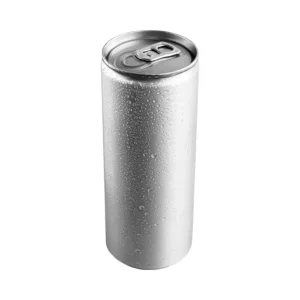
Demands high buckle resistance (up to 6.2 bar) to sustain internal carbonation pressure without dome distortion. High-speed 330ml, 355ml, and 473ml standard, sleek, and slim aluminum cans feature 3104-H19 lightweight body stock combined with 5182-H48 shell ends to prevent leakage during thermal pasteurization.
Requires hermetic oxygen barriers and moisture isolation. Specialized powder lids incorporate peelable foil membranes or rigid aluminum easy-open ends with anti-static food-grade lacquers, preventing powder particulate adhesion during high-speed nitrogen flushing filling operations.
Constructed with heavy-gauge tinplate steel to withstand high internal propellant pressures. Feature anti-corrosive internal organosol linings suitable for solvent-based paints, automotive fluids, and pressurized household chemical formulations.
For enterprise procurement directors and packaging quality managers, sourcing tinplate cans, aluminum beverage bodies, and easy-open ends from China involves strict technical qualification protocols. Ensuring seamless double-seam integrity on automatic closing equipment requires matching specific dimensional parameters between the container flange and the end curl profile.
The structural integrity of a double seam depends on maintaining optimal seam length, body hook, end hook, and percentage overlap (minimum >55%, target >65%). Tier-1 Chinese suppliers provide precision computer-generated optical seam teardown inspection reports with every production batch to verify hermetic sealing.
Internal lining continuity is critical when packaging acidic fruit juices, beer, or corrosive products. Microscopic breaks in the lacquered coating are detected via electrical current measurement (Enamel Rater). High-grade cans and ends maintain electrical conductivity below 2.0 milliamperes (mA) under standard salt solution test parameters.
Easy-open ends must strike a precise balance between opening convenience and structural transportation durability. High-speed score-line calibration ensures opening force parameters remain within consumer-friendly limits (Pop Force: 12 – 22 N; Pull Force: 20 – 35 N) while withstanding severe transit vibration and thermal expansion.
As global regulatory frameworks transition from voluntary corporate sustainability targets to legally enforceable decarbonization mandates, the tin can recycling and manufacturing sector is implementing advanced technological solutions to achieve true zero-waste industrial output.
Modern recycling facilities in China are deploying X-ray Fluorescence (XRF) and optical AI sorting systems capable of separating post-consumer scrap by exact alloy composition (e.g., separating 3104 can body scrap from 5182 end tab scrap) at purity levels exceeding 99.8%.
Advanced finite element analysis (FEA) allows engineers to reduce body wall thickness from 0.26mm down to 0.21mm while preserving axial crush resistance. This structural engineering down-gauging lowers total material weight and ocean container shipping weight.
Transitioning from legacy epoxy lacquers to next-generation acrylic and organosol BPA-Non-Intent (BPA-NI) interior systems ensures full long-term compliance with global health regulations, preventing chemical leaching across acidic food categories.
High-performance aluminum coils, easy-open ends, and specialized container systems engineered for global distribution.