High-precision aluminum cans, easy-open lids, tinplate closures, and premium alloy coils engineered for high-speed filling line compatibility and zero-leakage hermetic performance.


As global consumer brands accelerate transitions toward non-plastic, infinitely recyclable, and shelf-stable containment solutions, the demand for high-integrity induction foil sealing paper, peel-off foil membranes, and lightweight aluminum beverage bodies has reached an unprecedented industrial inflection point. Modern packaging lines operate at speeds exceeding 1,200 units per minute, leaving zero margin for thermal seal failures, micro-pinholes, or improper double-seam crimping.
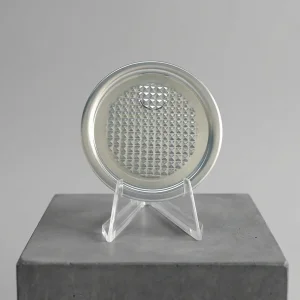
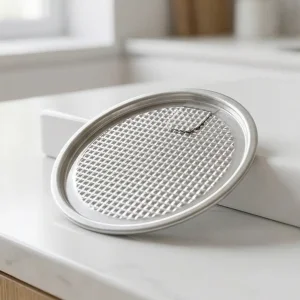
Hermetic, tamper-evident barrier seals engineered specifically for hygroscopic powders and infant formulas. Utilizing high-purity aluminum foil laminated with PE/EVA induction heat-seal layers to ensure zero oxygen ingress (<0.005 cc/m²/24h) and absolute moisture protection under severe tropical transport conditions.
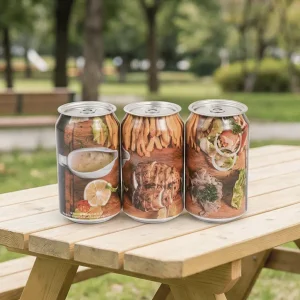
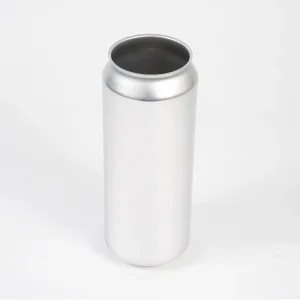
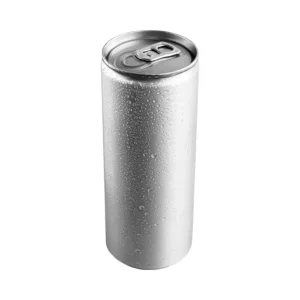
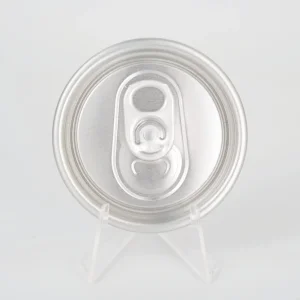
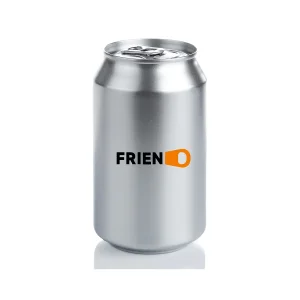
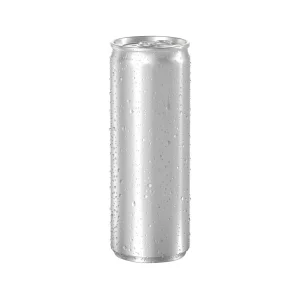
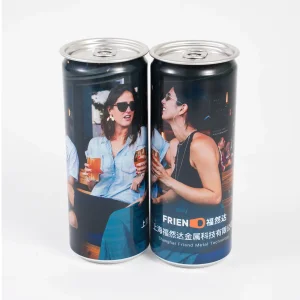
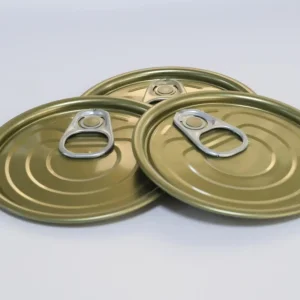
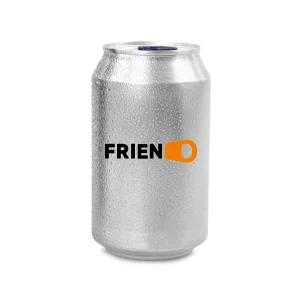
Standard (330ml, 355ml, 500ml), Sleek, and Slim aluminum cans paired with 200#, 202# SOT (Stay-On Tab) and RPT (Resealable Pull Tab) easy-open lids. Formulated with food-grade BPA-NI (Non-Intent) internal lacquers capable of resisting high internal gas pressure (up to 6.2 bar) and pasteurization thermal cycles.
Heavy-duty foil sealing liners and chemical-resistant tinplate end closures designed for aggressive solvents, liquid pharmaceuticals, and concentrated crop protection products. Special multi-layer foil paper matrices prevent volatile organic compound (VOC) permeation and container panelling.
Our manufacturing matrix adheres to strict international tolerances across aluminum alloys, foil laminate gauges, and interior/exterior coating chemistries.
| Product Line / Alloy Grade | Thickness / Gauge Range | Coating / Lacquer Chemistry | Barrier Performance (OTR / WVTR) | Primary Industrial Application |
|---|---|---|---|---|
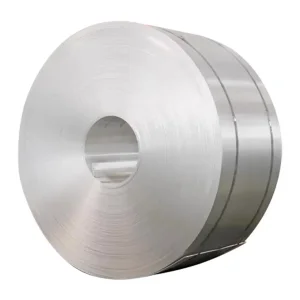
| 3104-H19 Can Body Stock | 0.240 mm – 0.280 mm ±0.005mm | Water-based Epoxy-Acrylic / BPA-NI Organosol | Hermetic Gas Tight (>6.2 Bar Burst) | DWI Beverage Cans (Carbonated, Beer, Energy) |
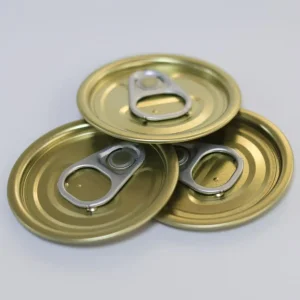
| 5182-H48 Easy-Open Shell Stock | 0.205 mm – 0.240 mm ±0.003mm | Electro-coated Modified Vinyl / Epoxy Phenolic | Pasteurization Stable (>90°C Thermal Cycle) | 200#, 202#, 206# SOT/RPT Lid Shells |
| 8011-O / H18 Foil Sealing Paper | 0.020 mm – 0.080 mm Foil + Substrate | Induction Heat-Seal Polymer (PET/PE/PP/PS) | < 0.005 cc/m²/24h OTR | < 0.005 g/m²/24h WVTR | Bottle Cap Foil Liners, Induction Seals |
| 5052-H19 Tab Stock | 0.330 mm – 0.380 mm ±0.004mm | Clear / Gold / Colored Matte Varnish | High Tensile Rivet Retention (>80 N) | Beverage Can Pull Tabs & Colored Branding Tabs |
| Food-Grade Tinplate (MR Grade) | 0.160 mm – 0.220 mm Temper T3-T5 | Phenolic Gold Varnish / Organosol Liner | Zero Pinning via Double Reduction (DR) Process | 300#, 307#, 401#, 603# Processed Food Can Lids |
The global packaging industry is undergoing a structural transition driven by stringent environmental legislation—such as the European Union’s Packaging and Packaging Waste Regulation (PPWR)—and evolving ESG mandates. Aluminum and foil-based packaging solutions lead this transition due to their infinite circular recyclability, high material value retention, and superior logistical weight efficiencies.
In response to ongoing maritime freight dislocations and aluminum ingot price fluctuations, China’s primary metal converting mills have established integrated supply networks. By combining precision coil slitting, lacquer coating, shell pressing, and high-speed can drawing under centralized ISO-certified management, we shield international buyers from cumulative supply chain markups while delivering locked-in lead times.
Regulatory restrictions on Bisphenol A (BPA) and per- and polyfluoroalkyl substances (PFAS) in food-contact materials have forced rapid chemical reformulations. Our engineering teams utilize next-generation polyorganosol and acrylic-phenolic coating matrices that comply fully with US FDA 21 CFR 175.300, EU Commission Regulation (EU) No 10/2011, and China National Standard GB 4806.10, eliminating legal exposure for global distributors.
Field conditions across regional filling plants vary significantly in temperature, humidity, line speeds, and seaming tool geometry. We customize seal peel strength, foil paper rigidity, and can neck profile configurations based on destination-specific operational realities.
Scenario: Low-acid canned food, coffee RTD beverages, and clinical nutrition liquids subjected to autoclave retort cycles up to 121°C for 30 minutes.
Engineering Fix: High-temperature resistant organosol liners with reinforced double-seam compound formulations. Retains hermetic seal without coating degradation or inter-coat delamination.
Scenario: Sealed container shipments passing over high-altitude mountain routes or undergoing unpressurized air freight, generating high differential pressure spikes.
Engineering Fix: Micro-calibrated burst pressure thresholds on 202# RPT and 307# easy-open ends, engineered to withstand internal pressure differentials over 6.2 bar without premature tab popping or seam distortion.
Scenario: Bulk storage of milk powder cans, chemical drums, and beverage inventory in non-air-conditioned warehouses across West Africa, Southeast Asia, and Latin America.
Engineering Fix: Anti-corrosive tin/chrome passivation layer treatment on tinplate lids and salt-spray tested exterior varnish coatings for aluminum ends to prevent oxidation spotting.
Our manufacturing facility implements a comprehensive 5-stage Quality Assurance (QA) routine, combining automated optical vision inspection with laboratory teardown analytics to guarantee 100% compliance before dispatch.
Every production batch dispatched from our Shanghai facility is accompanied by an audit-ready compliance package designed for effortless customs clearance in Europe, the Americas, and APAC:
Our R&D roadmap focuses on pushing the boundaries of metallurgical strength, reduction of raw material gauge, and integration of smart serialization technologies directly onto sealing surfaces.
Commercialization of 0.205mm shell stock for 202# beverage ends and 0.230mm drawn can bodies, reducing raw material aluminum consumption by 4.8% per unit without compromising axial column strength or internal pressure resistance.
Transitioning dry powder lid membranes and induction foil paper liners to 100% monomaterial aluminum lamination structures, enabling unified recycling streams that require zero mechanical layer separation prior to smelting.
Direct laser-etched high-density QR codes under the pull tab and thermochromic temperature-sensitive indicator lacquers on foil sealing layers, empowering consumer engagement and automated anti-counterfeiting tracking across international supply chains.
Explore our full line of specialized metal containers, custom sleek/slim formats, and raw coil raw material supply options.

Answers compiled directly by our senior packaging engineers regarding alloy selection, double-seam setup, food safety certifications, and logistics handling.
