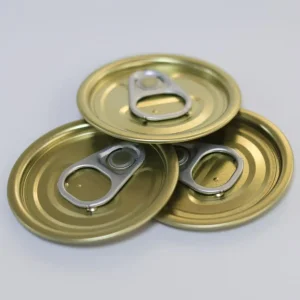
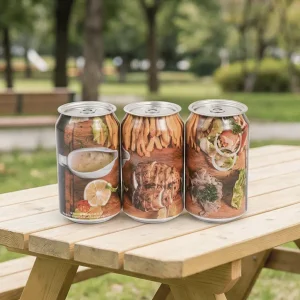
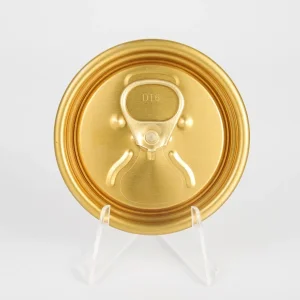
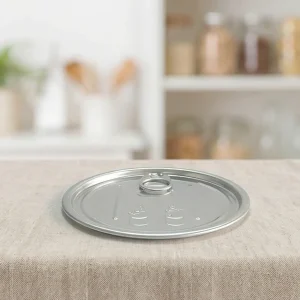
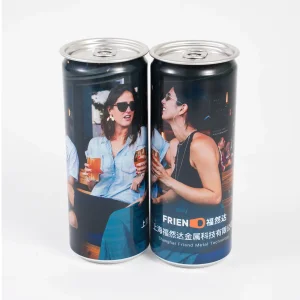
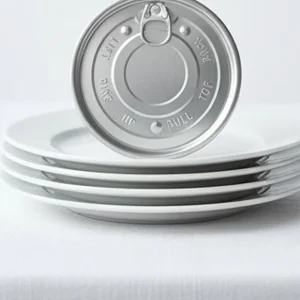
High-performance easy-open lids, anti-static powder closures, food-grade tinplate components, and structural aluminum coils manufactured under ISO 22000 & FSSC 22000 standards.
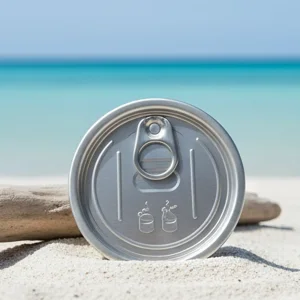
In modern industrial food preservation, the integrity of hermetic packaging determines shelf stability, nutrient retention, and chemical safety. As global food processors transition away from legacy plastic containers to infinitely recyclable metal substrate systems, China’s primary aluminum processing and high-speed stamping facilities have emerged as the backbone of global supply chains.
Modern aluminum food storage manufacturing integrates deep metallurgical science, precise dimensional control, and advanced barrier chemistry. Utilizing high-purity aluminum alloys such as 3104-H19, 5182-H48, and 5052-H32, state-of-the-art Chinese manufacturing centers leverage automated high-speed Minster and Stolle pressing lines operating at tolerances measured in single-digit microns. This technical capability guarantees structural buckle strength, low opening forces, and zero defect rates under rigorous high-speed automated seamers.
Our global manufacturing network enforces non-intent BPA (BPA-NI) and organosol inner lacquer systems compliant with FDA 21 CFR 175.300, EU Regulation 1935/2004, and GB 4806.10. Every lot undergoes rigorous enamel rater testing, salt-spray corrosion trials, and double-seam teardown evaluation.
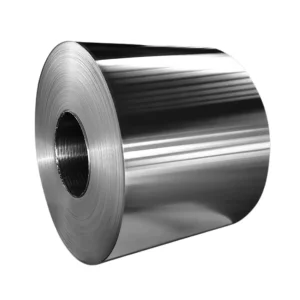
From raw bauxite smelting to high-speed coil slitting, lacquer synthesis, and high-precision stamping, Chinese factories deliver unmatchable economies of scale and technical precision.
China houses fully integrated primary aluminum refineries, precision coil rolling mills, and advanced chemical coating formulation plants within centralized industrial zones, minimizing raw material lead times and reducing ocean freight overheads.
Utilizing ultra-high-speed multi-die press systems equipped with real-time laser vision scanners, modern Chinese factories maintain strict countersink depth, curl profile, and tab riveting dimensions required by fast filling lines (1,500+ cans/min).
Proprietary epoxy, polyester, and water-based acrylic lacquers are formulated to withstand extreme acidity (pH < 3.0), high salinity, and high-temperature thermal retort cycles (121°C for 30 minutes) without micro-cracking or migration.
The global shift toward sustainable, carbon-neutral supply chains is forcing a structural migration from rigid plastics to high -barrier, lightweight aluminum packaging configurations.
Driven by strict corporate scope 3 emission reduction targets, major food and beverage multinationals are replacing legacy 0.23mm shell stock with high-yield 0.20mm and 0.18mm temper 5182 aluminum alloys. Modern shell design utilizes optimized bead geometry and modified countersink radiuses to preserve 6.2+ bar burst resistance while cutting raw aluminum consumption by 8% to 12% per thousand units.
Regulatory pressures across Northern Europe and North America have accelerated the elimination of bisphenol-A derivative resins. Advanced Chinese coating lines utilize third-generation modified polyester (D3) and polyorganosol coatings that eliminate bisphenol variants while delivering superior flexibility during high-speed lid formation and compound lining.
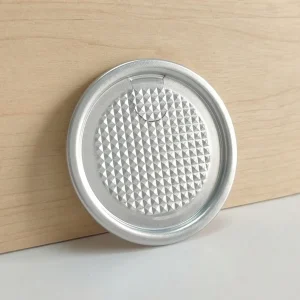
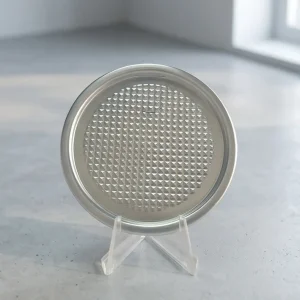
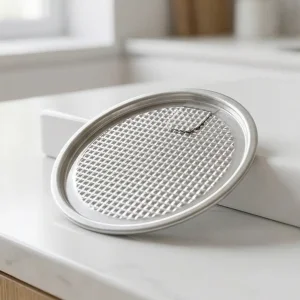
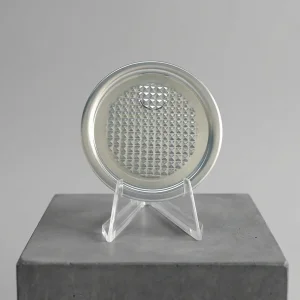
Nutraceutical brands, infant formula producers, and electronic chemical suppliers require functional packaging modifications. Advanced anti-static lacquers prevent fine powders from adhering to the lid undersides during vacuum induction filling, preventing seam contamination. Additionally, transparent window top lids (such as transparent-top 502#) allow direct visual inspection without compromising gas-barrier performance.
For canned food products distributed in tropical or maritime environments, humidity-induced rust on exposed metal edges is a critical failure point. Chinese factories deploy edge-coated aluminum alloys and specialized tinplate passivations that surpass 96-hour ASTM B117 salt-spray chamber trials without iron oxide blooming or compound breakdown.
| Can End Code | Nominal Diameter | Substrate Alloy | Internal Coating System | Typical Application Field | Burst Pressure Rating |
|---|---|---|---|---|---|
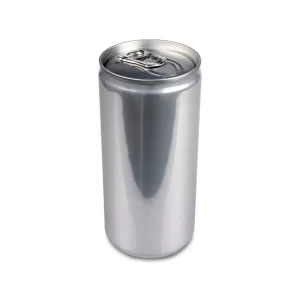
| 200# End | 50 mm | 5182-H48 / 5052-H32 | BPA-NI Waterborne Resin | Energy Shots, Sleek Beverage Cans | ≥ 6.2 Bar |
| 202# SOT / RPT | 52 mm | 5182-H48 Shell + 5052 Tab | Organosol / Epoxy Phenolic | Beer, Soda, Hard Seltzers | ≥ 6.5 Bar |
| 300# Powder Lid | 73 mm | 8011-H14 / 3104-H19 | Anti-Static Polyester / Vinyl | Nutraceuticals, Functional Powders | Hermetic Vacuum Seal |
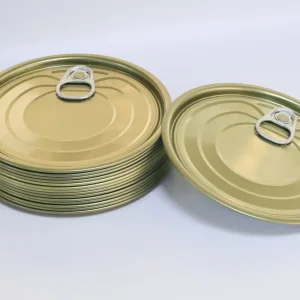
| 307# EOE Lid | 83 mm | 5182-H48 Aluminum / Tinplate | Retort-Grade Organosol | Canned Meat, Vegetables, Wet Pet Food | Thermal Retort Resistant (121°C) |
| 401# Foil EOE | 99 mm | 3104 Aluminum / TFS | BPA-NI Heat Seal Lacquer | Coffee Beans, Milk Powder, Nuts | Nitrogen Flush Compatible |
| 502# EOE Lid | 127 mm | 5182-H48 / 8011 Alloy | Transparent / Gold Organosol | Infant Formula, Bulk Powder Storage | High Structural Buckle Resistance |
Tailored metal closure and aluminum can configurations designed for specific thermal processing, fill-line pressures, and chemical barrier conditions.
Requiring oxygen barrier levels lower than 0.5% after nitrogen flushing. Aluminum peel-off membrane lids and 401#/502# easy-open lids ensure zero moisture ingress, protecting delicate whey proteins, lipids, and probiotic strains from oxidation.
High internal pressures (up to 90 PSI during pasteurization) demand 202# SOT/RPT easy-open ends featuring reinforced countersink depth, precise score line depth (remaining metal thickness of 45-55 microns), and smooth pop-and-pull opening action.
307# and 401# tinplate and aluminum ends designed for pressure retort processing up to 121°C. High-performance liquid sealant compound lines guarantee double-seam integrity despite intense pressure fluctuations during cooling phases.
Key quality assurance metrics international procurement directors evaluate when selecting Chinese aluminum food packaging suppliers.
To eliminate high-speed filling line stoppages, suppliers must provide comprehensive Statistical Process Control (SPC) documentation covering:
International ocean transit introduces temperature swings and condensation risks. Chinese leading factories deploy specialized marine packing standards:
In-depth technical answers regarding chemical compliance, alloy selection, seamer tooling alignment, and custom factory manufacturing.
Explore our full catalog of aluminum easy-open ends, beverage cans, rust-proof food storage covers, and industrial coil stock.