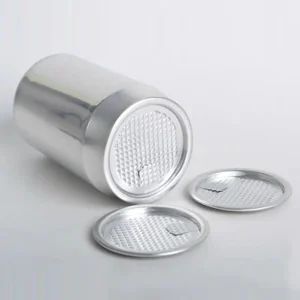
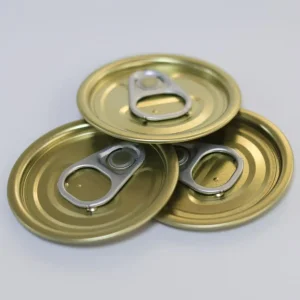
Precision-engineered aluminum cans, easy-open lids, and tinplate closures manufactured in compliance with international food-grade standards for seamless integration into high-speed filling lines.
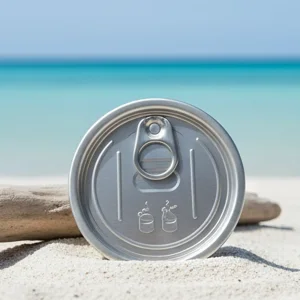
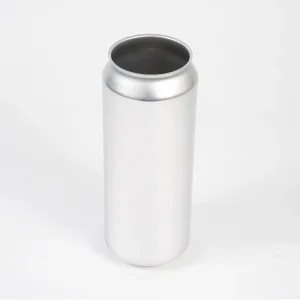
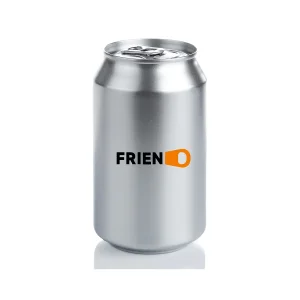
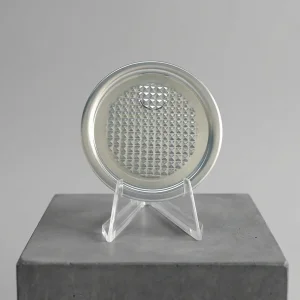
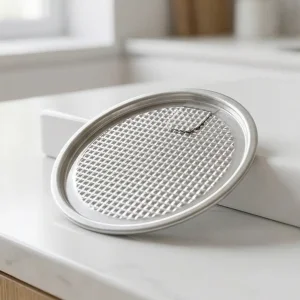
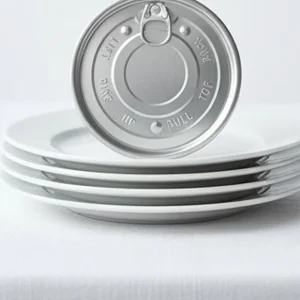
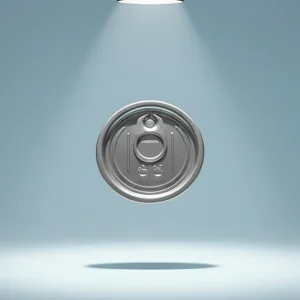
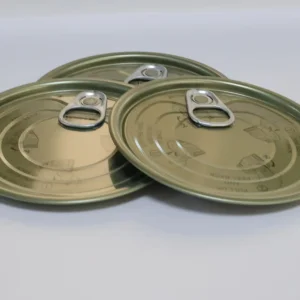
An analytical examination of global supply chains, material shifts from rigid plastics to metal, and China’s strategic manufacturing scale in food-grade packaging innovation.
The global metal packaging landscape is undergoing a structural transition toward infinitely recyclable aluminum alloys, accelerated by global ESG commitments, carbon neutral initiatives, and stringent single-use plastic restrictions across Europe, North America, and Asia-Pacific. As a leading global aluminum food cans manufacturer and supplier in China, the industrial infrastructure here combines complete raw alloy metallurgy, automated high-speed drawing and wall ironing (DWI), and certified food-contact coating lines to supply international food processors, craft beverage filling networks, and infant nutrition multi-nationals.
Valued at over $55 Billion globally, the aluminum packaging market is expanding at a CAGR of 4.8% through 2032. The primary demand drivers stem from a fundamental consumer shift toward shelf-stable, light-proof, tamper-evident, and rapid-chilling container formats. Aluminum food cans and easy-open ends provide an absolute 100% barrier against UV radiation, oxygen ingress, moisture absorption, and microbial contamination. This extends product shelf life up to 36 months without chemical preservatives.
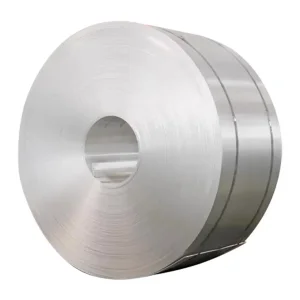
China's industrial packaging ecosystem holds a distinct advantage in raw material integration. By coupling advanced bauxite refining directly with specialized rolling mills, manufacturers produce high-purity aluminum coils in 3104-H19 body stock, 5182-H48 end shell stock, and 8011 lacquered foil. This vertical integration allows strict tolerance control over metal grain structure, tensile strength, and gauge uniformity (+/- 0.002mm), ensuring that finished two-piece cans and easy-open lids (SOT/RPT) operate flawlessly on ultra-high-speed filling lines (Ferrum, Angelus, CFT) running at speeds exceeding 2,000 cans per minute.
Exploring the precise material science behind 3104-H19 body wall ironing, 5182-H48 end shell buckle strength, and non-BPA internal organosol polymer coatings.
The manufacture of high-performance two-piece aluminum cans and easy-open ends requires rigid metallurgical controls. Each component relies on specific alloy formulations optimized for cold-working, deep-drawing, and burst resistance under pressure:
| Product Category | Alloy & Temper | Gauge Range | Standard Sizes | Internal Pressure | Coating System | Primary Application |
|---|---|---|---|---|---|---|
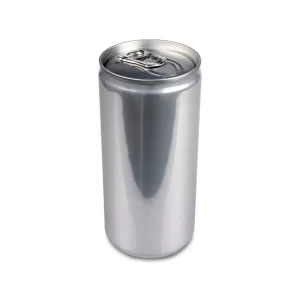
| Standard Beverage Cans | AA 3104-H19 | 0.240 – 0.260 mm | 330ml, 355ml, 500ml | > 6.2 bar burst | BPA-NI Epoxy / Acrylic | CSD, Beer, Energy Drinks |
| Sleek & Slim Cans | AA 3104-H19 | 0.235 – 0.250 mm | 200ml, 250ml, 330ml | > 6.0 bar burst | Modified Polyester | Cold Brew, RTD Cocktails, Juices |
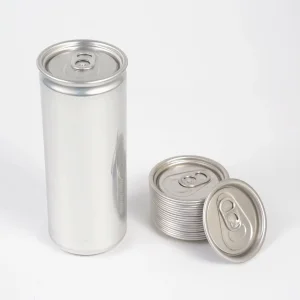
| SOT & RPT Beverage Ends | AA 5182-H48 | 0.205 – 0.220 mm | 200#, 202#, 206# | > 6.5 bar buckle | Water-based BPA-NI | Carbonated & Still Beverages |
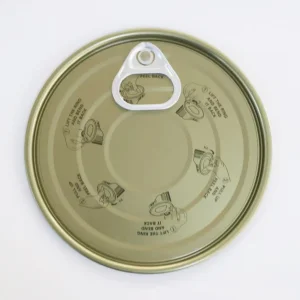
| Powder & Dry Food Lids | AA 5182 / AA 8011 | 0.220 – 0.280 mm | 300#, 307#, 401#, 502# | Vacuum / N2 Flush | Anti-Static Organosol | Infant Formula, Whey Protein |
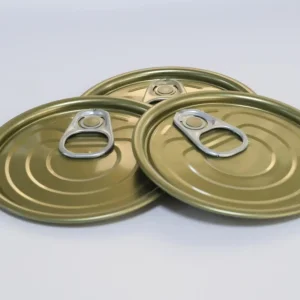
| Food-Grade Retort Lids | Tinplate (ETP / TFS) | 0.180 – 0.240 mm | 200# to 603# | 121°C / 134°C Retort | Vinyl Phenolic / PVC-Free | Canned Meats, Seafood, Vegetables |
Every internal spray coating and lacquer application adheres to global food safety mandates including FDA 21 CFR 175.300, EU Regulation 1935/2004, and China National Standard GB 4806.10. Specialized BPA-Non-Intent (BPA-NI) acrylic and polyester linings undergo rigorous migration testing, verifying non-detectable leaching even when exposed to highly acidic products (pH < 2.5) or high-temperature steam sterilization cycles (121°C for 60 minutes).
How ultra-lightweighting, direct-to-shape digital decoration, zero-static powders, and circular economic frameworks are transforming metal packaging production.
By optimizing dome geometry and transitioning neck diameters from 202 to 200, metal consumption is reduced by up to 4.2kg per 1,000 cans without sacrificing axial column crush strength (> 900 N).
8-color dry offset presses running up to 2,200 CPM deliver matte, gloss, tactile embossing, and variable scannable QR code etching directly onto body walls for real-time supply chain traceability.
Advanced electrostatic dissipative internal lacquers prevent micro-particle cling along the score line on 300# and 502# ends, maintaining hermetic integrity for sensitive electronic powders and infant formula.
Transitioning to next-generation acrylic and polyester spray coatings guarantees complete elimination of Bisphenol-A, meeting strict non-intent legislation across North American and European retail channels.
Combining rigid aluminum easy-open rings with optical-grade, heat-sealed clear film panels allows end consumers to inspect gourmet spices, teas, and dry fruit contents on retail shelves before purchase.
Integrating plant skeleton scrap directly back into coil smelting saves 95% of energy compared to primary smelting, driving Scope 3 carbon footprints down to industry-leading lows.
Engineering customized container and closure configurations for carbonated beverages, sterile infant powders, retortable food, and sensitive electronic chemicals.
Beverages containing dissolved carbon dioxide require container bodies capable of withstanding high internal pressures (typically 3.5 to 5.2 bar at room temperature). Our 330ml, 355ml, and 500ml standard cans paired with 202# SOT (Stay-On Tab) ends utilize AA 3104-H19 body stock featuring an engineered bottom dome design. This dome flexes under pressure without permanent outward buckle, ensuring stack stability during transit while maintaining structural integrity during thermal pasteurization (up to 65°C for 20 minutes).
Powder packaging demands complete exclusion of ambient oxygen and humidity to prevent lipid oxidation and clumping. We manufacture 300#, 307#, 401#, and 502# aluminum easy-open ends featuring peelable foil membranes or high-integrity aluminum scores. Used alongside vacuum seaming and nitrogen flushing protocols (achieving residual oxygen levels < 0.5%), these lids preserve the bio-activity of vitamins, probiotics, and infant formula over extended multi-year shelf lives.
High-moisture processed foods require post-seaming thermal sterilization inside autoclaves at temperatures ranging from 121°C to 134°C. Our food-grade tinplate (ETP/TFS) and aluminum retort lids incorporate thick organosol lining compounds and heavy-duty double-seam curls. These seals accommodate internal steam expansion during thermal hold phases without losing seam compression or developing micro-leaks upon cooling.
For specialized chemical manufacturing, static electricity generated during high-speed powder filling can cause micro-particles to adhere to container rims and lid score lines, impairing double-seam hermetic seals. Our anti-static 300# aluminum easy-open lids utilize conductive, non-contaminating internal linings that dissipate electrostatic charges, enabling zero-defect sealing in cleanroom environments.
Comprehensive engineering answers covering seam setup, alloy compliance, minimum order quantities, and transit protection protocols.
Can bodies are drawn from AA 3104-H19 aluminum, specifically tailored for deep drawing and wall ironing (DWI). Easy-open ends (SOT/RPT) utilize high-yield strength AA 5182-H48 shell stock to ensure high buckle resistance, while tabs are formed from ductile AA 5052-H38 alloy. Pre-lacquered coil for stamping is supplied in 8011 or 3104 tempers depending on drawn depth requirements.
Standard unprinted bright cans start at one 40ft High Cube container (approx. 90,000 to 120,000 units depending on height). Fully decorated, custom-printed cans require an MOQ of 100,000 pieces per artwork design due to dry offset printing plate setup and lacquer changing protocols. Standard easy-open ends in 202#, 307#, and 401# are stocked for immediate dispatch with trial quantities starting from 200,000 pieces.
Yes. All internal lacquer systems comply with FDA 21 CFR 175.300, EU Regulation 1935/2004, REACH, and GB 4806.10 standards. We supply full chemical batch migration reports, heavy metal certificates (RoHS), and formal Declarations of Compliance (DoC) with every export documentation package.
Our engineering team provides comprehensive double-seam specification sheets detailing curl thickness, countersink depth, flange width, and end radius dimensions. We routinely provide test sample lots for pre-production seam teardown analysis on your specific seaming equipment (Angelus, Ferrum, Somme, etc.) to ensure overlap percentage and tightness ratings meet specifications.
Can bodies are palletized on automated bulk wood pallets separated by heavy-duty plastic layer pads, secured with top picture frames, and sealed under full-wrap thermal stretch hoods. Easy-open ends are packed in moisture-barrier polyethylene sleeves, placed inside corrugated cartons or fiber drums with desiccant packs, and strapped on ISPM-15 heat-treated pallets.
Yes. In addition to standard 200#, 202#, 206#, 300#, 307#, 401#, and 502# diameter ends, our tooling division can engineer custom pull-tab configurations, anti-static electrostatic linings for fine powders, and custom embossed brand logos directly on the aluminum end shell.
Explore our complementary product line including tinplate food closures, sleek beverage formats, and pre-lacquered metal coils ready for industrial conversion.