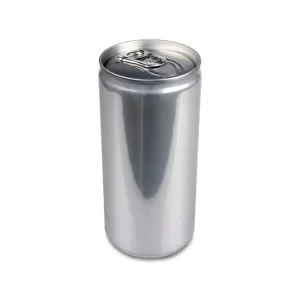
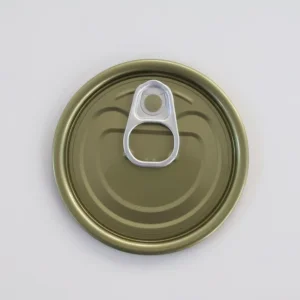
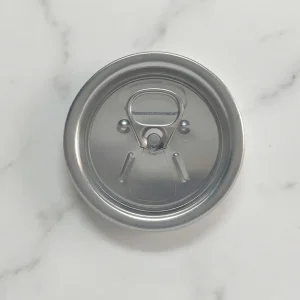
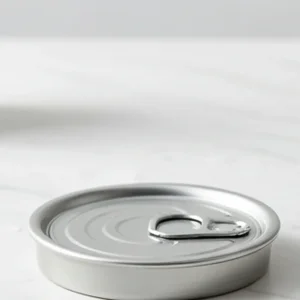
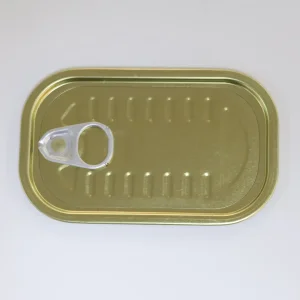
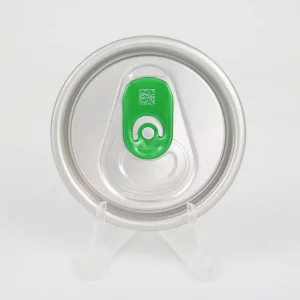
High-integrity metal packaging configurations, engineered shells, and hermetic compound-sealed end solutions qualified for beverage, nutritional powder, and high-pressure retort lines.
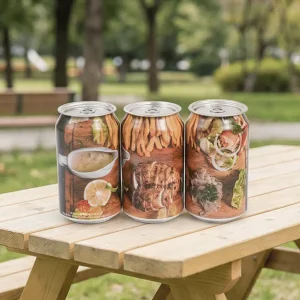
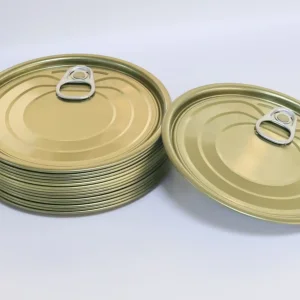
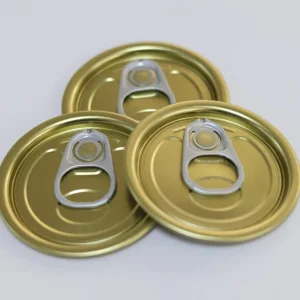
How upstream coil engineering, tight metallurgical tolerances, and Shanghai maritime cluster capabilities drive global procurement performance.
Global leading aluminum foil red manufacturers and converter suppliers utilize continuous hot-rolling and cold-finishing protocols. Alloys 3104-H19, 5182-H48, and 8011 tempers undergo rigorous secondary degassing and electromagnetic filtration to eliminate non-metallic inclusions, ensuring pinhole-free matrices down to ultra-thin gauges.
Coating lines deploy thermally cured epoxy-phenolic, organosol, and specialized BPA-NI (Bisphenol A Non-Intent) acrylic and polyester systems. Calibrated specifically for high-acid beverages and chemically aggressive food matrices, our internal linings pass rigorous 3% acetic acid, ethanol, and solvent double-rub cure validations.
Positioned immediately proximate to the Port of Shanghai—the world's busiest container hub—our logistics integration streamlines customs manifests, export containerization, and fumigated maritime palletization, eliminating intermodal delays and ensuring cargo traceability to over 40 export destinations.
Cross-border procurement demands rigorous regulatory alignment. We bridge sovereign trade standards with factory-direct material validation and audit-ready test reports.
All finished products, including aluminum beverage can shells, easy-open ends (EOE), and tinplate food lids, comply with strict FDA 21 CFR 175.300 requirements, European Commission Regulation (EU) No 1935/2004, Resolution CM/Res(2020)9 on metals and alloys, and China GB 4806.10 standards. Batch-traceable migration certificates are provided with every oceanic bill of lading.
Before launching high-volume production, our tooling and seaming engineers verify seamer chuck and roll profiles with overseas clients. By matching countersink depth, curl dimensions, and lining compound volume against your exact seamer model (e.g., Angelus 60L/120L, Ferrum F700 series), we eliminate seaming wrinkles, false seams, and cut-seams on initial ramp-up.
Container transit across equatorial waters exposes metal stock to severe condensing moisture and thermal fluctuations. Our testing infrastructure enforces salt-spray resistance (ASTM B117), micro-crack copper sulfate enamel testing, and pressure autoclaving to verify that red lacquered and clear-coated materials resist oxidation during long-haul transit.
Tailoring raw metal selection, sealing compounds, and tab mechanics to distinct product preservation demands.
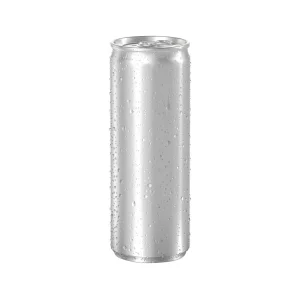
Craft beers, sparkling tonics, and energy drinks exert intense internal pressure reaching up to 6.2 bar during tunnel pasteurization. Engineered 202# SOT (Stay-On Tab) lids manufactured from 5182-H48 aluminum alloy with water-based PVC-free sealing compounds provide reliable buckle performance and controlled venting safety.
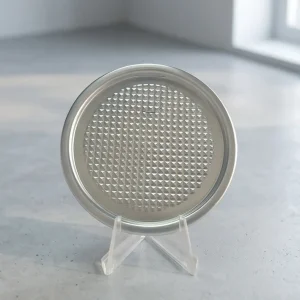
Nutritional milk powders and premium single-origin whole coffee beans require total oxygen exclusion and zero-leakage nitrogen flush barriers. Large-format 401# and 502# peel-off foil membranes and aluminum easy-open ends prevent lipid oxidation, moisture ingress, and micro-particle contamination during protracted shelf cycles.
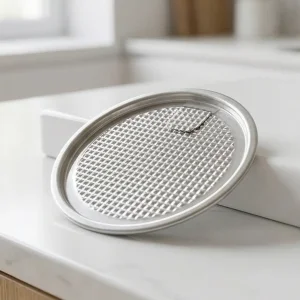
Canned legumes, pet nutrition proteins, and tomato purees undergo aggressive commercial sterilization at 121°C (250°F) under elevated counterpressure. Our tinplate and coated aluminum lids feature organosol protective layers designed to avoid sulfur staining, feathering, and barrier degradation under thermal shock.
How international ESG requirements and carbon tariffs (such as EU CBAM) are redefining metal packaging supply agreements globally.
Through finite-element simulation of stress concentration points on can chimes and countersinks, manufacturers can reduce raw aluminum coil thickness by 8% to 12% without sacrificing axial crush strength or internal pressure holding capability, delivering measurable material savings and lower freight weights.
Aluminum represents a virtually permanent material capable of being recycled indefinitely with 95% energy savings compared to primary smelting. Chinese export supply chains increasingly incorporate clean pre- and post-consumer scrap (PCR) with full traceability declarations, directly satisfying European Union Corporate Sustainability Due Diligence and carbon border rules.
Integration of high-speed 360-degree inline optical vision inspection stations directly after the cupping, bodymaking, and curling presses guarantees 100% automated rejection of dented curls, pinholes, flange non-uniformity, and compound skips at speeds surpassing 2,000 components per minute.
Direct, engineer-verified answers to critical procurement, quality control, and filling line matching questions.
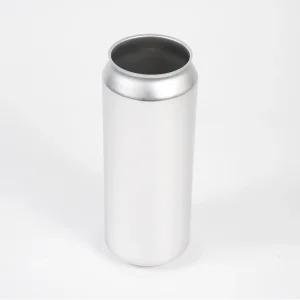
Can bodies are precision-drawn from continuous-cast 3104-H19 aluminum alloy characterized by superior tensile ductility. Easy-open ends are produced from 5182-H48 shell stock with elevated magnesium content to provide buckle resistance, while tabs utilize 5052-H19 temper for tear ductility. Plain and lacquered coil for food lids is supplied in 8011 and 3104 tempers, fully accompanied by mill test certificates (MTC) stating composition and mechanical yield tolerances.
For standard bright (unprinted) aluminum cans, minimum order quantities start at one 20-foot or 40-foot HQ container. Custom-decorated and multi-color dry-offset printed cans typically carry an initial order threshold of 100,000 units per design to offset plate calibration and lacquer staging. Standard inventory ends (200#, 202#, 307#, 401#) ship from stock lots starting from 200,000 units within 15 working days.
All internal coatings are applied via precision roll coaters or high-speed reciprocal electrostatic spray guns. Linings undergo complete non-intent migration screening according to FDA 21 CFR 175.300 and EU Regulation 1935/2004 standards. Enamel rater testing (WACO Enamel Rater II) confirms electrical conductivity across the can interior remains consistently under 5.0 mA, proving complete barrier continuity without micro-fracturing along the necking radius.
Can bodies are palletized with solid-wood top frames, heavy-gauge kraft slip sheets between tiers, and outer stretch-hood shrink wrapping with UV and water-barrier polymers. Lids and ends are nested inside heat-sealed polyethylene sleeves, packed within heavy-wall corrugated cartons or high-density fiber drums containing active silica desiccant bags to prevent vapor condensation during passage through multi-climate shipping zones.
Procuring partners provide their seamer make, chuck part number, running line speed, and liquid product parameters. We issue comprehensive engineering drawings detailing end curl angle, countersink depth, and flange width. A production-run trial sample lot is provided for initial dry cycles, seamer setup adjustments, and optical double-seam teardown evaluation (measuring overlap, seam tightness, and body hook integrity) before dispatching commercial freight.
Specialized closures, sleek profile cans, space-saving lightweight powder lids, and food-grade tinplate configurations.