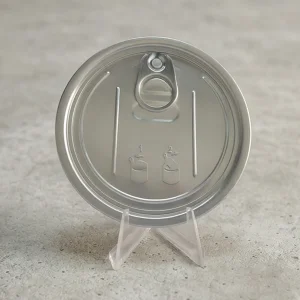
Explore our certified range of empty aluminium cans, easy-open ends (SOT/RPT), food-grade tinplate lids, and premium aluminium coils manufactured to rigorous ISO9001 and FSSC 22000 specifications.
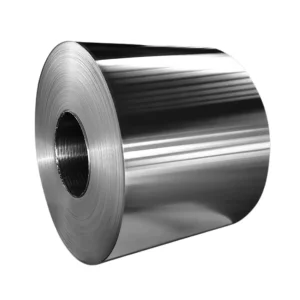
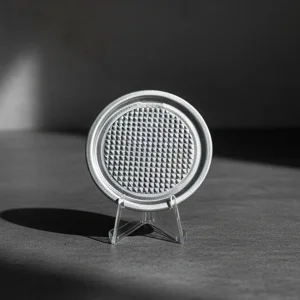
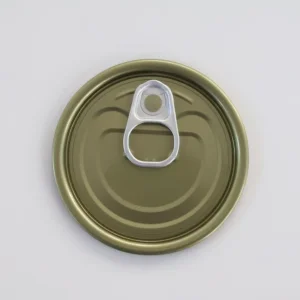

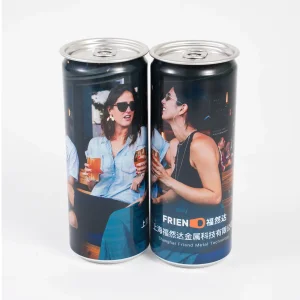
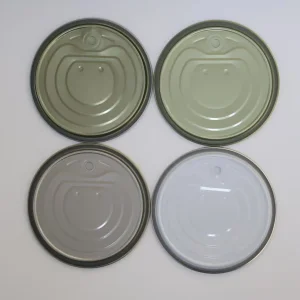
Analyzing the structural migration toward rigid metal containers, circular economy mandates, and supply chain resilience for enterprise FMCG brands.
The global packaging sector is undergoing a monumental paradigm shift. Driven by stringent global plastic-reduction mandates, extended producer responsibility (EPR) legislation, and evolving consumer preferences for eco-conscious products, beverage manufacturers, food processors, and industrial packagers are aggressively substituting single-use polymers and fragile heavy glass with high-integrity rigid metal packaging. Within this macro transformation, China has emerged as the premier manufacturing hub for precision-engineered empty tinplate cans, drawn-and-wall-ironed (DWI) aluminium beverage containers, and specialized easy-open lid closures.
Aluminium and tinplate represent true permanent materials. Unlike polymers that suffer downcycling, empty metal cans are infinitely recyclable without loss of structural or barrier properties. Over 75% of all aluminium ever mined remains in active productive use today, achieving a CAN-to-CAN closed loop in under 60 days.
Modern automated bottling and canning lines demand dimensional consistency within tolerances measured in hundredths of a millimeter. High-grade empty tin cans and aluminium bodies provide superior axial loading strength (exceeding 1.4 kN) and flawless double-seam double-curl geometry, suppressing line stoppage risks even at ultra-high filling speeds up to 2,000 cans per minute.
Empty metal cans offer zero oxygen transmission rate (OTR) and zero water vapor transmission rate (WVTR). This total barrier protection protects light-sensitive polyphenols in craft beers, prevents lipid oxidation in infant nutritional powders, and preserves nitrogen charge pressures in RTD coffee formulations across multi-year ambient shelf lives.
SEO Intent Insight & Technical Gain: Sourcing empty metal containers requires evaluating structural alloy tempers (such as 3104-H19 for drawn bodies and 5182-H48 for ends), specialized interior coating chemistries (BPA-Non-Intent epoxies, acrylics, or organosols), and seamer chuck-to-curl interaction. Evaluating these parameters prevents flange micro-cracking and guarantees double seam tightness during thermal processing (sterilization/retort up to 121°C).
From an economic perspective, China's metal packaging enterprise ecosystem offers unparalleled vertical integration. Sourcing raw materials from premier primary aluminium smelters and tinplate cold-rolling mills (utilizing low-earing 3104, 5182, 5052, and 8011 alloys), integrated factories like Shanghai Friend Metals execute high-speed coil lacquering, multi-color dry offset lithography printing, precision body drawing, end stamping, and automated video-inspection under one unified quality management system.
Advanced metallurgical properties, alloy tempers, lining performance metrics, and double-seam dimensional tolerances.
| Category | Alloy & Temper | Thickness / Gauge | Internal Coating System | Destructive / Pressure Threshold | Primary Industrial Application |
|---|---|---|---|---|---|
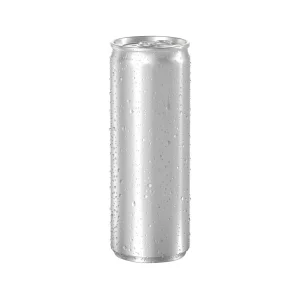
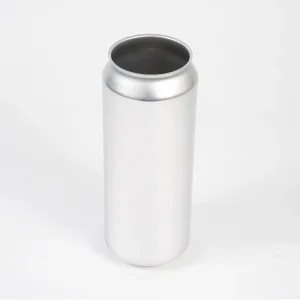
| Standard 330ml / 355ml Can | Aluminium 3104-H19 | 0.245 mm - 0.265 mm | BPA-NI Modified Acrylic / Epoxy-Free | Buckle Pressure > 6.2 bar; Axial > 1.4 kN | Beverage CSD, Beer, Cider, Sparkling Water |
| Sleek 330ml / Slim 250ml Can | Aluminium 3104-H19 | 0.235 mm - 0.250 mm | Waterborne Organosol / Polyester | Buckle Pressure > 5.8 bar | Energy / RTD Energy Drinks, Hard Seltzers, Ready-to-Drink Cocktails |
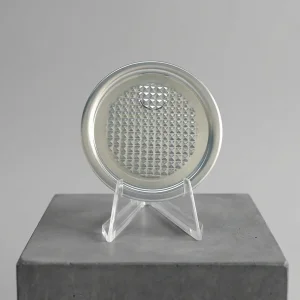
| 202# SOT / RPT Easy-Open End | Aluminium 5182-H48 (Shell) 5052-H19 (Tab) |
0.205 mm - 0.220 mm | BPA-NI Vinyl / Polyorganosol | Pop & Pull Values: Pop < 30 N, Pull < 45 N | Closures High-Speed Beverage Seaming Lines |
| 209# / 300# / 401# / 502# Powder End | Aluminium 8011-O / 5052 or Tinplate MR-T3 |
0.180 mm - 0.230 mm | Retort-Proof Epoxy Ester / Organosol | Nitrogen Flush Sealing (Oxygen < 0.5%) | Nutrition Infant Formula, Protein Powder, Coffee, Dry Food |
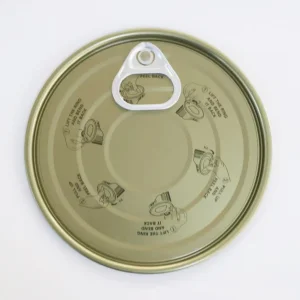
| 211# / 307# / 603# Tinplate Lid | Tinplate MR Grade T3 / T4 (Coating E2.8/2.8) | 0.190 mm - 0.280 mm | Gold Organosol / White Pigmented Epoxy | Retort Withstand 121°C for 60 min | Food Processing Canned Vegetables, Meat, Seafood, Pet Food |
Tailoring substrate chemistry, internal lacquers, and export shipping protocols to local regulatory frameworks across North America, Europe, Asia-Pacific, and Latin America.
Carbonated beverages require high internal pressure performance. Our 330ml, 355ml (12oz), and 500ml standard cans feature precision-necked 202 ends capable of maintaining structural integrity under CO₂ volumes up to 4.2. Internal lacquer coatings undergo rigorous Enamel Rater testing (below 0.05 mA) to prevent acid interaction with raw aluminium walls, preventing off-flavors and product degradation over a 24-month shelf life.
Nutraceutical and dairy applications call for strict oxygen and moisture barrier performance. Empty tinplate cans paired with 300#, 401#, and 502# aluminium peel-off or easy-open lids undergo vacuum and nitrogen-flushing cycles during filling to reduce headspace residual oxygen below 0.5%. This protects sensitive vitamins, fats, and probiotics from oxidative degradation in high-humidity tropical climates.
For high-temperature processing (sterilization at 121°C–131°C under overpressure), tinplate lids (such as 211# and 307#) are coated with specialized retort-stable organosol linings. These resist aggressive organic acids, sulfur compounds, and salt brine while maintaining seam tightness during thermal expansion and rapid cooling cycles in commercial pressure retorts.
Navigating global regulatory compliance requires thorough documentation for every production batch shipped overseas. Products manufactured by Shanghai Friend Metals comply strictly with international food-contact laws:
Export Shipping Logistics Protocol: Empty tin cans and aluminium bodies are bulk-palletized on heat-treated ISPM-15 wooden or plastic pallets, separated by anti-static kraft slip sheets, secured with top frames, and sealed in multi-layer stretch hood shrink wrap. High-absorption desiccant bags and VCI (Vapor Corrosion Inhibitor) liners prevent humidity condensation during trans-equatorial ocean transit.
Pioneering ultra-lightweighting alloys, bio-based non-intent coatings, and AI-driven high-speed optical inspection in metal packaging manufacturing.
Through advanced finite element analysis (FEA) and modified punch geometry in DWI drawing presses, container wall thickness is being reduced down to 0.088 mm while preserving column strength. Lightweighting reduces scope 3 embedded carbon emissions without compromising seaming performance or dome buckle resistance.
Moving beyond first-generation epoxy substitutes, our R&D roadmap integrates plant-derived bio-resins and water-based acrylic organosols. These next-generation internal lacquers provide superior flexibility during necking and flanging while ensuring zero migration of endocrine-disrupting chemicals into delicate beverage formulations.
Our automated high-speed press lines utilize multi-camera deep learning computer vision systems. Every empty tin lid and aluminium can flange is checked in real-time for micro-burrs, coating pinholes, tab alignment errors, and rim deformation at speeds exceeding 3,000 parts per minute, ensuring zero-defect delivery.
In-depth responses from our senior packaging engineers regarding double-seam matching, MOQ, coating selection, and line integration.
Complete your container sourcing with our full range of specialty food lids, slim beverage cans, and precision-rolled aluminium coil stock.