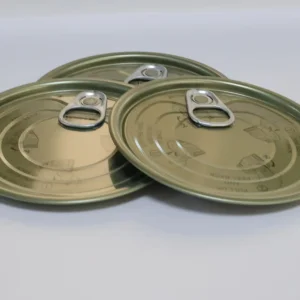
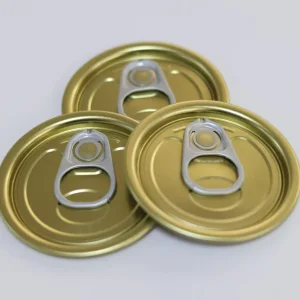
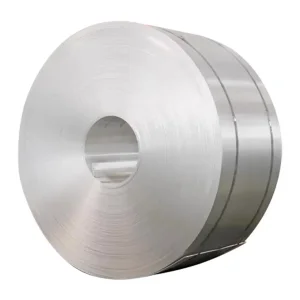
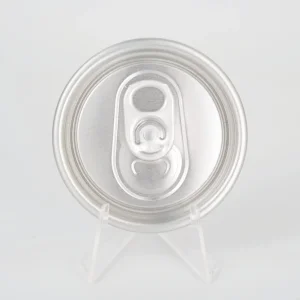
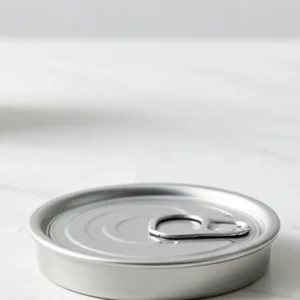
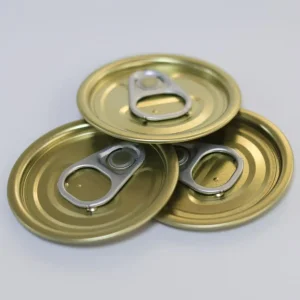
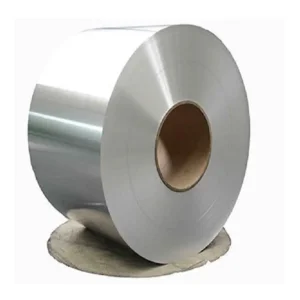
Explore our flagship, food-grade aluminum coils, airtight easy-open ends (EOE), stay-on tabs (SOT), and specialized tinplate lids engineered for high-speed filling lines and extended shelf-life integrity.
The global metal packaging market is undergoing a structural transition toward infinitely recyclable, lightweight, and high-barrier rigid packaging solutions. As global brands respond to strict ESG mandates, Extended Producer Responsibility (EPR) legislation, and shifting consumer preferences, container aluminum and specialized tinplate ends have emerged as the premier material class. Operating at the intersection of metallurgical precision and advanced polymer barrier chemistry, modern container aluminum products—ranging from 3104-H19 deep-drawn can body stock to 5182-H48 shell stock and non-magnetic aluminum easy-open ends—provide uncompromised protection against oxygen ingress, ultraviolet light exposure, and structural deformation under elevated thermal processing.
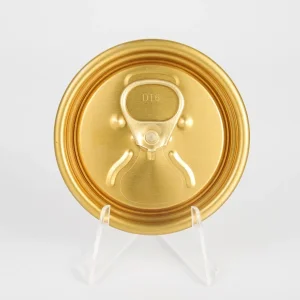
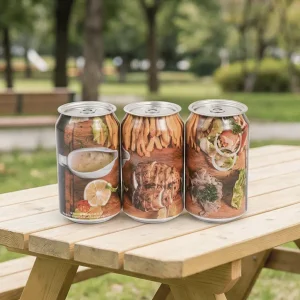
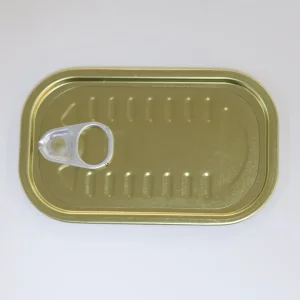
Modern B2B enterprise buyers require clear technical data, standardized tolerances, and transparent supply chain metrics rather than superficial marketing claims.
From raw bauxite refining to precision cold rolling and automated high-speed stamping line integration.
China controls over 55% of global primary aluminum production. Top-tier Chinese suppliers utilize advanced electromagnetic stirring and vacuum degassing technologies during ingot casting, ensuring hydrogen content remains below 0.12 cm³/100g Al. This extreme purity prevents micro-pinholes during continuous casting and cold rolling of 3104 and 5182 alloys.
Utilizing state-of-the-art Minster and Stolle multi-lane conversion presses, production runs operate at speeds exceeding 3,000 ends per minute per lane. Shell stock converted into 202 SOT, 206 RPT, or 401 EOE maintains dimensional variances under ±0.015 mm, guaranteeing flawless high-speed seaming performance on customer filling lines.
Advanced roller-coating facilities apply non-intent bisphenol A (BPA-NI) acrylic, organosol, or epoxy-phenolic lacquers with film weights calibrated between 6.0 to 12.0 g/m². These interior protective coatings resist aggressive acid ions in citrus beverages, carbonated soft drinks, and high-salt canned goods.
Below is a detailed engineering reference table outlining the chemical composition, temper designation, mechanical properties, and primary container packaging applications for aluminum products sourced from leading Chinese manufacturing hubs.
| Alloy Code | Temper | Thickness (mm) | Tensile Strength (MPa) | Yield Strength (MPa) | Elongation (%) | Core Application Scenarios |
|---|---|---|---|---|---|---|
| 3104 | H19 | 0.240 – 0.285 | 270 – 310 | 255 – 295 | ≥ 3.0 | Two-piece Drawn & Wall-Ironed (DWI) beverage can bodies |
| 5182 | H48 / H19 | 0.200 – 0.240 | 360 – 410 | 310 – 360 | ≥ 5.0 | High-strength Easy-Open Ends (EOE), 202 SOT / RPT shell stock |
| 5052 | H38 / H19 | 0.220 – 0.360 | 290 – 340 | 240 – 290 | ≥ 4.0 | Pull tabs, recloseable rivets, industrial aerosol end closures |
| 8011 | H14 / H16 | 0.150 – 0.220 | 140 – 180 | 120 – 160 | ≥ 6.0 | Peel-off foil membrane seals, milk powder lids, pharma closures |
Navigating international food contact regulations, audit protocols, and zero-defect quality control systems.
All container aluminum coils, internal lacquers, and sealing compounds strictly comply with US FDA 21 CFR 175.300, EU Regulation (EC) No 1935/2004, and Chinese National Standard GB 4806.10. Third-party testing reports from SGS, Intertek, or TÜV are supplied with every shipment batch to guarantee overall migration limit compliance.
To prevent oxidation, salt-air corrosion, and physical damage during transoceanic transit, export aluminum coils are wrapped in anti-rust VCI film, enclosed in heavy-duty galvanized steel outer shields, and mounted on heat-treated ISPM-15 compliant wooden pallets with vertical or horizontal eye orientation.
Precision stamping plants utilize integrated high-speed vision systems that inspect 100% of finished ends for scoring defects, curling malformations, tab misalignment, and micro-cracks. Enamel rater equipment tests post-curling lacquer conductivity to ensure values remain below 0.5 mA.
Production ecosystems hold ISO 9001:2015 Quality Management Systems, ISO 22000 / FSSC 22000 Food Safety, Halal, and Kosher certifications. Detailed Batch Traceability Records allow tracking from finished container lot numbers back to the exact primary aluminum melt charge.
Tailoring container aluminum properties to specific food, beverage, pharmaceutical, and industrial packaging requirements.
Scenario Requirement: Internal carbonation pressure reaches 60–90 PSI. Requires 5182-H48 202 SOT ends with high buckle strength (≥ 6.2 bar) and modified score line depth to prevent accidental bursting during pasteurization while maintaining smooth opening effort (pop & pull forces < 30 N).
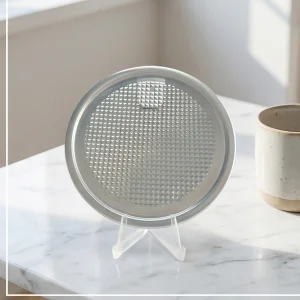
Scenario Requirement: Zero-oxygen packaging environment. High-diameter ends (such as 401# and 502#) incorporate aluminum peel-off foil membranes heat-sealed onto tinplate or aluminum ring collars, offering anti-counterfeiting features, scoop support, and easy peelability without sharp metal edges.
Scenario Requirement: Non-magnetic aluminum easy-open ends eliminate magnetic interference during online metal detection procedures. Sealing compounds incorporate synthetic rubber elastomers providing hermetic seal integrity against humidity degradation in tropical climates.
How decarbonization, alloy lightweighting, and circular economy requirements are transforming next-generation metal packaging.
Reducing gauge thickness from 0.220 mm to 0.208 mm for end shells saves thousands of metric tons of primary aluminum annually. Through finite element analysis (FEA) and optimized countersink geometry, modern lightweight ends maintain identical internal pressure resistance while lowering transport emissions.
Leading Chinese aluminum mills are expanding closed-loop scrap recycling infrastructure. Next-generation 3104 and 5182 container sheet stock incorporates up to 80% recycled content, decreasing embodied energy consumption by 95% compared to virgin aluminum refining.
With tightening international chemical regulations, research focuses on bio-based polyester and water-borne acrylic interior spray coatings that eliminate fluorinated surfactants (PFAS) and bisphenol derivatives without altering beverage flavor profiles.
Direct technical answers addressing seamer setup, minimum order quantities, coating safety, and ocean freight protection.
Review our second tier of precision-manufactured container products available for worldwide export and custom enterprise contracting.
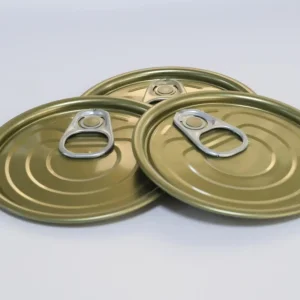
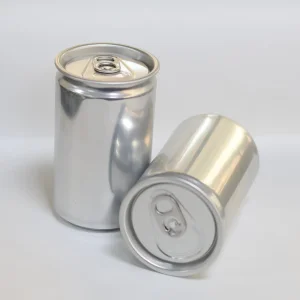
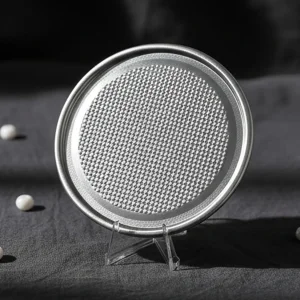
Whether you require customized coil slitting widths, specific interior lacquer formulations for unique beverage chemistries, or container sample lots for double-seam teardown evaluation, our packaging engineers are available to review your technical drawings and provide rapid FOB/CIF quotations.
