Direct factory supply featuring precision-engineered tinplate lids, sleek aluminum cans, and sterile powder closures manufactured under strict ISO and BRCGS standards.


An authoritative analysis of global supply chain dynamics, metallurgical advancements, decarbonization imperatives, and material performance criteria shaping international enterprise procurement.
The global metal packaging and aluminum foil container market is undergoing an unprecedented structural transition. Driven by stringent global sustainability mandates, corporate environmental, social, and governance (ESG) commitments, and evolving consumer preferences away from single-use plastics, enterprise buyers are increasingly turning to advanced aluminum alloys and high-barrier metal closures. China’s advanced manufacturing ecosystem stands at the center of this transformation, offering high-precision cold-rolling mills, state-of-the-art lacquering technologies, and fully automated stamping capabilities that meet the exacting standards of multinational food, beverage, pharmaceutical, and consumer goods conglomerates.
"Information Gain Paradigm: Modern metal packaging engineering is no longer solely about volumetric containment; it is an integrated thermal, metallurgical, and barrier-protection discipline designed to maximize shelf-life, minimize transportation carbon density, and optimize automated filling line throughput."
Across the European Union, North America, and the Asia-Pacific region, regulatory frameworks such as the EU Packaging and Packaging Waste Regulation (PPWR) and Extended Producer Responsibility (EPR) schemes are forcing brand owners to evaluate the total lifecycle impact of their packaging assets. Aluminum stands out as a uniquely circular material—capable of infinite recycling without degradation of mechanical properties. Recycled aluminum requires 95% less energy to process compared to primary metal extraction, providing global buyers with an immediate pathway toward Scope 3 carbon reduction.
Understanding the microstructural properties of aluminum and tinplate substrates is crucial for enterprise procurement managers. Foil containers, beverage cans, and easy-open ends rely on tailored alloy chemistries optimized for formability, tensile strength, and corrosion resistance.
| Alloy Designation | Temper / State | Primary Application | Key Tensile Strength (MPa) | Core Metallurgy & Performance Benefit |
|---|---|---|---|---|
| AA 8011 | O / H14 / H22 | Large Foil Containers & Lids | 145 – 185 | High ductility, excellent barrier against light, moisture, and VOCs; optimal deep-drawing performance. |
| AA 3104 | H19 | DWI Beverage Can Bodies | 275 – 310 | Manganese-alloyed structure delivering ultra-high strength-to-weight ratio and precise wall ironing consistency. |
| AA 5182 | H48 | Easy-Open Shells & Ends | 360 – 410 | Magnesium-rich alloy providing superior buckle strength and pressure rating under high carbonation loads. |
| AA 5052 | H32 / H34 | Pull Tabs & Structural Handles | 210 – 260 | Excellent fracture toughness and fatigue resistance during repetitive opening stress cycles. |
| Food-Grade Tinplate | T2 - T4 / DR8 | Airtight Food Can Lids (211#, 603#) | 330 – 550 | E2.8/E2.8 tin coating weight delivering exceptional structural rigidity and hermetic seam integrity. |
Quantifiable production standards, automated quality control metrics, and global logistics performance indicators driving our international OEM/ODM partnerships.
Tailored packaging configurations designed to solve industry-specific thermal, chemical, and logistics challenges across commercial food processing, dairy nutrition, and beverage sectors.
Heavy-gauge AA 8011 aluminum containers designed for high-temperature commercial baking, blast freezing, and steam table distribution. High thermal conductivity ensures uniform heat distribution, reducing energy consumption during baking by up to 15%.
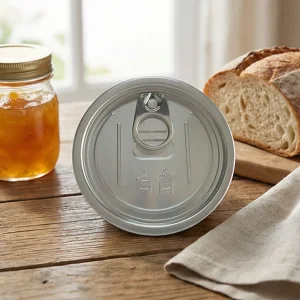
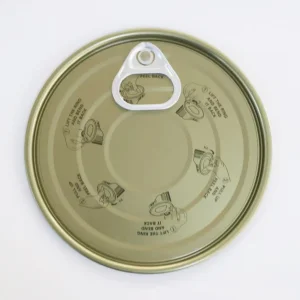
Airtight 401#, 502#, and 300# easy-open lids with specialized peelable foil membranes or solid metal ends. Engineered for nitrogen-flush sealing, achieving residual oxygen levels below 0.5% to eliminate oxidation and preserve long-term nutrient stability.
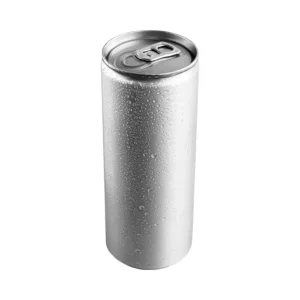
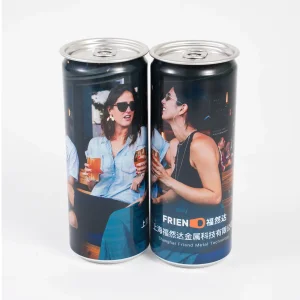
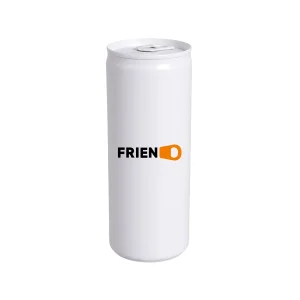
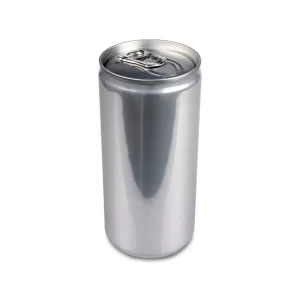
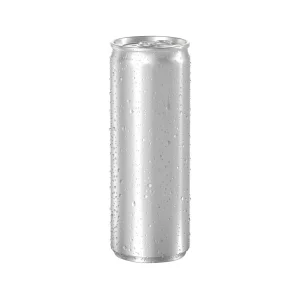
Sleek 330ml, 355ml, and slim 250ml aluminum cans combined with 202# Stay-On-Tab (SOT) and Red-Pull-Tab (RPT) ends. Designed to withstand internal pressures up to 6.2 bar while providing complete protection against light ingress and oxygen degradation.
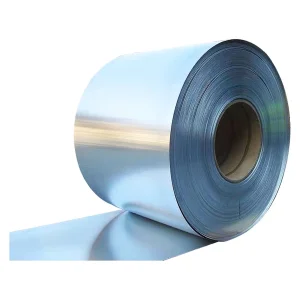
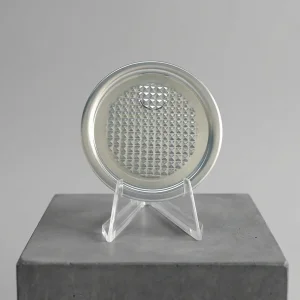
305# sterilisable aluminum ends and specialized coil stock capable of surviving high-pressure autoclave retorting at 121°C–134°C. Non-reactive inner linings prevent contamination of sensitive medical powders and diagnostic reagents.
Designed for maximum container cube utilization. Bulk palletization, top-frame securing, and stretch-hood wrap systems protect against humidity fluctuations, ocean transportation vibration, and stacking stress during long-haul transit.
Assisting brand owners in establishing post-industrial scrap recovery programs. Our supply chain integrates certified recycled content coils (PCR/PIR), directly lowering the product carbon footprint (PCF) of end-user packaging.
rigorous quality management system (QMS) combining physical teardown testing, chemical migration analysis, and international regulatory alignment.
To ensure flawless performance on high-speed customer seaming lines, our quality control laboratories implement a multi-stage testing framework for every coil, batch, and production run:
Exporting to over 40 countries requires absolute compliance with national and regional food-contact standards. All products leaving our China manufacturing base are accompanied by comprehensive compliance dossiers:
High-performance aluminum coils, large-format tinplate lids, eco-friendly beverage cans, and sustainable closure systems ready for export dispatch.

Detailed technical answers to critical procurement, seaming, coating, and compliance questions asked by international buyers and packaging engineers.
