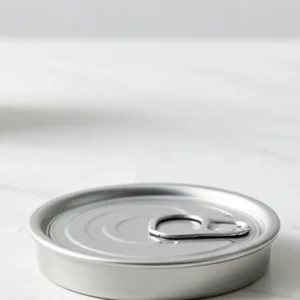
Engineered for high-speed filling lines, structural rigidity, and optimal shelf-life protection.
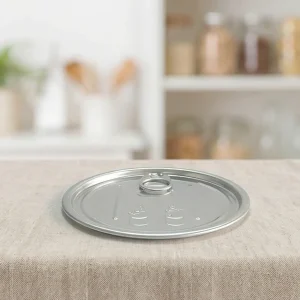
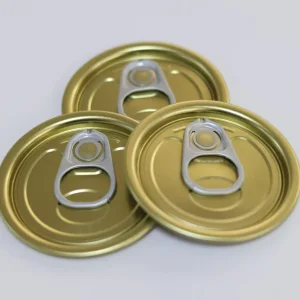
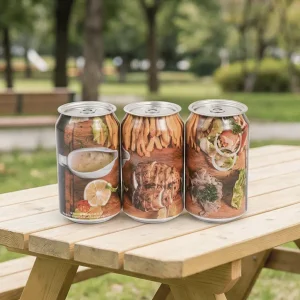
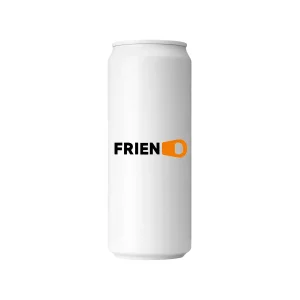
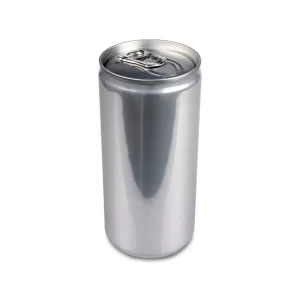
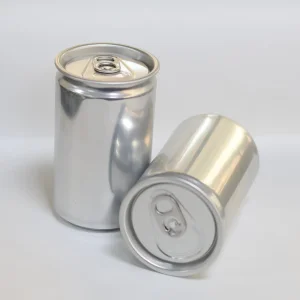
The global beverage and food packaging sector is undergoing a profound structural pivot towards infinitely recyclable aluminum solutions. As regulatory frameworks such as the European Union’s Packaging and Packaging Waste Regulation (PPWR) and global corporate ESG mandates accelerate, the traditional reliance on single-use Polyethylene Terephthalate (PET) and energy-heavy glass containers is rapidly declining. Within this transition, the 500ml aluminum beverage can (standard European Pint format) has established itself as the commercial benchmark for premium craft beer, ready-to-drink (RTD) cocktails, energy drinks, cold-brew coffees, and functional sparkling waters.
From an industrial manufacturing perspective, China's metal packaging supply ecosystem—anchored by specialized manufacturers such as Shanghai Friend Metals Technology Co., Ltd.—provides global brand owners, contract packers, and filling lines with unmatched technical flexibility, structural reliability, and cost-efficient scalability. Achieving operational efficiency in 500ml aluminum can procurement requires a deep understanding of metal metallurgy, neck-down geometry, internal barrier lacquers, high-speed double-seam double-curl mechanics, and regional compliance mandates.
Statistical telemetry across North American and European filling networks indicates a 14.8% Year-over-Year volume migration from 330ml/355ml formats toward 500ml sleek and standard bodies. This shift optimizes transit payload densities while delivering superior consumer unit economics for premium beverage categories.
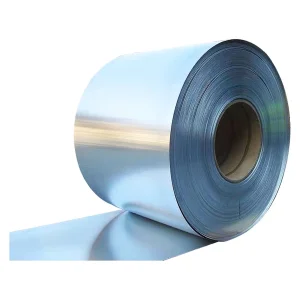
Manufacturing a high-performance 500ml aluminum can involves drawn and wall ironing (DWI) technology, requiring strict chemical compositions and mechanical tempers. Can bodies are typically formed from AA3104-H19 aluminum coil, engineered specifically for extreme wall ironing ratios without micro-fracturing or wall thinning failure under internal carbonation pressure.
| Parameter / Component | Standard 500ml Body | Easy-Open End Shell (202#) | Pull Tab Alloy |
|---|---|---|---|
| Alloy Designation | 3104-H19 Alloy | 5182-H48 Alloy | 5052-H19 / 5052-H38 |
| Nominal Gauge Thickness | 0.250mm ± 0.005mm | 0.208mm – 0.224mm | 0.360mm ± 0.008mm |
| Axial Load Capacity | ≥ 1.40 kN (1400 N) | N/A | N/A |
| Buckle Pressure Rating | ≥ 6.2 Bar (90 PSI) | ≥ 6.5 Bar (94 PSI) | N/A |
| Internal Coating System | BPA-NI Modified Acrylic / Polyester | BPA-NI Epoxy / Organosol Vinyl Free | Clear Anodized / Color Coated |
| Enamel Rater Pass Value | < 2.0 mA (1% NaCl solution) | < 0.5 mA (1% NaCl solution) | N/A |
The chemical integrity of liquid beverages—ranging from highly acidic craft ciders (pH 2.6) to nitrogenated stouts and mineral-fortified isotonic drinks—demands robust internal lining protection. Shanghai Friend Metals applies advanced BPA-Non-Intent (BPA-NI) polymeric lining systems. These modified cross-linked polyester and acrylic resins form an impermeable barrier preventing aluminum ion migration, maintaining flavor fidelity, and protecting against pitting corrosion over extended shelf lives (12–24 months).
Precise body wall wall-ironing tolerance control maintains structural axial strength while minimizing overall tare weight to under 13.5 grams per 500ml can body.
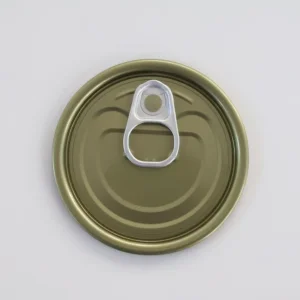
Optimized 202 neck-down flange profile ensures zero-defect double seaming performance on high-speed rotary seamers (Ferrum, Angelus, pneumatically actuated seamers).
100% online electro-conductive pinhole detection guarantees lining continuity, keeping enamel rater leakage current below critical industry thresholds (<2.0mA).
Deploying metal packaging globally requires strict compliance with international food contact regulations. Manufacturers must provide verifiable laboratory documentation and robust quality control throughout the production cycle. Shanghai Friend Metals Technology Co., Ltd. operates under rigid ISO 9001 and FSSC 22000 management protocols, guaranteeing full compliance for shipments across North America, Europe, Asia-Pacific, and Latin America.
All internal resin systems undergo rigorous overall migration testing (OMT) using food simulants (3% Acetic Acid, 10% Ethanol, 50% Ethanol) to verify chemical inertness, ensuring complete safety compliance under US and European food contact safety guidelines.
Strict raw material supply chain screening certifies zero detection of Lead (Pb), Cadmium (Cd), Mercury (Hg), and Hexavalent Chromium (Cr VI), keeping total heavy metal concentration well below 100 ppm per CONEG and EU Directive 94/62/EC.
Preventing micro-leakage and seam failure during thermal pasteurization or carbonated storage requires proper double-seam geometry. Friend Metals provides comprehensive seam engineering teardown analysis reports with every shipment batch, establishing baseline settings for your inline double-seamer setup:
Tailored aluminum container and closure formulations tailored for specific liquid viscosities, gas volumes, and shelf environments.
High barrier against dissolved oxygen (DO) ingress prevents oxidation. Supports tunnel pasteurization pressure cycles up to 15-20 Pasteurization Units (PU).
Acid-resistant internal epoxy/acrylic lacquers engineered specifically to resist aggressive citric acid, taurine, and ascorbic acid formulations without liner breakdown.
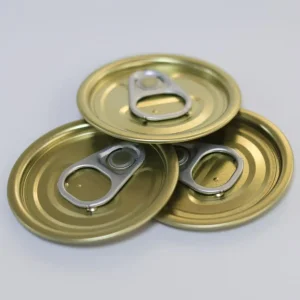
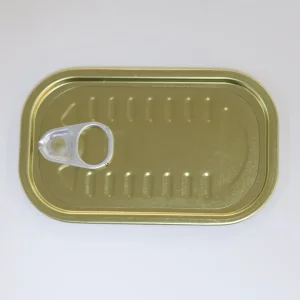
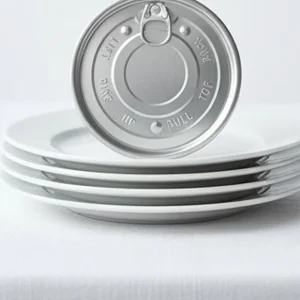
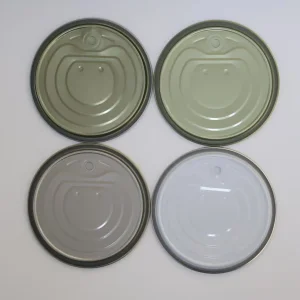
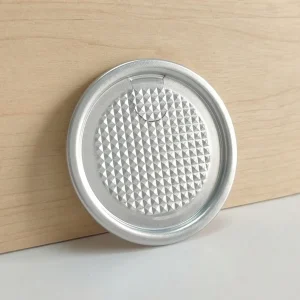
Airtight aluminum easy-open ends (200#, 401#, 502#) paired with non-magnetic pull tabs designed for infant formula, protein powders, and medical nutritional packaging.
The next decade of metal packaging will be defined by deep material decarbonization, intelligent surface finishes, and extreme lightweighting. Shanghai Friend Metals is actively advancing technical initiatives designed to optimize material efficiency while reducing carbon footprint across the global supply chain:
Increasing recycled aluminum content in 3104 alloy body stock up to 85%+, reducing embodied carbon by over 60% compared to primary virgin aluminum smelting.
Transitioning standard 500ml body coil thickness from 0.250mm down to 0.230mm through advanced strain-hardening technologies, maintaining 1.40kN axial crush strength.
Replacing traditional printing plates with high-speed digital inkjet decorating lines (up to 1200 DPI), enabling low MOQ short-run customization for craft brands.
Eliminating solvent VOC emissions during the internal spraying process by introducing advanced waterborne cross-linked acrylic linings.
Preventing transit damage such as top-rim denting, scuffing, and moisture condensation during transoceanic shipping requires optimized export packaging setups. Friend Metals utilizes heavy-duty wooden/plastic pallets, top frames, high-tensile strapping, and full shrink-hooding:
| Container Type | Pallet Configuration | Standard 500ml Cans Load Capacity | 202# Easy-Open Ends Load Capacity |
|---|---|---|---|
| 40ft High Cube (HQ) Container | 26 Bulk Pallets (Stacked) | ~ 110,000 – 118,000 Pieces | ~ 1,400,000 – 1,600,000 Pieces |
| 20ft Standard Container | 10 Bulk Pallets | ~ 48,000 – 52,000 Pieces | ~ 650,000 – 700,000 Pieces |
In-depth engineering answers addressing key queries from procurement managers and master brewers.
Can bodies are drawn from 3104-H19 alloy for maximum wall strength and ductility. Easy-open ends (SOT/RPT) utilize 5182-H48 shell stock for elevated buckle resistance under carbonation pressure. Pull tabs are formed from 5052-H19 aluminum. Every shipment includes factory mill certificates confirming precise elemental analysis and mechanical grain structure.
Plain unprinted (bright) cans start at a minimum order threshold of one 20ft container (~50,000 units). For custom 6 to 8-color dry offset printed cans, standard MOQs begin at 100,000 units per design SKU due to inline printing plate setups and coating calibration runs.
Yes. All internal lacquer options are 100% BPA-Non-Intent (BPA-NI) and comply with US FDA 21 CFR 175.300, EU Regulation 1935/2004, and Chinese GB 4806.10 standards. Full chemical migration test reports accompany every production batch.
Cans travel on automated bulk wooden/plastic pallets with rigid top frames, heavy kraft slip-sheets between layers, and a full moisture-barrier stretch hood. Fiber drums containing easy-open lids include desiccant packs to prevent condensation and oxidation during transit.
Yes. Our packaging engineers assist with seamer tooling specs, countersink depth target data, end curl dimensions, and double-seam teardown evaluation protocols to ensure your seaming setup achieves zero micro-leakage.
Explore our specialized range of closures, sleek can profiles, and industrial-grade aluminum coils.