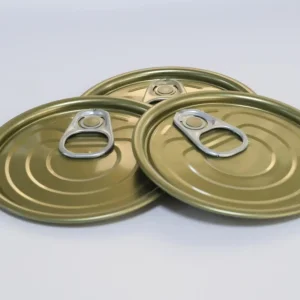
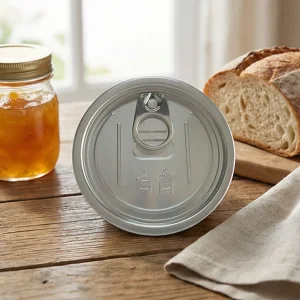
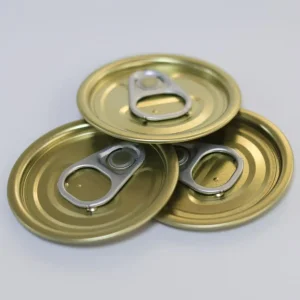
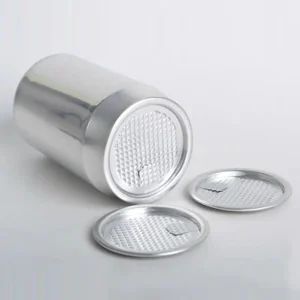
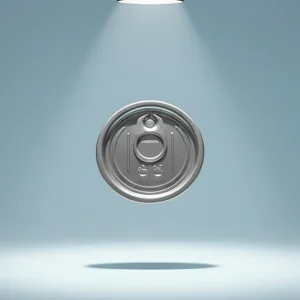
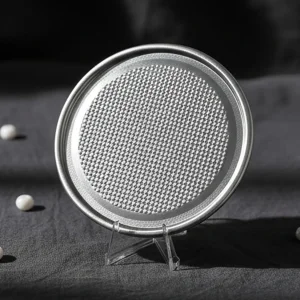
Engineered to match international double-seam standards, high pressure limits, and strict food-contact safety specifications. Below are top-tier aluminium cans and easy-open lids currently dispatched to global beverage and food industries.
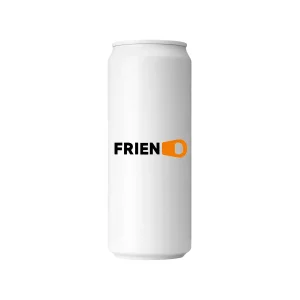
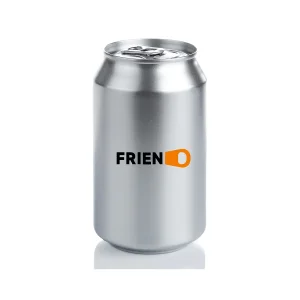
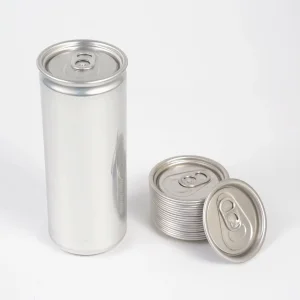
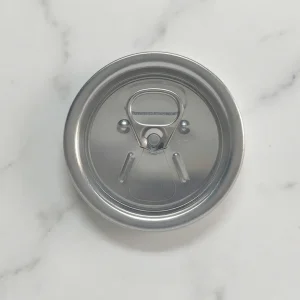

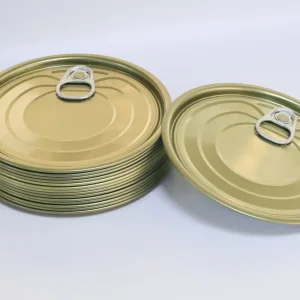
The global industrial container sector is undergoing a monumental shift toward zero-waste, infinitely recyclable, and high-barrier metal containment systems. Modern commercial enterprises are progressively phasing out single-use rigid plastics in favor of precision-drawn aluminium cans, tin jars, and specialized easy-open ends (EOE).
Driven by strict extended producer responsibility (EPR) legislation across Europe, North America, and East Asia, metal packaging has transformed from a mere commodity container into a strategic brand differentiator. Aluminium and tinplate present an unparalleled 100% circular life cycle: over 75% of all aluminium ever produced remains in productive economic circulation today. Unlike plastic polymer degradation during mechanical recycling, aluminium maintains its elemental structural integrity indefinitely during remelting, requiring 95% less energy than primary smelting.
Encompasses standard (330ml, 355ml, 473ml/16oz), sleek, and slim can profiles paired with 200#, 202# Stay-On Tab (SOT) and Ring Pull Tab (RPT) lids. Essential for carbonated beverages, craft beers, hard seltzers, ready-to-drink (RTD) cocktails, and sparkling mineral waters requiring high internal pressure resistance up to 6.2 bar.
Utilizes 300#, 305#, 401#, and 502# large-diameter aluminium and tinplate easy-open ends with peel-off foil membranes or full-aperture steel ends. Designed specifically for infant formula, protein powders, specialty coffee beans, and pharmaceutical-grade nutritional powders requiring hermetic seal isolation.
Employs seamless aluminium tin jars, screw-cap canisters, and heavy-duty tinplate lids (such as 603# format). Protects sensitive aromatic compounds, essential oils, chemical reagents, premium cosmetic pastes, and wax formulations against UV degradation, oxygen permeation, and volatile organic compound (VOC) leakage.
China’s emergence as the primary global hub for aluminium cans, tin jars, and closure systems is rooted in vertical industrial integration, advanced metallurgical processing, and unbeatable economies of scale across major manufacturing clusters in Shanghai, Zhejiang, Jiangsu, and Guangdong.
The operational excellence of modern Chinese factories stems from an integrated supply chain ecosystem. Unlike regional converters in other global zones who source raw coil, lacquers, tooling dies, and shipping logistics from disparate international vendors, top-tier Chinese manufacturing complexes operate directly alongside high-precision aluminum rolling mills (producing premium 3104-H19, 5182-H48, and 8011 coil stock).
Direct supply agreements with world-class aluminum smelting complexes guarantee stable coil grain structure, tight thickness tolerance (±0.002mm), and zero inclusions. High-speed cupping presses fed by ultra-wide lacquered coils ensure continuous 24/7 manufacturing operations with near-zero material waste.
Incorporation of world-leading press machinery—such as Stolle, Minster, and industrial CNC multi-die lines—enables production speeds exceeding 1,200 to 2,500 ends per minute per line. High-speed automated optical inspection (AOI) detects micro-defects down to 10 microns instantly.
Situated within hours of major deep-water ports (Shanghai, Ningbo, Qingdao), factories expedite sea freight via specialized containerized pallet loading. Bulk palletizing with top frames, kraft slip sheets, anti-vibration strapping, and stretch-hood moisture protection guarantees zero maritime transit damage.
High-speed beverage filling lines operating up to 1,200+ cans per minute demand uncompromising mechanical tolerances, strict double-seam geometry, and chemical barrier inertness. Understanding the alloy selection, coating science, and seam teardown parameters is vital for enterprise procurement leads.
Different sections of an aluminium container demand specific mechanical attributes. High tensile strength, ductility, work hardening, and corrosion resistance are carefully balanced across three primary alloys:
| Component Application | Alloy & Temper Spec | Yield Strength (MPa) | Key Performance Characteristics |
|---|---|---|---|
| Can Body Stock (DWI) | 3104-H19 | 270 - 310 MPa | Exceptional deep-drawing capability, uniform wall ironing down to 0.095mm, low earing percentage (<1.2%), optimal dome reversal pressure capability. |
| Easy-Open End Shell | 5182-H48 | 310 - 360 MPa | High magnesium content for superior tensile modulus and buckle resistance (>6.2 bar) under high internal carbonation loading. |
| Pull Tab Mechanism | 5052-H19 / H38 | 240 - 290 MPa | Optimized fatigue resistance and ductility preventing tab bending or detachment during high-velocity opening actuation. |
| Specialty Lids & Coil | 8011 / 3003 | 140 - 210 MPa | Superior deep-stamping workability, ideal for lacquered food powder ends, pharmaceutical foil seals, and cosmetic jar components. |
Direct contact between aggressive beverage liquid formulations (low pH fruit juices, acidic carbonated soft drinks, high-alcohol RTDs) or fatty food powders and raw metal matrix can lead to oxidation or taste alteration. Advanced coating barrier technology prevents metal ion migration:
Progressive transition from 0.208mm down to 0.180mm end shell gauges through AI-assisted finite element analysis (FEA), maintaining 6.2 bar pressure ratings while reducing overall metal footprint by 8-12%.
Adoption of renewable hydro-powered and inert anode smelting sources, dropping embedded Scope 1 and Scope 2 carbon intensity down to <4.0 kg CO2e per kg of finished aluminium.
Elimination of physical printing plates for short-run custom branding; laser-guided digital ink deposition and UV-LED curing allow flexible multi-SKU production batches directly on manufacturing lines.
To maximize performance across varied international markets, packaging engineering specifications must be tailored to regional consumption habits, climate stresses, and filling methodologies.
Primary Specs: 355ml (12oz) Standard & 473ml (16oz) King Cans matched with 202# Stay-on-Tab (SOT) or 202# Resealable (RPT) ends.
Technical Focus: High buckle resistance for microbreweries running counter-pressure filling lines. Internal BPA-NI lining rated for high-hop acids and alcohol contents up to 14% ABV.
Primary Specs: Sleek 330ml & Slim 200ml cans paired with ultra-lightweight 200# SOT ends.
Technical Focus: Strict compliance with EU Regulation 1935/2004 and plastic-tax avoidance. Requirements for super-clean matte varnishes, tactile embossing, and 100% PCR (post-consumer recycled) alloy content certificates.
Primary Specs: 300#, 401#, and 502# Easy-Open Tinplate & Aluminium Powder Lids with peel-off foil membranes.
Technical Focus: Hermetic oxygen barrier isolation (<0.5% residual O2 after nitrogen flushing) designed for high humidity warehousing. High-temperature retort resistance (121°C for 30 minutes) for sterile food safety.
Industrial buyer confidence relies on rigorous testing protocols, transparent batch traceability, and full compliance with international food-contact health standards.
Full conformance with FDA 21 CFR 175.300 (Resinous and Polymeric Coatings), EU Regulation 1935/2004, EU 10/2011, and China's national food safety standard GB 4806.10. ISO 9001, FSSC 22000, and ISO 14001 certified operational sites.
Engineered to interface seamlessly with major high-speed automated seamers (Ferrum, Angelus, CFT, Comaco). Every lot provides detailed seam dimensional reports: Hook lengths, Overlap percentage (>45%), Countersink depth, and Seam thickness tolerance.
Every single pallet is labeled with unique barcode identification tracking the raw coil heat number, lacquer batch lot, stamping press line ID, operator shift, and final QA sign-off date, guaranteeing rapid root-cause isolation if line anomalies occur.
Expert insights addressing critical technical, logistical, and commercial inquiries from global packaging procurement managers.
Can bodies are drawn from high-formability 3104-H19 aluminium coil stock, engineered specifically for deep drawing and wall ironing (DWI). Easy-open ends (EOE) utilize high-tensile 5182-H48 shell stock paired with 5052-H19/H38 tab stock to ensure maximum buckle strength (>6.2 bar) and easy tear initiation. Lacquered coils for lids and specialty packaging are supplied in 8011 and 3003 alloys tailored to depth requirements. Every shipment includes official factory chemical and mechanical mill test certificates.
For standard plain bright aluminium cans, MOQ starts at one 40ft High-Cube container (approx. 90,000 to 110,000 pieces depending on can height). Custom-printed cans (up to 8-color dry offset printing) have an MOQ of 100,000 pieces per design due to press setup and lacquer calibration. Standard easy-open ends (200#, 202#, 300#, 401#, 502#) maintained in rolling stock can ship within 10 to 15 working days for orders starting at 200,000 pieces.
Yes. All internal lacquer application systems feature certified BPA-NI epoxy or modified acrylic chemistry tested according to US FDA 21 CFR 175.300, European Regulation EU 1935/2004, and Chinese GB 4806.10 standards. Heavy metal migration, total organic carbon, and organoleptic sensory testing reports are provided per production run to ensure no off-taste transfer occurs in subtle beverage formulations.
We provide precision engineering support prior to full production. Clients provide their seamer chuck/roll tooling profiles and target line speeds. We issue engineering drawings specifying exact curl thickness, countersink depth, and compound lining weights. Additionally, we dispatch pre-production sample lots for client seam teardown testing (verifying optical seam overlap >45% and hook tightness >75%).
Cans are bulk-palletized on heat-treated ISPM-15 wooden or plastic pallets using heavy-duty kraft slip sheets, protective top wooden frames, high-tension vertical strapping, and complete stretch-hood foil wrapping. Easy-open ends are packed in moisture-sealed polyethylene sleeves inside heavy-duty corrugated cartons or fiber drums with desiccant packs, preventing oxidation, denting, or dust contamination across marine transit.
Explore additional high-performance metal packaging components, tinplate covers, powder lid closures, and specialized aluminium cans engineered by reliable China supplier networks.