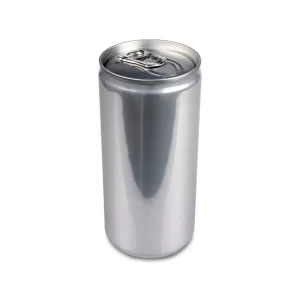
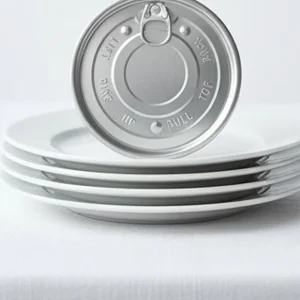
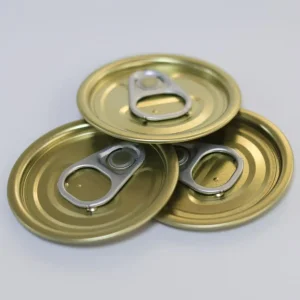
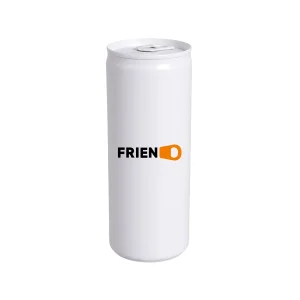
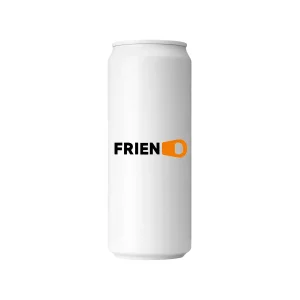
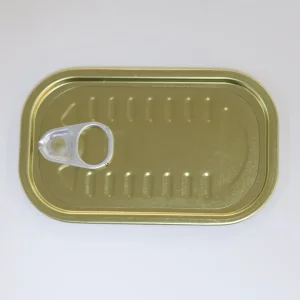
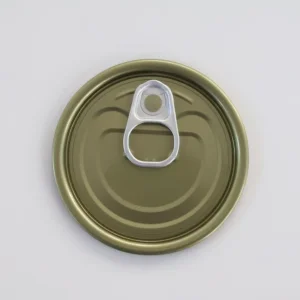
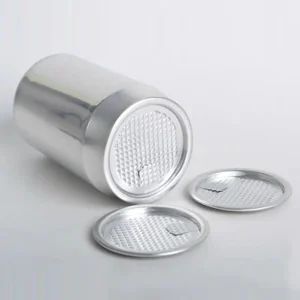
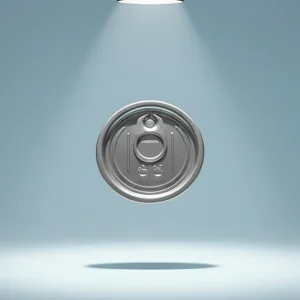
The international beverage packaging market is undergoing a seismic structural pivot toward metal packaging. Enterprise beverage brand owners, contract co-packers, and craft beverage conglomerates are systematically phasing out single-use Polyethylene Terephthalate (PET) and heavy glass containers in favor of sustainable, light-weight, high-barrier two-piece aluminum cans. Among all standardized packaging capacities, the 500ml (16.9 fl oz) format has established itself as the fast-growing flagship SKU globally.
Driven by shifts in consumer lifestyle, unit economics, and environmental legislation across North America, the European Union, and the Asia-Pacific region, 500ml aluminum cans represent the ideal intersection of volumetric efficiency, consumer portability, and brand real estate. In the fast-expanding categories of Ready-To-Drink (RTD) alcoholic beverages, craft beer, energy drinks, functional waters, and cold-brew coffees, global procurement directors require direct supply relationships with advanced manufacturing facilities capable of delivering millions of units with zero tolerance for seam failure or coating degradation.
Extended Producer Responsibility (EPR) regulations and European Green Deal mandates enforce strict closed-loop recycling quotas. Aluminum boasts a global recycling rate exceeding 70%, with recycled cans returning to shelf as new cans within 60 days, drastically outperforming plastic alternatives.
Aluminum's exceptional strength-to-weight ratio minimizes tare weight during long-distance intermodal logistics. Stacking 500ml cans optimizes truckload and sea-container cube utilization, reducing Scope 3 transportation carbon emissions by up to 35% compared to glass bottles.
The expanded 360-degree printable surface area of the 500ml can body allows high-definition dry offset printing, tactile varnishes, matte finishes, and thermochromic inks that significantly drive consumer point-of-sale conversion.
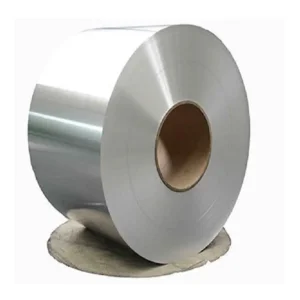
Manufacturing modern 500ml aluminum cans requires advanced mechanical engineering, high-precision metallurgy, and high-speed automation. Our manufacturing facilities utilize state-of-the-art Drawn and Wall Ironed (DWI) cup-forming and ironing technology, converting flat aluminum coils into seamless, ultra-thin container bodies capable of resisting severe internal pressurisations.
Can Body Stock (AA3104-H19): Formulated specifically for deep drawing and wall ironing. Manganese (1.0–1.5%) and Magnesium (0.8–1.3%) additives provide extreme strain hardening capabilities, allowing the middle wall thickness to be ironed down to an astonishing 0.095 mm while retaining structural axial strength.
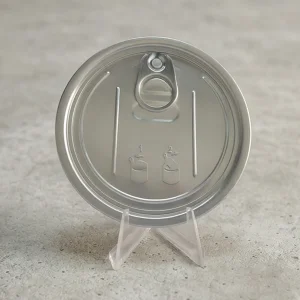
End & Tab Stock (AA5182-H48 & AA5052): High-magnesium alloys engineered for superior buckle resistance and fracture toughness under repeated opening forces.
To prevent liquid-to-metal contact, internal surfaces undergo precision spray-application of next-generation BPA-Non-Intent (BPA-NI) epoxy acrylic or modified polyester water-based resins. Coatings are cured at temperatures exceeding 200°C to achieve complete cross-linking. This guarantees zero flavor migration, preserves organoleptic properties, and prevents corrosion from aggressive low-pH beverages (such as sour beers, carbonated soft drinks, and citrus juices).
High-speed cupping presses stamp shallow disk cups from lubricated AA3104-H19 coils at speeds up to 3,000 cups per minute.
Concentric carbide rings iron the cup walls to target 500ml length while forming the inward concave bottom dome for pressure resistance.
Rotary knives trim uneven top edges to exact height. Multi-stage chemical washers scrub residual lubricants, followed by DI water rinsing.
Up to 8-color dry offset printing mandrels apply graphics, followed by clear protective rim varnish and high-temperature oven curing.
Automated airless guns spray uniform BPA-NI lacquer internally, ensuring consistent micron thickness from top neck to bottom dome.
Multi-station spin neckers gradually reduce top diameter to standard 202 or 206 openings. Light-leak and camera inspectors reject micro-defects.
Below is the standardized engineering dataset for our Global 500ml Aluminum Cans series. These parameters serve as the technical benchmark for automated high-speed filling lines (Krones, Tetra Pak, SIDEL, Cask, Wild Goose).
| Engineering Parameter | 500ml Standard Can Profile | 500ml Sleek Can Profile | Quality Testing Standard |
|---|---|---|---|
| Nominal Liquid Capacity | 500 ml (16.9 fl oz) | 500 ml (16.9 fl oz) | Volumetric Gravimetric Check |
| Body Outer Diameter | 66.00 ± 0.20 mm | 58.00 ± 0.20 mm | Laser Micrometer Calibration |
| Total Container Height | 168.00 ± 0.30 mm | 185.00 ± 0.30 mm | Digital Height Gauge |
| Neck Opening Diameter | 202 End (52.5mm) / 206 End | 200 End / 202 End | Go/No-Go Plug Gauge |
| Mid-Wall Thickness | 0.095 ± 0.005 mm | 0.102 ± 0.005 mm | Ultrasonic Thickness Meter |
| Bottom Dome Wall Thickness | 0.210 ± 0.010 mm | 0.225 ± 0.010 mm | Destructive Section Micrometer |
| Internal Pressure Resistance | ≥ 6.2 Bar (90.0 PSI) | ≥ 6.5 Bar (94.2 PSI) | Pneumatic Dome Buckle Tester |
| Axial Column Load Resistance | ≥ 1.40 kN (142 kgf) | ≥ 1.55 kN (158 kgf) | Universal Load Frame Tester |
| Internal Coating Porosity | ≤ 0.5 mA (Enamel Rater) | ≤ 0.5 mA (Enamel Rater) | 1% NaCl Electrolyte Current Test |
| Coating Weight (BPA-NI) | 45 – 65 mg/can (Application Dependent) | 50 – 70 mg/can | Gravimetric Ashing Method |
Procuring aluminum cans at scale demands absolute operational reliability. A disruption in can supply halts co-packing operations, resulting in catastrophic downtime costs. As a global tier-1 factory supplier out of China, our supply chain infrastructure is designed for high-volume contingency handling, cross-border compliance, and damage-free transport.
We operate under stringent Acceptable Quality Limit (AQL) protocols adhering to ISO 2859-1 standards. Visual defects, pinholes, and flange damage are maintained under Critical 0, Major 0.25, and Minor 0.65 thresholds, supported by automated vision inspection systems on every line.
Cans are arrayed on heavy-duty, clean heat-treated wooden or plastic pallets, separated by anti-static cardboard slip-sheets, secured with top frames, and wrapped in multi-layer stretch hood film to prevent oxidation and transport displacement.
Custom bulk-loading configurations maximize sea-freight economy. A single 40ft High Cube container accommodates up to 80,000–92,000 units of 500ml cans (depending on sleek vs. standard dimensions), significantly lowering landed unit costs.
Compliance with global food contact regulations is non-negotiable. Our products undergo rigorous chemical extraction testing verified by independent third-party laboratories (SGS, TÜV Rheinland, Intertek).
Ultra-Lightweighting (Gauge Reduction): Engineering R&D is currently deploying 0.088mm middle-wall tooling, aiming to reduce metal usage by an additional 4% without compromising axial crash limits.
Zero-Carbon Aluminum Sourcing: Partnering with hydro-powered smelters to supply low-carbon prime aluminum coils, driving container carbon intensity down to < 2.0 kg CO₂e per kg of aluminum.
Detailed technical answers compiled by our chief packaging engineers to assist procurement managers and quality assurance directors during supplier vetting.