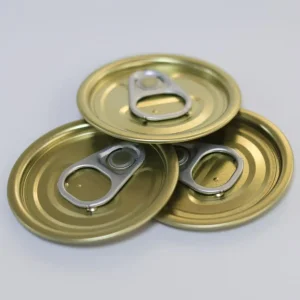
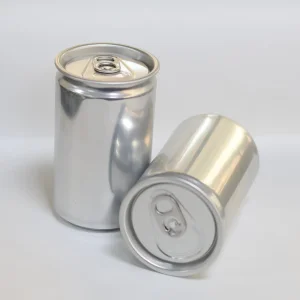
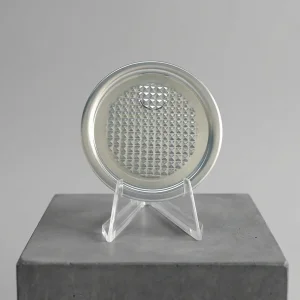
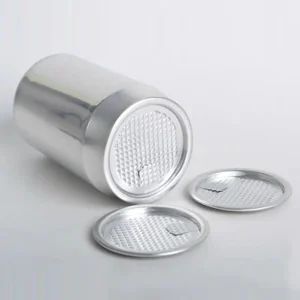
Explore our flagship precision-engineered metal packaging products manufactured in compliance with strict international food-contact standards.
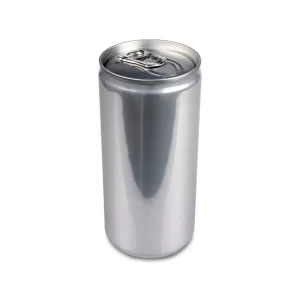
The global beverage industry is undergoing a structural transformation. Driven by shifts in consumer lifestyle, health consciousness, portion control, and premiumization, beverage brand owners are rapidly shifting from traditional glass, rigid PET bottles, and standard 330ml/355ml cans toward slim and sleek packaging profiles. Among these modern formats, the 250ml Sleek Can has emerged as the definitive global benchmark for high-margin beverage categories including Ready-To-Drink (RTD) cocktails, energy drinks, cold brew coffees, sparkling functional waters, and premium botanical tonic waters.
From a commercial manufacturing perspective, China's metal packaging ecosystem has evolved into the world's most advanced hub for high-speed Drawing and Wall Ironing (DWI) aluminum can production. Tier-1 Chinese manufacturers now deliver unprecedented dimensional consistency, ultra-lightweight gauge profiles, and specialized lacquer applications tailored to acid-sensitive and carbonated liquid matrixes. For global buyers, sourcing 250ml sleek cans from China represents a strategic blend of high production capacity, rigorous metallurgical control, and optimized total cost of ownership (TCO).
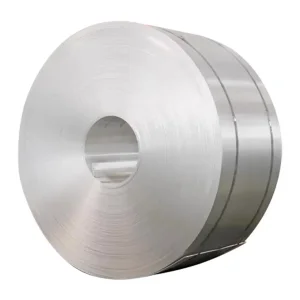
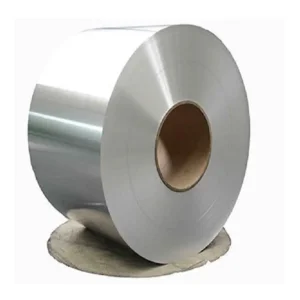
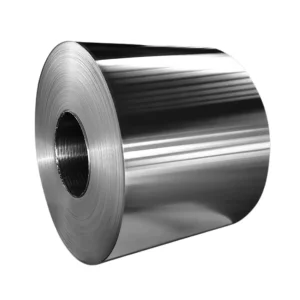
Engineering a high-performance 250ml sleek aluminum can demands strict adherence to metallurgical purity, mechanical stress tolerances, and high-speed filling line dynamics. The manufacturing process relies on 3104-H19 aluminum-manganese alloy coil as the core body material. This alloy is specifically engineered with precise ratios of Magnesium (Mg) and Manganese (Mn) to achieve high yield strength, superior ductility during multi-stage ironing, and uniform grain alignment to prevent microscopic fractures.
Unlike standard body profiles (66mm outer diameter), the 250ml sleek format features a slim 53mm outer body diameter paired with a 202 neck profile (52.5mm end diameter) or specialized 200 necking configurations. This reduced diameter shifts structural tension dynamics, requiring precise dome engineering at the bottom of the can to withstand internal pressure generated by carbonation or liquid nitrogen dosing.
| Engineering Parameter | Technical Specification | Quality Control Test Standard |
|---|---|---|
| Nominal Volume | 250 ml (8.45 fl oz) | Brimful Capacity Measurement (± 2.0 ml) |
| Body Outer Diameter | 53.4 mm ± 0.2 mm | Optical Laser Micrometer / Go-NoGo Gauge |
| Can Height | 134.5 mm ± 0.3 mm | Digital Height Gauge Station |
| Neck Diameter | 202 Profile (52.5 mm end fit) | Pneumatic Neck Diameter Tester |
| Body Material Alloy | 3104-H19 Hard Temper Aluminum Coil | Spectrometric Chemical Alloy Certificate |
| Mid-Wall Thickness | 0.095 mm ± 0.005 mm | Ultrasonic Wall Thickness Gauge |
| Dome Burst Pressure | ≥ 6.2 bar (≥ 90 PSI) | Automatic Hydraulic Burst Pressure Tester |
| Axial Load Resistance | ≥ 1.4 kN (≥ 140 kgf) | Column Crush Compression Tester |
The conversion from raw aluminum coil into a precision 250ml sleek can involves five core mechanical phases:
Coil stock is lubricated and blanked into shallow cups across multi-die double-action presses running at 3,000+ cups per minute.
The cup is drawn through tungsten carbide ironing rings, thinning the mid-wall to ~0.095mm while forming the bottom strength dome.
Uneven top edges are trimmed to exact height. Cans undergo 6-stage de-ionized chemical washing to eliminate lubricants and oxides.
Electrostatic airless spray guns apply food-safe BPA-NI lacquer, followed by thermal curing in high-velocity ovens.
The integrity of a beverage packaging solution depends on the internal barrier coat that isolates the aluminum substrate from the beverage matrix. Modern high-acid energy drinks, alcoholic RTDs, and craft sodas present aggressive corrosive profiles due to organic acids (citric, phosphoric, malic), ethanol content, and dissolved carbon dioxide.
Following stringent regulatory changes in the European Union (EFSA regulations), North America (FDA 21 CFR 175.300), and China (GB 4806.10), tier-1 manufacturers have transitioned away from traditional epoxy-bisphenol-A lacquers toward advanced BPA-NI formulations. The leading liner options include:
To maximize brand differentiation on retail shelves, 250ml sleek cans undergo high-speed dry offset printing directly on the cylindrical body before necking. Advanced Chinese production lines incorporate automated 8-color decoration presses operating with pinpoint registration accuracy (±0.05mm). Visual and tactile finishes available to buyers include:
Eliminates specular reflection, delivering a soft-touch, modern luxury aesthetic ideal for RTD spirits and health tonics.
Leverages the natural metallic reflectivity of polished aluminum to create vibrant dynamic color gradients.
Creates raised micro-textures directly on the can body, increasing grip engagement and brand recall.
A primary challenge for beverage fillers when adopting sleek can formats is seamless integration with high-speed filling lines designed for standard bodies. A comprehensive packaging supplier must offer end-to-end technical engineering support to prevent line jams, improper double seam formation, or neck buckling.
Different beverage types require custom mechanical and gas headspace strategies during the filling phase:
Requires high dome strength (≥ 6.2 bar) to absorb 3.5 to 4.2 volumes of dissolved CO₂. Internal pressure provides structural rigidity to the thin 0.095mm aluminum mid-wall.
Non-carbonated liquids lack internal pressure. Suppliers implement Liquid Nitrogen (LN₂) Dosing systems (0.05–0.15g per can), which vaporizes to create internal pressurization post-seaming.
Milk-based teas and coffees undergo thermal processing up to 121°C. Requires specialized heat-stable 5182 alloy ends and retort-resistant internal lacquers.
Demand drivers for 250ml sleek aluminum cans vary significantly across major global geographic markets. Understanding localized consumer preference and regulatory landscapes allows brand owners to select optimal packaging specifications:
Driven by the EU Circular Economy Action Plan and stringent plastic reduction mandates. The 250ml sleek format is dominant in RTD gin & tonic, hard seltzers, and organic kombucha. Sourcing compliance requires CBAM carbon reporting and full REACH/BPA-NI certification.
While standard 12oz (355ml) remains the historical baseline, 250ml sleek cans are experiencing explosive growth in premium energy shots, wellness drinks, and single-serve wine. High emphasis is placed on US FDA 21 CFR 175.300 compliance and compatibility with Ferrum/Angelus seamers.
Rapid growth in functional fruit juices, sparkling teas, and non-alcoholic malt beverages. Tropical climates necessitate elevated humidity protection on external varnish and salt-spray-resistant alloy formulations for coastal warehousing.
The future of 250ml sleek can manufacturing is anchored by three technological vectors: zero-carbon metallurgy, AI-driven visual inspection quality control, and radical lightweighting.
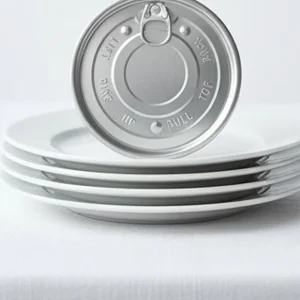
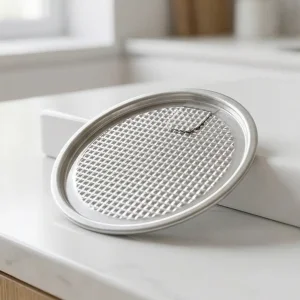
Browse our complementary easy-open ends, specialty powder lids, tinplate closures, and aluminum coil raw materials.