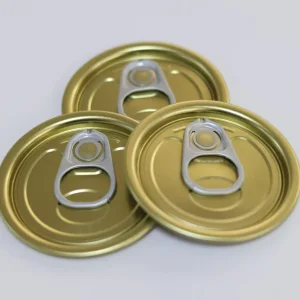
Explore our high-precision aluminum coil, specialized lids, and sleek/standard can formats engineered for ultra-high-speed filling lines.
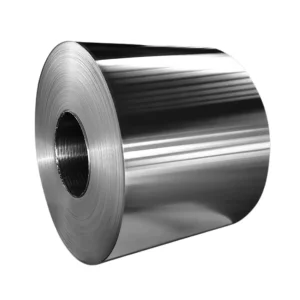

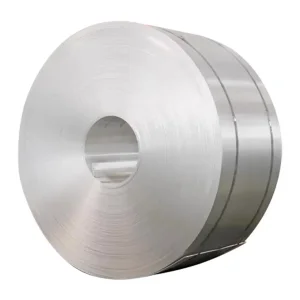
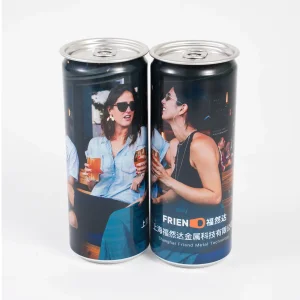
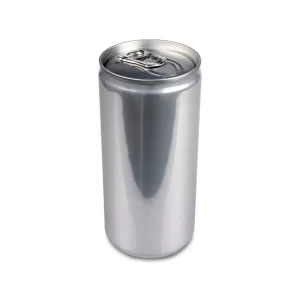
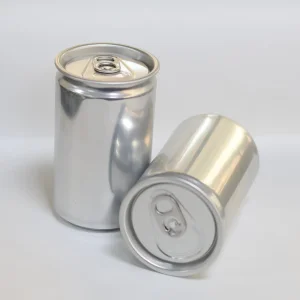
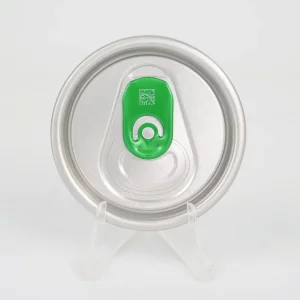
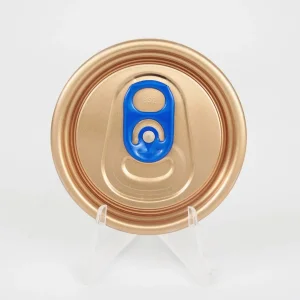
In the rapidly evolving global beverage ecosystem, the 16 Oz (473 ml) aluminum can format—frequently designated as the "Pint" format—has transitioned from a craft beer niche into the dominant retail standard for functional beverages, ready-to-drink (RTD) spirit cocktails, energy formulas, hard seltzers, and premium mineral waters. As global consumer preferences pivot sharply toward infinitely recyclable metal packaging and away from single-use plastics, international brand owners demand unprecedented precision, structural integrity, and supply chain transparency from their manufacturing partners.
This whitepaper provides an exhaustive technical analysis of China’s leading 16 Oz aluminum can manufacturing matrix. By combining deep-drawing metallurgical advances with Industry 4.0 automated quality control, top-tier Chinese OEM/ODM facilities are establishing new global benchmarks for axial load strength, internal barrier coating stability, and high-speed filling line performance.
Achieved via real-time optical pinhole cameras and automated double-seam telemetry.
Engineered for high-carbonation craft beers, RTDs, and nitrogenated beverages.
Ultra-lightweighted 3104-H19 alloy maintaining structural axial resistance >1.4 kN.
The production of high-performance 16 Oz aluminum beverage cans relies on the Drawn and Wall Ironed (DWI) process. China’s premier manufacturing plants utilize state-of-the-art multi-stage press lines running at speeds exceeding 2,200 cans per minute. The structural stability of the container depends directly on precise alloy selection and grain orientation control during cold rolling.
Two main aluminum-magnesium-manganese alloys form the backbone of the 16 Oz container assembly:
| Parameter Standard | 16 Oz (473ml) Standard Body | 16 Oz (473ml) Sleek Variant | Testing Methodology |
|---|---|---|---|
| Can Body Diameter | 66.04 mm (211 Diameter) | 57.80 mm (204 Diameter) | Optical Laser Micrometer |
| Finished Can Height | 157.00 mm ± 0.20 mm | 174.50 mm ± 0.20 mm | Digital Height Gauge |
| Neck Diameter | 52.40 mm (202 Neck) | 50.00 mm (200 Neck) | Go/No-Go Plug Gauge |
| Axial Load Capacity | ≥ 1,400 N | ≥ 1,250 N | Instron Compression Tester |
| Internal Pressure Yield | ≥ 6.2 Bar (90 PSI) | ≥ 6.5 Bar (94 PSI) | Pneumatic Burst Tester |
| Enamel Rater (Lining Integrity) | < 2.0 mA (1% NaCl solution) | < 1.5 mA (1% NaCl solution) | WACO Digital Enamel Rater |
With stringent global regulations enforced by EFSA (European Food Safety Authority) and the US FDA regarding Bisphenol A (BPA), global suppliers have shifted entirely toward next-generation internal spray systems.
Ideal for water, beer, and low-acidity beverages. Provides excellent clarity, flavor neutrality, and low VOC emissions during thermal curing.
Highly recommended for aggressive beverage matrixes such as high-acid citrus juices, wine, cider, and RTD spirits containing organic acids.
Delivers ultra-flexible barrier properties with superior adhesion, preventing micro-cracks during necking and double-seaming processes.
China’s leadership in global aluminum container supply is rooted in fully integrated manufacturing hubs. Unlike fragmented supply networks, Chinese mega-factories co-locate aluminum coil rolling mills, coating plants, high-speed DWI body lines, easy-open end stamping, and automated warehousing within unified industrial parks.
Every single 16 Oz can passes through high-resolution 360-degree vision camera systems operating at line speeds of 2,400 CPM. Systems automatically detect wall scratches, rim dents, coating voids, and flange deformation down to 0.05mm accuracy.
Real-time seam teardown tools automatically measure seam thickness, countersink depth, body hook, and overlap percentage, transmitting statistical process control (SPC) data directly to central operator dashboards.
Direct ties with primary aluminum smelters ensure seamless access to ingot stocks, shielding global buyers from sudden raw material shortages and providing stable long-term pricing structures.
Procuring 16 Oz aluminum cans at enterprise scale requires navigating market-specific demands, decoration complexities, freight protection, and total cost of ownership (TCO) optimization. Below is an expert breakdown tailored for procurement heads, supply chain directors, and co-packing executives.
Requires oxygen barrier performance (<30 ppb TPO pickup during filling) and lightproof qualities to prevent hop skunking in IPAs and stouts.
Demands specialized cross-linked lining formulations capable of resisting aggressive alcohol-acid matrices while preventing flavor scalping.
Leverages tactile matte varnishes, metallic ink effects, and glossy spot highlights to maximize shelf impact in competitive retail spaces.
China’s export-oriented factories feature advanced 8-color dry-offset printing machinery capable of running intricate artwork designs, photographic transitions, and special finish effects:
Bridging international supply lines requires strict adherence to destination-market regulatory frameworks and specialized ocean transport packaging configurations to ensure zero freight damage.
Fully documented compliance packages including US FDA 21 CFR 175.300, EU Regulation 1935/2004, German LFGB, and Chinese GB 4806.10 standards. Heavy metal content testing strictly complies with CONEG and EU Directive 94/62/EC.
To assist European partners with the Carbon Border Adjustment Mechanism (CBAM), suppliers provide verified Scope 1, Scope 2, and Scope 3 carbon intensity reports, backed by expanding solar-powered factory initiatives.
Cans are shipped on reinforced heat-treated wood or plastic pallets, protected by top frames, heavy-duty corrugated slip sheets, moisture-absorbent desiccant packs, and full-height automated stretch-hood shrink wrapping.
As the metal packaging industry moves toward aggressive decarbonization targets and hyper-efficient manufacturing, China’s global 16 Oz aluminum can suppliers are advancing several transformative technology tracks:
Targeting mid-wall thicknesses below 0.088mm through advanced alloy tempering and redesigned bottom dome profiles, achieving a further 5-8% reduction in raw metal usage without compromising vertical axial strength.
Partnering with closed-loop recyclers to increase Post-Consumer Recycled (PCR) aluminum content in coil stock beyond 80%, reducing embodied carbon by up to 95% compared to primary aluminum smelting.
Integrating unique laser-etched 2D matrix codes under the tab or on the bottom dome, enabling item-level traceability, anti-counterfeiting, and interactive digital consumer engagement campaigns.
Expert answers to standard procurement, engineering, and logistics inquiries for global beverage brands.
Discover our complete range of specialized lids, tinplate components, and multi-format aluminum beverage packaging solutions.