Direct factory supply of certified aluminum cans, easy-open ends, peel-off foils, and precision coil stock optimized for international filling lines.
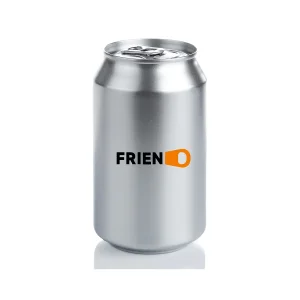
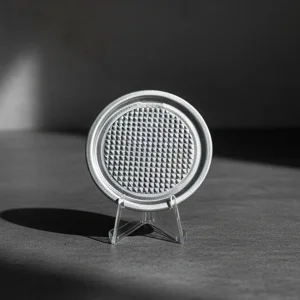
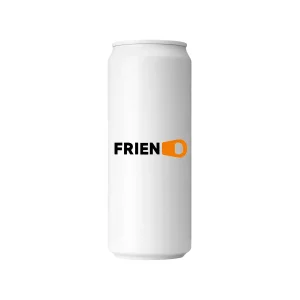
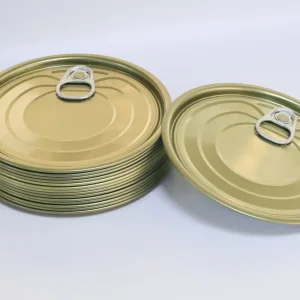
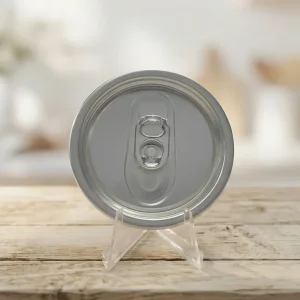
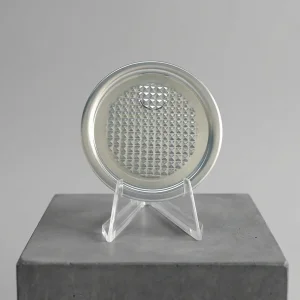
Analyzing the global transition from traditional scored ring-pull ends to flexible aluminum foil peelable membranes across food, beverage, and dry powder categories.
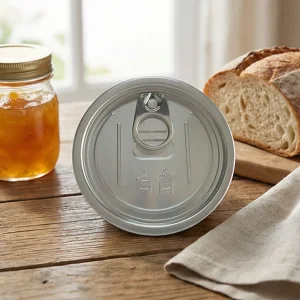
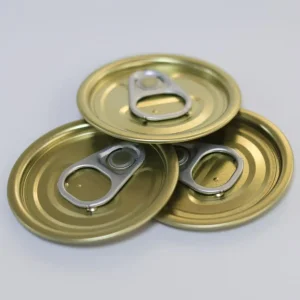
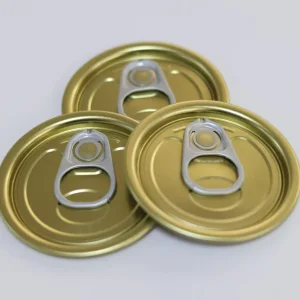
In modern rigid metal packaging engineering, the adoption of Easy-Peel Cans and Peel-Off Ends (POE) represents one of the most critical structural transformations of the last two decades. Historically, rigid metal containers relied heavily on traditional Full-Aperture Easy-Open Ends (EOE) or Stay-On-Tab (SOT) mechanisms. While functional for carbonated beverages, conventional steel or aluminum score-line ends present inherent liabilities in food safety, consumer ergonomics, and hermetic sealing precision for moisture-sensitive products.
China's manufacturing ecosystem has emerged as the global epicenter for precision engineered Peel-Off End technology. By bonding an ultra-thin, high-barrier aluminum foil membrane (typically 8011 or 1235 alloy in H18 temper) to a rigid steel tinplate or aluminum outer ring, Chinese manufacturers have solved the dual dilemma of consumer safety and long-term shelf-life integrity. Unlike traditional ring-pull ends which leave a razor-sharp circumferential steel edge upon opening, easy-peel foil membranes remove smoothly with less than 50% of the pull force, entirely eliminating hand lacerations—a non-negotiable requirement for infant formula, eldercare nutrition, and premium snack foods.
| Performance Specification | Easy-Peel Foil End (POE) | Traditional Full-Aperture EOE | Plastic Screw Cap System |
|---|---|---|---|
| Hermetic Seal Integrity (OTR) | < 0.005 cc/m²/24h (Ultra-High) | < 0.005 cc/m²/24h (Ultra-High) | 0.5 - 2.0 cc/m²/24h (Moderate) |
| Opening Force (Peel / Tear) | 12 - 20 N (Smooth Peel) | 35 - 50 N (High Pull Force) | 15 - 30 N (Rotational Torque) |
| Consumer Injury Risk | Zero Edge Hazard (100% Safe) | High (Sharp Circumferential Rim) | Zero Hazard |
| Nitrogen Retaining Capability | Supported (< 0.5% Residual O₂) | Supported (< 0.5% Residual O₂) | Poor Gas Retention Over Time |
| Retort Thermal Load (121°C+) | Specialized Retort Foil Lacquer | Standard Retort Compound | Limited Thermal Tolerance |
| Material Recyclability | 100% Infinite Metal Recycling | 100% Infinite Metal Recycling | Low Multi-Layer Plastic Recycling |
How vertical integration, precision metallurgy, high-speed automated tooling, and strict quality assurance enable unmatched cost and performance metrics.
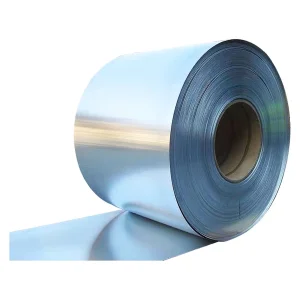
Chinese metal rolling facilities maintain absolute control over chemical composition and temper. From 3104-H19 deep-drawn can bodies to 5182-H48 rigid end shells and 8011/5052 coil stocks, microscopic gauge uniformity (±0.002mm) ensures faultless seaming and press feeding.
Utilizing imported high-speed Minster press lines and custom ultrasonic heat-sealing modules, top-tier Chinese factories run multi-cavity die setups at speeds exceeding 600 ends per minute while maintaining 100% inline vision inspection for pin-holes and micro-cracks.
All internal lacquers, organosol films, and heat-seal polymers are rigorously tested to satisfy FDA 21 CFR 175.300, EU Regulation 1935/2004, and GB 4806.10. BPA-NI (Bisphenol A Non-Intent) coatings are standard, preventing chemical migration across all pH spectrums.
Proven performance markers validated across high-speed beverage filling lines and international packaging audits.
Optimizing foil membrane, ring shell temper, and internal lining chemistry across specialized consumer goods categories.
Nutraceutical and baby formula packaging demands zero moisture ingress and complete gas containment. Our 401# (99mm) and 502# (127mm) Easy-Peel ends feature integral scoop-rest internal ring ledges, anti-static foil lacquers to prevent powder cling, and sub-0.5% oxygen retention after MAP (Modified Atmosphere Packaging) gassing.
Wet canned goods subject to steam or hot-water retort autoclaving require specialized foil-to-ring heat sealing. Utilizing modified polypropylene sealant films, our 300# (73mm) and 307# (83mm) POE ends withstand 121°C processing for up to 60 minutes without delamination, offering sulfur-resistant internal coatings to eliminate tin-staining.
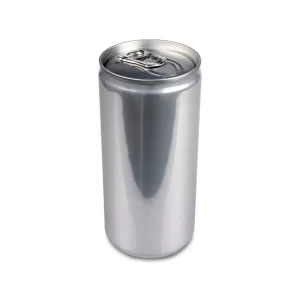
Roasted coffee beans continuously release CO₂ gas post-packing. Our customizable easy-peel foil lids can be integrated with one-way degassing valves. Combined with sleek or standard aluminum bodies (250ml, 330ml, 355ml), this ensures optimal aroma retention while eliminating package bloating on store shelves.
Operational parameters for packaging engineers integrating Easy-Peel Ends onto automated high-speed can seaming machinery.
A flawless hermetic container relies on the precise double-seam formation between the can body flange and the Easy-Peel end curl. Because peel-off ends feature a composite structure (rigid outer ring plus internal foil membrane), seaming chuck profiles and roll groove geometries must be calibrated to prevent outer ring distortion or foil puncture during first-operation and second-operation seaming rolls.
Before releasing production batches, Shanghai Friend Metals supplies full dimensional engineering drawings and conducts optical seam teardown analyses across five mandatory metrics:
In-depth technical and commercial answers directly from our metal packaging engineering team.
A standard Easy-Open End (EOE) features a scored aluminum or tinplate metal panel with a riveted metal pull tab. Opening requires fracturing the scored metal boundary, which leaves a sharp cut edge. An Easy-Peel End (POE) consists of a rigid tinplate or aluminum outer ring heat-sealed to a multi-layer flexible aluminum foil membrane. Opening is achieved by peeling back the tab on the flexible foil, which detaches smoothly without sharp edges, requiring substantially lower pulling force.
Yes. However, standard dry-powder easy-peel lids cannot be used for retort. For retorted foods (such as tuna, pet food, or ready-to-eat meals), we manufacture specialized Retort-Grade Easy-Peel Ends. These utilize high-temp cast polypropylene (CPP) sealing films and modified heat-seal lacquers rated for temperatures up to 131°C and steam pressures up to 2.2 bar during autoclave cycles.
Our standard tooling covers all international industry diameter codes: 200# (50mm), 202# (52mm), 209# (63mm), 300# (73mm), 305# (83mm), 307# (83mm), 401# (99mm), and 502# (127mm). Custom outer ring profiles and specialized curl dimensions can also be engineered to match proprietary line tooling.
In most cases, standard automatic rotary seamers (such as Ferrum, Angelus, or FMC models) can run Easy-Peel Ends by simply swapping the seaming chucks and adjusting the first and second operation roll profiles. Because the outer ring curl geometry matches standard ISO end dimensions, major mechanical retrofitting is rarely necessary.
Every shipment from Shanghai Friend Metals is accompanied by full batch traceable quality documentation: ISO 9001 / FSSC 22000 quality reports, FDA 21 CFR 175.300 food contact migration test certificates, EU 1935/2004 compliance declarations, and heavy metal compliance (RoHS / REACH / CONEG) statements.
Yes. To satisfy stringent regulatory guidelines across North America, the EU, and Japan, our entire range of internal coatings for aluminum cans, tinplate ends, and foil membranes utilizes next-generation polyester, acrylic, or organosol BPA-NI lacquer systems.
For plain/unprinted aluminum cans or standard stock diameter easy-peel ends (such as 200#, 202#, or 401#), trial orders start at 100,000 to 200,000 units. Custom multi-color dry offset printed aluminum cans (up to 8 colors) require an MOQ of 100,000 units per artwork SKU due to printing plate and oven setup economics.
Ends are stacked and packed in heavy-duty polyethylene anti-humidity sleeves, inserted into rigid corrugated master cartons or fiber drums, and loaded onto export-grade wooden pallets wrapped in high-tension stretch hood film. Container desiccants are included to prevent condensation oxidation ("sweating") during trans-equatorial sea transit.
Yes. The flexible aluminum foil membrane can be custom embossed with safety opening instructions, QR codes, or high-definition rotogravure branding graphics (up to 6 colors) to enhance consumer engagement and prevent anti-counterfeiting.
Contact our engineering team with your required diameter code, target container material, and filling product specification. We dispatch pre-production sample lots (typically 200–500 ends) via express courier within 5 to 7 working days, complete with mechanical engineering blueprints for seaming tool setup.
Browse our full range of sterilizable lids, specialized aluminum coils, and high-performance metal containers.