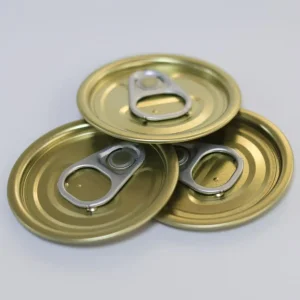
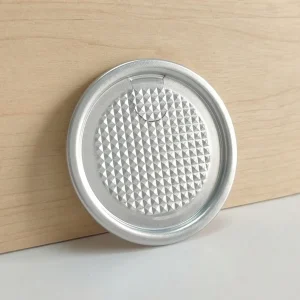
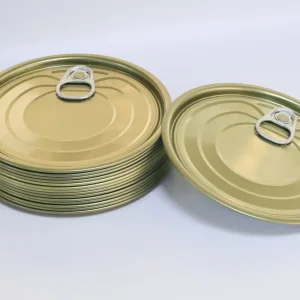
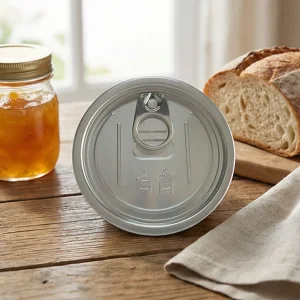
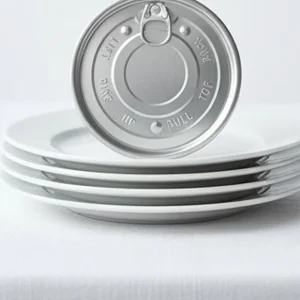
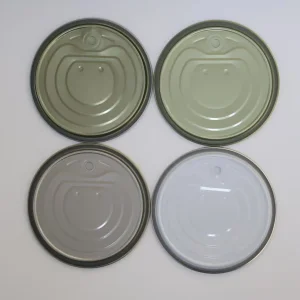
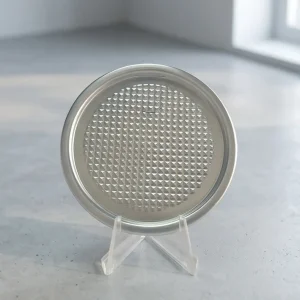
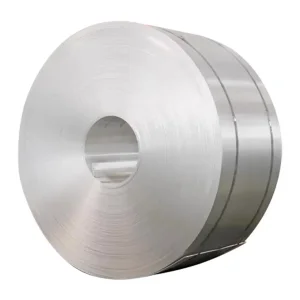
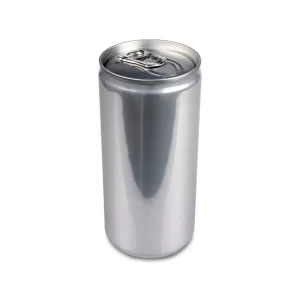
Engineered high-barrier aluminum easy-open ends, lightweight beverage closures, and premium coil stock optimized for automated high-speed canning lines.
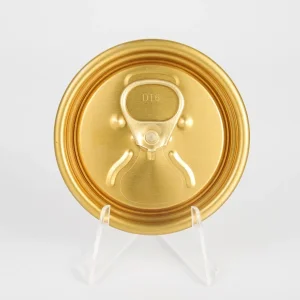
Understanding the engineering dynamics, hermetic sealing parameters, and global supply chain frameworks driving modern metal packaging performance.
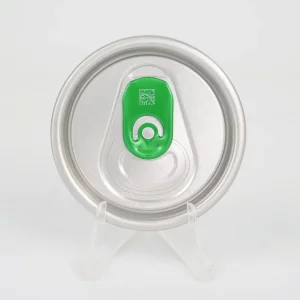
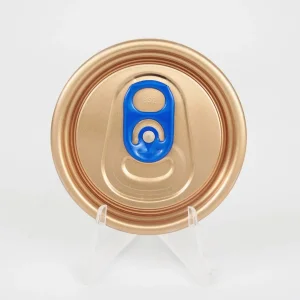
In the modern FMCG, beverage, pharmaceutical, and dry food packaging sectors, the query term "China Aluminum Sealer Service & Suppliers" represents far more than a basic component search. It encompasses an integrated ecosystem of metallurgical engineering, ultra-high-speed mechanical double-seaming compatibility, surface chemistry, and advanced barrier technology. An aluminum sealer—whether in the form of a Stay-On Tab (SOT) easy-open lid, Ring Pull Tab (RPT), peel-off membrane foil lid, or induction-sealed aluminum disc—serves as the primary barrier protecting food purity, internal carbonation, shelf stability, and organoleptic qualities against environmental degradation.
As global brand owners transition away from single-use plastics under severe ESG directives, aluminum has emerged as the premier permanent material for closed-loop circular packaging economies. China has consolidated its standing as the manufacturing powerhouse for high-precision aluminum sealing components, supplying over 45% of the world's beverage lids, specialty powder container closures, and lacquered coil raw materials. However, evaluating a China aluminum sealer supplier requires technical rigor: procurement leaders must audit alloy purity, internal coating cross-linking density, countersink depth consistency, and double-seam overlap tolerances to ensure flawless operation on high-speed filling lines running at speeds up to 1,500 cans per minute (CPM).
A microscopic variance of 0.02 mm in lid curl height or countersink radius can compromise the seam overlap percentage (target ≥ 55%), leading to micro-leakage during thermal processing, pasteurization, or transoceanic transport under ambient pressure fluctuations. Chinese tier-1 suppliers utilize fully automated vision-inspection systems combined with Minster and Stolle press lines to ensure dimensional standard deviations within ±0.005 mm.
Engineering specifications of aluminum alloys, polymer coating chemistries, and double-seam formation mechanics.
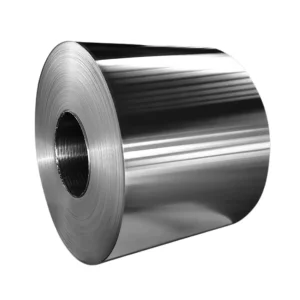
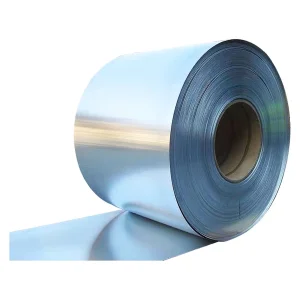
Aluminum sealers rely on exact temper formulations. Can bodies utilize 3104-H19 for deep drawability and wall ironing down to 0.095 mm. Easy-open end shells demand 5182-H48 for high yield strength and buckle resistance, while opening tabs use 5052-H38 to survive repetitive rivet forming without fracture.
Internal liners have evolved from traditional epoxy-phenolic to Next-Gen BPA-NI (Bisphenol A Non-Intent), acrylic, and polyester linings. These cross-linked polymer matrices prevent metal ion dissolution into acidic beverages (pH < 3.0), resist sulfur staining in food retorts, and comply strictly with EU 10/2011 and FDA standards.
Hermetic integrity depends on the interlocking of the can body hook and lid cover hook during the first and second seaming operations. Key target parameters include precise seam length, seam thickness, body hook butyl rubber sealant distribution, and countersink depth to prevent gas leakage.
| Alloy & Temper | Typical Thickness | Tensile Strength (MPa) | Yield Strength (MPa) | Primary Packaging Application |
|---|---|---|---|---|
| 3104-H19 | 0.240 – 0.280 mm | ≥ 290 | ≥ 265 | 2-Piece Drawn & Ironed (DWI) Beverage Can Bodies |
| 5182-H48 | 0.205 – 0.225 mm | ≥ 360 | ≥ 310 | Carbonated Beverage Ends (200#, 202# SOT/RPT Shells) |
| 5052-H38 | 0.360 – 0.390 mm | ≥ 270 | ≥ 220 | Opening Tabs (SOT / RPT Easy-Open Mechanisms) |
| 8011-O / H18 | 0.030 – 0.200 mm | 120 – 165 | ≥ 95 | Heat-Sealable Foil Membranes & Powder Container Lids |
Why global beverage conglomerates and packaging distributors leverage Chinese industrial infrastructure for cost efficiency, volume scalability, and risk mitigation.
China’s aluminum packaging ecosystem benefits from tight geographic integration. In industrial hubs like Shanghai, Jiangsu, and Shandong, raw ingot smelting, cold-rolling mills, high-speed coil lacquering, and multi-die conversion stamping operate within concise logistical radiuses. This drastically cuts lead times, reduces carbon transport footprints, and shields global buyers from intermediate supply chain disruptions.
Leading Chinese factories feature multi-lane Minster presses running up to 3,000 ends per minute per line. Integrated with AI optical vision systems, every lid is scanned in real-time for tab alignment, rivet integrity, and lacquer pinholes. Faulty units are automatically rejected at full production speed, maintaining defective rates below 1 PPM (Part Per Million).
Analyzing regional demand shifts, regulatory pressures, and decarbonization mandates shaping aluminum sealer sourcing worldwide.
The global metal packaging market is undergoing a structural shift. North American craft beer, RTD (Ready-To-Drink) cocktails, and functional sparkling waters have expanded standard 202# SOT (Stay-On Tab) end consumption. Concurrently, European markets are prioritizing lightweighting initiatives alongside stringent compliance with REACH and EU PFAS bans, necessitating solvent-free internal coatings and down-gauged shell stocks.
In emerging economies across APAC, LATAM, and MEA, rapid urban development and expanding middle-class demographics are driving demand for canned infant formula, dairy powders, and premium beverages. Here, specialized aluminum sealers—such as 502# and 401# easy-open lids featuring high-barrier peel-off membrane foils and transparent window tops—are seeing rapid adoption due to consumer demands for food safety verification, tamper evidence, and extended shelf life under tropical storage conditions.
Real-world deployment matrix demonstrating how specialized aluminum sealers protect product integrity across diverse operating environments.
Challenge: Craft ciders, wine spritzers, and hard seltzers exhibit aggressive organic acid profiles (pH 2.6–3.2) and elevated dissolved CO2 pressures (up to 4.2 volumes), risking coating breakdown and seam rupture.
Solution: Custom 202# SOT aluminum ends featuring modified vinyl-organosol or thick-coat BPA-NI internal lacquers, rated to withstand 6.2 bar minimum internal burst pressure and continuous pasteurization heat loads up to 68°C.
Challenge: Powdered nutritional formulations are hyper-sensitive to moisture ingress, oxidation, and microbial contamination, requiring modified atmosphere packaging (MAP) with zero oxygen permeability.
Solution: Large-diameter 502# and 401# aluminum sealers integrated with deep-drawn foil peel-off membranes and anti-static compound linings, supporting nitrogen flushing down to < 0.5% residual O2 levels.
Challenge: Sealed containers transported through tropical humidity or unpressurized air cargo experience drastic thermal expansion and external pressure differentials, threatening seam failure.
Solution: Precision-curled aluminum lids utilizing high-tensile 5182-H48 shell stock with heavy-duty countersink depth reinforcing ridges to resist paneling, oil-canning, and pressure distortion.
Challenge: Industrial propellants, automotive lubricants, and specialty solvents require robust metal closure sealers chemically inert to aggressive hydrocarbon matrices.
Solution: Specialized tinplate and 5052 aluminum closures coated with cross-linked phenolic resin lining compounds, engineered to maintain zero VOC emissions under ISO 9001 quality standards.
Rigorous laboratory testing protocols ensuring full compliance with international food-contact laws and seam integration standards.
To meet the stringent audit requirements of tier-1 global beverage brands and international customs authorities, professional Chinese aluminum sealer manufacturers operate certified ISO 9001, ISO 22000, and FSSC 22000 quality management systems. Quality control extends far beyond visual inspection; every batch undergoes exhaustive physical and chemical testing:
Conducted via WACO Enamel Raters to measure micro-ampere electrical current passage (< 2.0 mA standard). This verifies total coating continuity and guarantees zero microscopic pinholes in the internal lacquer layer.
Measures the precise force required to puncture the scoreline (Pop value) and fully detach/open the tab (Pull value). Balancing consumer ergonomics with structural strength prevents accidental score fracture during transit.
Products are fully certified against FDA 21 CFR 175.300, EU Regulation 1935/2004, China GB 4806.10, and REACH/RoHS standards, accompanied by full chemical migration and heavy metal test certificates per shipment.
Answers to critical engineering, logistics, and compliance questions asked by global procurement teams.
High-barrier tinplate lids, transparent powder closures, sterilizable aluminum seals, and custom industrial container packaging components.