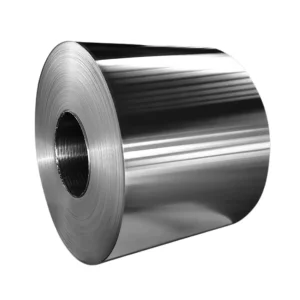
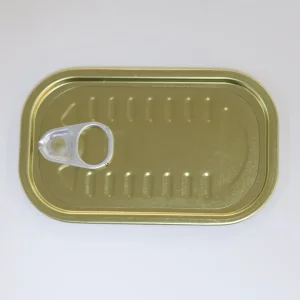
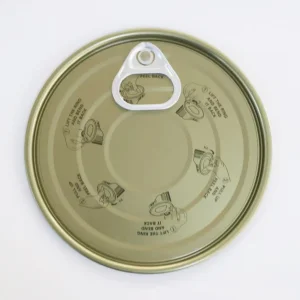
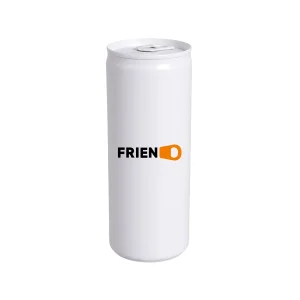
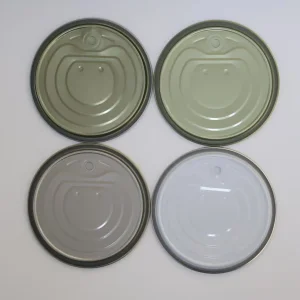
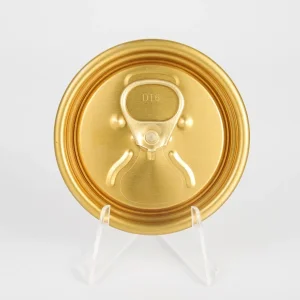
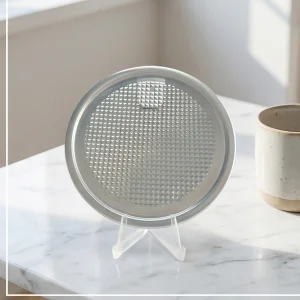
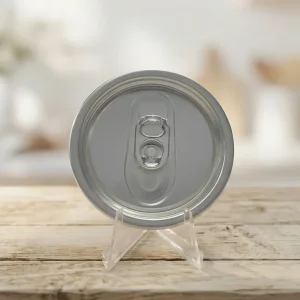
Explore our high-precision aluminum coil, easy-open ends, and beverage container lines engineered for automated seamers and high-speed filling lines.
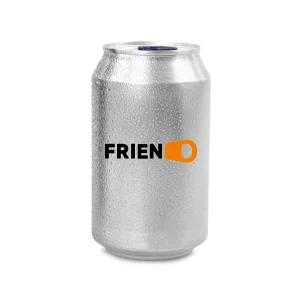
The 473ml (16 US fl oz) aluminum beverage can—popularly known across international markets as the "tallboy" or "pint can"—has emerged as the definitive global standard for craft breweries, RTD cocktail brands, cold-brew coffee roasters, and functional energy drink manufacturers.
Over the past decade, consumer preference in North America, Western Europe, and Australia has shifted away from traditional 355ml (12oz) and 330ml formats toward the 473ml format. The 16oz size offers an expanded surface area for 360-degree tactile matte varnishes, metallic dry-offset graphics, and shrink-sleeve branding. Breweries gain higher profit margins per unit while offering consumers the authentic "pub pint" draft experience in a portable, lightproof package.
Unlike glass bottles that suffer from UV light strike (which skunks hops) and micro-leaks around crown caps, precision-drawn 473ml aluminum cans provide an absolute hermetic seal. Zero light transmission combined with advanced automated mechanical double-seaming guarantees near-zero Total Package Oxygen (TPO) pickup. This preserves fragile hop aromas (myrcene, humulene) and prevents premature beer staling over extended ocean transit.
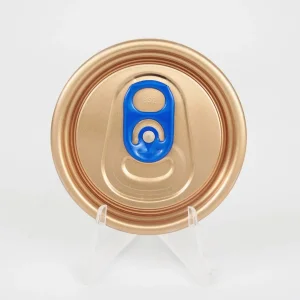
A standard 473ml beverage body features a 211 body diameter (approx. 66.25mm), a 157mm to 158mm body height, and a 202 neck profile designed to seam seamlessly with standard 202 SOT (Stay-On Tab) or RPT (Ring Pull Tab) easy-open ends. This standardization allows international contract packers to run 473ml cans on identical high-speed automated lines with minimal changeover downtime.
China's metal packaging ecosystem leads global output due to fully integrated supply chains, automated DWI (Drawn and Wall Ironed) pressing lines, and high-precision quality control matrixes.
Leading Chinese 473ml beer can factories utilize state-of-the-art Cupping Presses and Bodycrafters (DWI technology). High-purity 3104-H19 aluminum coil is lubricated, punched into shallow cups, and ironed through sequential carbide dies to ultra-thin wall tolerances (0.095mm to 0.105mm mid-wall gauge), achieving maximum axial crush strength with minimal aluminum raw material weight.
Modern Chinese manufacturing facilities integrate continuous dry offset decorators coupled with high-efficiency pin ovens. They support complex artwork files, spot varnishes, tactile matte textures, and photo-realistic CMYK graphics directly onto the cylindrical aluminum body at line speeds exceeding 2,000 cans per minute—eliminating the cost and labor of post-fill labeling.
Every single 473ml can produced passes through automated high-resolution optical light testers and camera inspection units. Pinholes as small as 5 microns, rim flange dents, interior wall scratches, or lacquer spray gaps trigger pneumatic reject systems instantly, maintaining a defect rate of under 1 per 100,000 units delivered to international bottling lines.
| Manufacturing Parameter | China Top-Tier Factory Specs | Western Europe Standard | North America Standard |
|---|---|---|---|
| Nominal Capacity | 473 ml (16 US fl oz) | 473 ml / 500 ml | 473 ml (16 US fl oz) |
| Alloy Temper (Body) | 3104-H19 Aluminum Alloy | 3104-H19 / 3004 | 3104-H19 |
| Neck Diameter | 202 Diameter (52.5mm) | 202 / 206 Diameter | 202 Diameter (52.5mm) |
| Axial Compression Strength | ≥ 850 N (85 kgf) | ≥ 800 N | ≥ 820 N |
| Internal Pressure Rating | ≥ 6.2 BAR (90 PSI) | ≥ 6.0 BAR | ≥ 6.2 BAR |
| Interior Coating Options | BPA-NI (Non-Intent) Epoxy / Acrylic | BPA-NI Polyester | BPA-NI Epoxy / Acrylic |
Because beer and carbonated beverages are inherently acidic (pH 3.2 to 4.5), the interior spray coating of a 473ml aluminum can must function as a flawless, flexible barrier to prevent aluminum dissolution, off-flavors, and metallic haze formation.
Global regulatory shifts (EU REACH, FDA 21 CFR 175.300, California Proposition 65) have mandated the phase-out of traditional bisphenol-A epoxy coatings. Premium Chinese 473ml beer can factories utilize advanced generation BPA-NI cross-linking acrylic, polyester, or modified epoxy resins. These next-gen liners undergo thermal curing in high-temperature bake ovens to form a continuous polymer film that exhibits ultra-low flavor absorption and zero chemical migration into sensitive craft beer matrices.
To guarantee coating continuity across 100% of the interior surface (including the high-stress neck-down flange zone), factory QC laboratories apply standardized conductivity tests using an Enamel Rater. A 1% NaCl aqueous solution is filled into sample cans, and a 6.3V DC potential is applied. Top-tier factories maintain strict acceptance criteria: an average current reading of < 2.0 mA (milliamperes), with zero units exceeding 5.0 mA, preventing pinhole corrosion even over 18 months of distribution.
Different beverage categories demand tailored interior lacquers, lid end profiles, and pressure gas dosing. Explore how Chinese suppliers customize 473ml cans for varied market sectors.
High-hop beverages containing elevated concentrations of essential oils and dry-hop particulate matter require smooth interior coatings that eliminate nucleation points. 473ml cans with 202 SOT ends preserve delicate aroma compounds and prevent premature oxidation.
High-acid spirits-based RTDs (containing citric, malic, or tartaric acid and alcohol content from 5% to 14% ABV) demand specialized thick-coat BPA-NI acrylic lacquers capable of resisting aggressive chemical corrosion over 24-month ambient shelf life.
Non-carbonated or nitrogenated liquids require liquid nitrogen (LN2) dosing right before seaming to create positive internal pressure (20 to 30 PSI). This preserves sidewall rigidity for 473ml cans during stacking and distribution while creating a rich surge and creamy head upon opening.
Formulations containing high taurine, caffeine, B-complex vitamins, and natural fruit juices utilize 473ml standard bodies printed with metallic inks and matte lacquers, offering high visual impact on retail supermarket shelves.
The metal packaging sector is experiencing rapid technological evolution driven by sustainability mandates, lightweighting science, and digital supply chain integration.
Through finite element analysis (FEA) and optimized bottom dome geometry, Chinese factories are reducing raw coil thickness from 0.280mm down to 0.245mm without compromising column buckle strength (≥ 850 N). This saves thousands of metric tons of aluminum raw material globally while cutting freight shipping carbon footprints.
Aluminum is infinitely recyclable, requiring 95% less energy to re-melt than primary aluminum smelting from bauxite. Modern China suppliers partner with global recycling networks to incorporate up to 75% Post-Consumer Recycled (PCR) content into 3104 alloy sheet stock, fulfilling global ESG compliance goals.
For seasonal craft beer releases and regional pilot batches, Chinese suppliers are deploying high-resolution (1200 DPI) direct-to-shape digital inkjet presses. This removes traditional plate costs and enables low MOQ orders (as low as 10,000 units) with photorealistic Variable Data Printing (VDP).
When contracting China 473ml beer can factories, international procurement directors must verify double-seam compatibility, sea freight packing standards, and complete regulatory paperwork.
Before issuing a purchase order, request detailed technical mechanical drawings confirming the following 202 neck specifications for seamless integration with your seaming machine (e.g., Angelus, Pneumatic Scale, Cask, Wild Goose, American Canning):
Transporting bulk empty 473ml aluminum cans across ocean routes demands specialized palletization to eliminate transit vibration damage and ambient humidity oxidation:
In-depth answers curated by senior packaging engineers covering minimum order quantities, lining compatibility, double-seam setup, and export documentation.
Browse our extended product inventory including specialty transparent lids, food-grade tinplate covers, and high-purity aluminum coils.