Explore high-performance 250ml Slim aluminum cans, easy-open ends, and specialized closures supplied directly from verified Chinese manufacturing facilities.
A comprehensive analysis of consumer intent shifts, packaging ergonomics, and macroeconomic supply chain dynamics driving 250ml Slim aluminum can adoption worldwide.
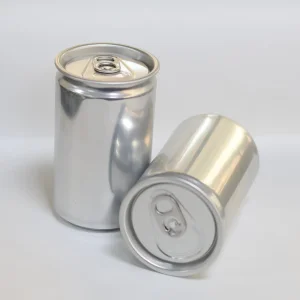
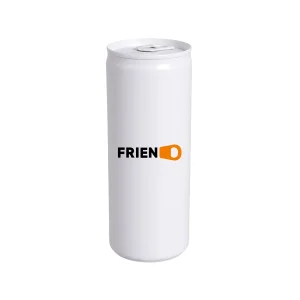
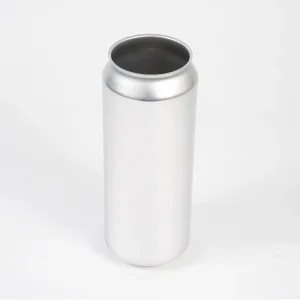
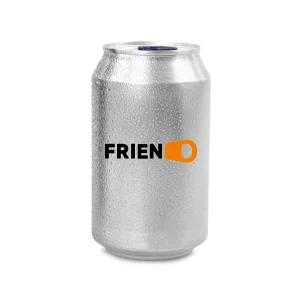
The fast-moving consumer goods (FMCG) beverage sector is undergoing a structural transformation toward single-serve control, premium aesthetic differentiation, and enhanced shelf appeal. The 250ml Slim Aluminum Can—characterized by its sleek ~53.3mm body diameter and ~134mm height profile—has emerged as the definitive format for high-value liquid formulations.
Global consumer preference has pivoted away from traditional 330ml and 355ml standard formats toward functional portion control. Ready-To-Drink (RTD) alcoholic cocktails, natural energy tonics, cold brew coffee, kombucha, and sparkling nutraceuticals overwhelmingly select the 250ml Slim profile to communicate elegance, modernity, and health-conscious calibration.
Unlike rigid PET containers or fragile glass bottles, drawn-and-wall-ironed (DWI) two-piece aluminum cans deliver an total zero-transmission barrier against oxygen (OTR = 0.0 cc/m²/day) and light penetration (UV block = 100%). This absolute isolation prevents lipid oxidation, flavor degradation, and active botanical breakdown in delicate beverage formulas.
Furthermore, the physical resilience of 3104-H19 aluminum alloy bodies ensures structural integrity during pressurized automated filling (up to 4.2 volumes of CO₂) and high-speed pasteurization cycles without micro-fissuring the internal protective lining.
Rigorous mechanical standards and exact dimensional tolerances engineered to integrate seamlessly into high-speed filler and seamer lines globally.
| Technical Parameter | Specification Metric | Engineering Tolerance | Testing Standard / Methodology |
|---|---|---|---|
| Nominal Volumetric Capacity | 250 ml (8.45 fl oz) | ± 2.0 ml brimful capacity | Volumetric Water Displacement Test |
| Body Outer Diameter | 53.3 mm | ± 0.25 mm | Precision Optical Laser Micrometer |
| Total Can Height | 134.0 mm | ± 0.30 mm | Digital Height Gauge Assembly |
| Neck Opening Diameter | 200# or 202# Neck Diameter | ISO Standard Fitment | Go/No-Go Plug Gauge Verification |
| Substrate Alloy Class | AA 3104-H19 Aluminum Body | Full Mill Certificate Integrity | Spectrometric Alloy Verification |
| End Closure Material | AA 5182-H48 Shell / 5052 Tab | SOT / RPT Easy-Open End | Pop & Pull Force Tensile Tester |
| Internal Coating System | BPA-Non-Intent (BPA-NI) / Epoxy-Free | Film Thickness: 8 – 14 µm | Enamel Rater Conductivity (< 2.0 mA) |
| Axial Load Load Capacity | > 850 N (Column Strength) | Minimum Threshold Pass | Top-Load Compression Tester |
| Internal Pressure Resistance | > 6.2 Bar (90 PSI) | Buckle Pressure Minimum | Pneumatic Burst Pressure Chamber |
Our Chinese factory partners utilize state-of-the-art Drawn and Wall Ironed (DWI) cupping and bodymaking presses. Wall thickness is continuously calibrated—reducing mid-wall gauge down to ultra-thin yet structurally rigid parameters (~0.095mm) to achieve peak material economy without sacrificing top-load compression force.
Matching beverage acidity (pH ranges from 2.5 to 7.0) with custom internal spray chemistry is critical. We offer high-performance Modified Epoxy, Vinyl Organosol, and Next-Gen BPA-NI (Non-Intent) coatings supplied by AkzoNobel and PPG to ensure zero flavor leaching and guarantee a 12 to 24-month stable ambient shelf life.
Transform raw aluminum into artwork with high-speed 8-color dry offset printing presses operating at up to 2,000 cans per minute. Available surface effects include High-Gloss, Ultra-Matte, Tactile/Embossed Spot Varnish, Metallic Sheen, and UV-Sensitive Fluorescent Inks for night-economy branding.
Chinese manufacturing ecosystem integration provides unrivaled scale, cost efficiency, advanced quality automation, and agile custom printing capabilities.
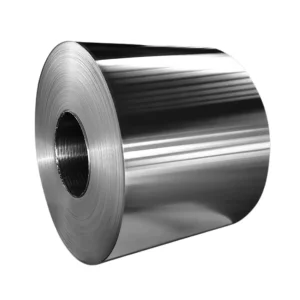
China hosts the world's most concentrated aluminum packaging supply chain. Primary bauxite refining, precision alloy sheet rolling (3104/5182 coil production), chemical lacquer formulation, and high-speed can stamping are co-located within dedicated industrial corridors.
This geographic density eliminates international intermediate freight, lowers raw material landing costs, and grants Chinese suppliers instant access to specialized alloy coil stocks—passing a direct 15% to 28% total cost advantage to overseas brand buyers.
Leading Chinese factories operate imported German Schuler, US Stolle, and Belvac necking and decorating lines capable of continuous throughput reaching 1,500 to 3,000 cans per minute per line.
While Western plants frequently enforce prohibitively high minimum order quantities (MOQs exceeding 500,000 units per design), Chinese suppliers support emerging brand scale-up through flexible plate-change scheduling and low-MOQ pilot batches.
In-house CTP (Computer-To-Plate) pre-press centers allow brand owners to approve metal color proofs within 5 to 7 working days, cutting time-to-market by more than half compared to legacy regional vendors.
From fast-paced urban retail shelves to luxury hospitality venues, explore how diverse beverage categories leverage the 250ml Slim format.
The 250ml Slim can is the iconic, globally recognized standard for functional energy formulations (taurine, caffeine, B-complex, adaptogens). Its slender profile fits comfortably in hand, vehicle cup holders, and active lifestyle settings, signaling concentrated vitality.
With the rapid explosion of premium premixed spirits (Gin & Tonic, Vodka Soda, Tequila Palomas, Hard Craft Seltzers), 250ml represents the ideal precise single-serve alcohol dose. Internal linings are specially fortified against low pH alcohol-acid aggressive formulations.
Nitrogenated beverages require enhanced pressure resistance to accommodate liquid nitrogen dosing prior to seaming. The 250ml Slim can structure safely maintains nitrogen head-pressure, yielding a smooth cascading pour and dense creamy foam head upon opening.
Consumers seeking sophisticated alternatives to sugary sodas prefer sparkling waters infused with organic essences, CBD, collagen, or electrolytes packaged in sleek 250ml aluminum bodies that convey modern minimalist luxury.
A step-by-step structural guide for procurement directors, supply chain leads, and brand owners sourcing 250ml Slim Cans directly from China suppliers.
Prior to mass production, submit liquid formula samples to the supplier's analytical laboratory. Conduct a 14-day to 30-day accelerated pack test in temperature-controlled incubators (37°C / 45°C) to quantify enamel resistance, aluminum ion dissolution (< 5 ppm target), and flavor integrity.
Convert brand CMYK/Pantone vector artwork into curved dry-offset printing plates. Request physical metal sample cans ("drawn proofs") printed on actual aluminum substrate to verify metallic sheen, text legibility down to 4pt font, and barcode scannability (ANSI Grade A/B).
Export cans are stacked on heavy-duty, heat-treated fumigated wooden or plastic pallets (1120mm × 1420mm standard). Cans are interleaved with corrugated slip-sheets, secured with top-frames, and encased in high-tension stretch-hood shrink film to prevent shift during transit.
A standard 40ft High Cube (40HC) ocean container holds approximately 120,000 to 140,000 unit empty 250ml Slim Cans.
Anticipate regulatory mandates, environmental initiatives, and technological evolutions governing aluminum packaging through 2030.
Aluminum is infinitely recyclable without loss of material quality, requiring 95% less energy to re-melt than primary bauxite smelting. Global mandates (such as the EU Packaging and Packaging Waste Directive) are driving mandatory post-consumer recycled (PCR) content targets up to 80%+ within raw aluminum coil stock.
R&D efforts focus on ultra-high-tensile modified 3104 alloys that enable body wall reduction down to 0.088mm while maintaining axial stackability. Lower material mass reduces ocean freight carbon footprints and offsets global aluminum ingot price volatility.
High-speed laser coding at the factory level enables high-resolution unique QR codes printed underneath easy-open end tabs or onto the can wall. This empowers consumer engagement campaigns, anti-counterfeiting tracking, and full farm-to-can supply chain traceability.
Detailed engineering and commercial answers to common technical queries encountered during supplier auditing and contract negotiations.
For plain/unprinted ("bright") 250ml Slim cans, the MOQ typically starts at 100,000 units (roughly one full 40ft HC shipping container). For custom 8-color printed cans, standard factory MOQs range from 150,000 to 300,000 units per artwork SKU to optimize high-speed plate setup, lacquer line purging, and print run efficiency.
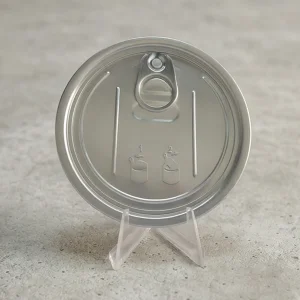
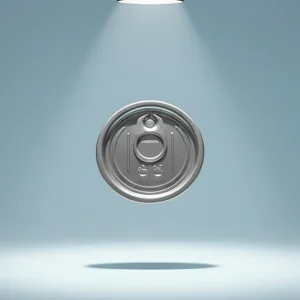
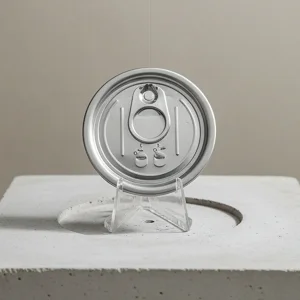
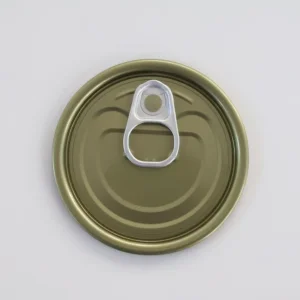
The 250ml Slim can universally features either a 200# or 202# neck diameter. It pairs with matching 200# or 202# Stay-On Tab (SOT) or Ring Pull Tab (RPT) easy-open ends in AA 5182 aluminum alloy. Specialized options include embossed tabs, colored tabs, or laser-etched promo ends.
Reputable Chinese aluminum packaging factories maintain ISO 9001, FSSC 22000, and ISO 22000 certified cleanroom facilities. Internal coatings strictly comply with US FDA 21 CFR 175.300, European Union Regulation (EC) No 1935/2004, EU 10/2011, and Chinese National Food Safety Standard GB 4806.10. Third-party testing reports from SGS, Intertek, or TÜV are provided with every export lot.
Production lead times average 14 to 21 working days post artwork CTP plate sign-off and deposit confirmation. Ocean freight duration varies by destination port: Southeast Asia (7-10 days), US West Coast (14-18 days), US East Coast (28-35 days), Europe (25-32 days), and Latin America (30-40 days).
Yes. Chinese 250ml Slim cans are manufactured strictly according to international standardized dimensions (compatible with Ferrum, Angelus, pneumatically controlled, or counter-pressure rotary seamers). Engineering drawings specifying countersink, curl thickness, and flange geometry are supplied prior to shipment for easy machine tooling setup.
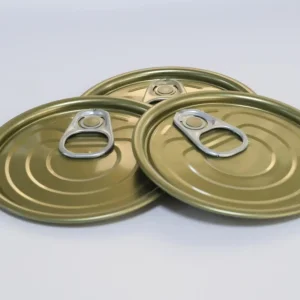
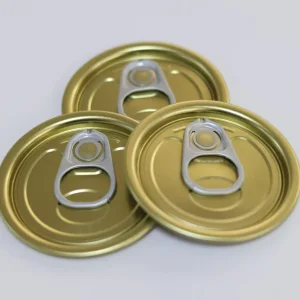
Complete your packaging architecture with certified high-barrier tinplate ends, freeze-resistant lids, and specialized industrial aluminum packaging options.