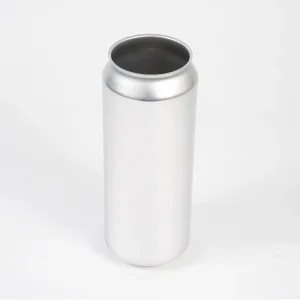
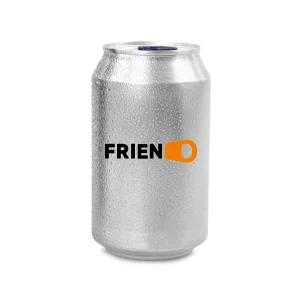
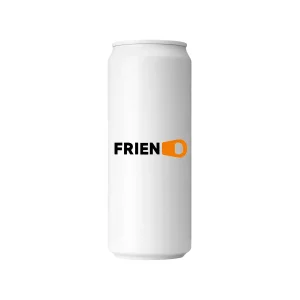
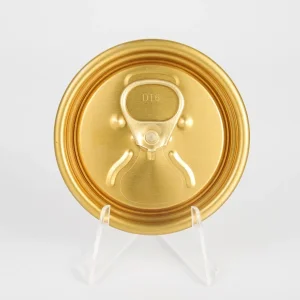
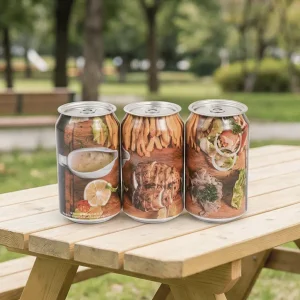
Explore our certified 16 oz (473ml) standard aluminum beer cans, sleek beverage bodies, and high-precision aluminum/tinplate easy-open lids manufactured in ISO-certified plants.
Analyzing consumer behavior shift, craft brewing expansion, and procurement metrics driving the transition to 16 oz standard two-piece aluminum container formats worldwide.
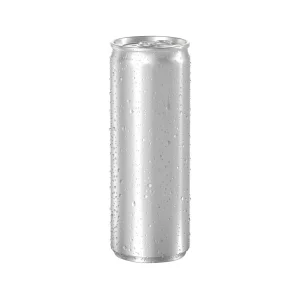
In the global beverage packaging landscape, the 16 oz aluminum beer can (equivalent to 473ml or the classic American pint) has transitioned from a niche craft beer packaging format into an industry-wide commercial benchmark. Originally championed by North American microbreweries seeking high-barrier protection against photo-oxidation and dissolved oxygen ingress, the 16 oz standard container format now dominates craft beer, India Pale Ales (IPAs), ready-to-drink (RTD) hard seltzers, cold brew coffee, and functional energy beverages across North America, Europe, Australia, and East Asia.
From an economic and consumer psychology standpoint, the 16 oz format delivers higher perceived retail value. Beverage brands leverage the larger canvas for vibrant 360-degree dry-offset lithographic printing, tactile matte varnishes, and distinctive brand storytelling. For contract beverage manufacturers and global importers, sourcing China 16 Oz Beer Cans directly from accredited OEM/ODM suppliers offers unparalleled scalability, competitive unit pricing, and tight dimensional tolerances engineered for high-speed filling lines operating at speeds up to 1,500 cans per minute (CPM).
How state-of-the-art Drawing and Wall Ironing (DWI) technology, automated optical inspection (AOI), and advanced polymer coatings give Chinese suppliers a global competitive edge.
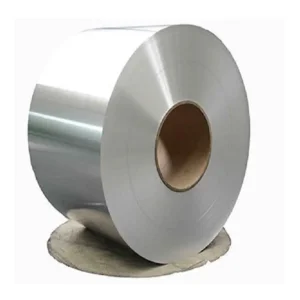
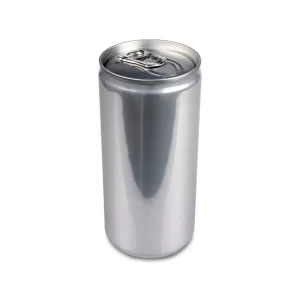
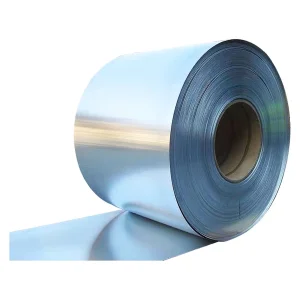
Our 16 oz can bodies are manufactured utilizing high-tensile 3104-H19 aluminum coil. This specific temper delivers optimum necking ductility, precise body wall ironing down to 0.095mm, and extreme axial collapse strength to withstand automated pallet stacking.
To comply with stringent EU 1935/2004 and US FDA 21 CFR 175.300 regulations, Chinese factories utilize advanced water-borne acrylic or polyester BPA-Non-Intent (BPA-NI) internal lacquers. Applied via high-speed rotary airless spray guns for uniform 100% barrier coverage.
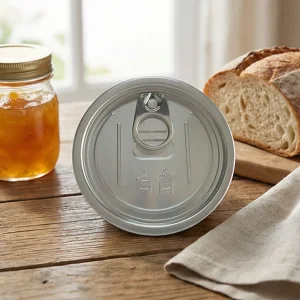
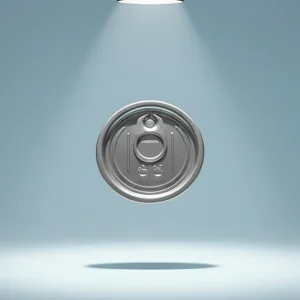
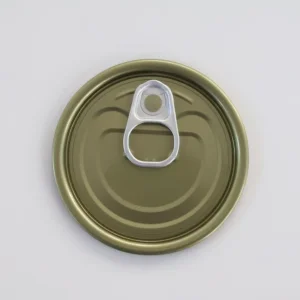
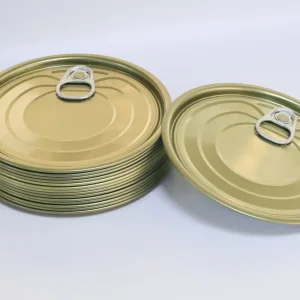
Pairing 202 Stay-On Tab (SOT) or CDL easy-open ends with precise countersink depth and flange profile guarantees zero micro-leakage during thermal tunnel pasteurization and long-distance maritime freight.
Engineering parameters for beverage filling line setup, seamer tooling calibration, and QA teardown validation.
| Dimensional / Performance Parameter | Standard 16 Oz (473ml) Can Specification | Tolerance Range | Testing Method / Industry Standard |
|---|---|---|---|
| Nominal Liquid Volume | 473 ml (16.0 US Fl. Oz.) | ± 2.0 ml | Brimful Volumetric Displacement |
| Brimful Capacity | 498 ml | ± 3.0 ml | Distilled Water Fill Weight @ 20°C |
| Can Body Diameter (Outer) | 66.30 mm | ± 0.20 mm | Digital Laser Micrometer |
| Total Can Height | 157.00 mm | ± 0.30 mm | Height Gauge with Contact Probe |
| Neck Opening Diameter | 202 Diameter (52.5 mm) | ± 0.15 mm | Go/No-Go Plug Gauge |
| Internal Pressure Buckle Strength | 6.2 Bar (90 PSI) Minimum | — | Pneumatic Destruction Pressure Tester |
| Axial Load Collapse Strength | 1.00 kN Minimum | — | Top Load Compression Tester |
| Internal Coating Thickness (BPA-NI) | 5.0 - 9.0 µm (Microns) | ± 0.5 µm | WACO Enamel Rater / Conductivity Gauge |
| Enamel Rater Pass Value | < 2.0 mA Current Pass | — | 1% NaCl Electrolyte Current Conduction |
From craft IPAs to nitro cold brew coffee, discover how custom internal coatings and neck engineering adapt 16 oz aluminum cans for volatile beverage formulations.
Craft beers require absolute light barrier protection to eliminate "skunking" caused by UV radiation reacting with hop isohumulones. The 16 oz aluminum body offers 100% UV isolation and zero oxygen permeability across a 12-month shelf life.
Spirit-based Ready-to-Drink (RTD) cocktails containing citric acid, fruit juices, or alcohol volumes (ABV) up to 14% require heavy-duty internal polymer linings (up to 12 µm) to prevent aluminum ion migration and pinhole liner degradation.
Nitrogenated beverages require enhanced dome reverse-burster geometry to sustain elevated internal dosing pressures (up to 55 PSI). China suppliers provide reinforced 16 oz can shells optimized for liquid nitrogen dosing systems.
Mitigating logistical overheads, optimizing pallet dunnage density, managing MOQs, and navigating international compliance standards for direct-from-factory procurement.
Procuring China 16 Oz Beer Cans at commercial scale requires an integrated supply chain model that balances container volume, freight cube efficiency, custom printing prepress, and international quality assurance. Because un-filled aluminum cans are light but bulky, optimizing 40ft High Cube (HQ) ocean container dunnage is critical to lowering per-unit landed costs.
Cans are stacked using slip-sheets, solid top frames, and industrial stretch-hooding. Standard 40ft HQ ocean containers accommodate 16 to 18 bulk pallets, housing approximately 84,000 to 92,000 un-filled 16 oz cans per shipment.
Suppliers offer high-speed dry-offset lithographic printing directly onto the aluminum body prior to necking. Features include matte finish, tactile spot-varnish, metallic gloss ink effects, and high-resolution artwork reproduction up to 133 LPI.
Reputable Chinese suppliers maintain ISO 9001, FSSC 22000, and SGS/TÜV certification. Every production batch includes a Certificate of Analysis (CoA) detailing alloy chemistry, enamel thickness, double-seam dimensions, and microbiological cleanliness.
Why modern 16 oz aluminum cans represent the ultimate sustainable packaging standard over single-use PET plastic and heavy glass bottles.
Environmental sustainability has transformed from a corporate social responsibility initiative into a strict regulatory and purchasing criterion for major beverage conglomerates. Aluminum beverage cans represent a prime model for closed-loop circular economy principles. Unlike plastic polymers that degrade in quality during recycling (downcycling), aluminum is infinitely recyclable without any loss of structural material properties.
Recycling aluminum requires approximately 95% less energy and generates 95% fewer greenhouse gas emissions compared to refining primary aluminum from raw bauxite ore. Furthermore, the light weight of 16 oz aluminum cans drastically reduces transport carbon emissions per hectoliter of liquid shipped compared to heavy glass containers.
Discover our full product line including 8011/5182 aluminum coils, food-grade tinplate ends, standard 330ml bodies, and 473ml (16 oz) cans direct from Chinese factories.
Clear, authoritative technical answers regarding minimum order quantities, filling line compatibility, coating safety, and shipping logistics.