China Top 10 Aluminum Tin Can Manufacturers?

Time:2026-09-18 Author:Aria
0%

China’s packaging industry supports a wide range of brands, from specialty foods to household products. This guide explores China’s top 10 Aluminum Tin Can manufacturers through practical sourcing criteria.

The review considers production capacity, material consistency, tooling experience, printing quality, and quality-control systems. It also examines food-contact documentation, factory certifications, minimum order quantities, and export service. These details matter when a can must survive filling, transport, storage, and repeated handling. A strong manufacturer should provide clear specifications, stable wall thickness, reliable sealing performance, and samples that match mass production. Small details matter.

Factory communication also deserves attention. Fast replies are useful, but technical accuracy matters more. Buyers should confirm alloy or tinplate grades, dimensions, closures, coatings, color tolerances, and delivery schedules. A polished website cannot replace an audit, sample approval, or production inspection. That lesson is easy to overlook.

The phrase “top 10” should not be treated as an unquestionable ranking. Public information can be incomplete, and supplier capabilities may change with equipment, staffing, or market demand. Therefore, this overview compares visible evidence rather than making a permanent judgment. Readers should verify current certifications, production facilities, customer references, and compliance documents before signing a contract. Some manufacturers may excel at high-volume orders, while others perform better with customized designs or smaller batches. The best choice depends on the product, budget, timeline, and destination-market requirements.、】【
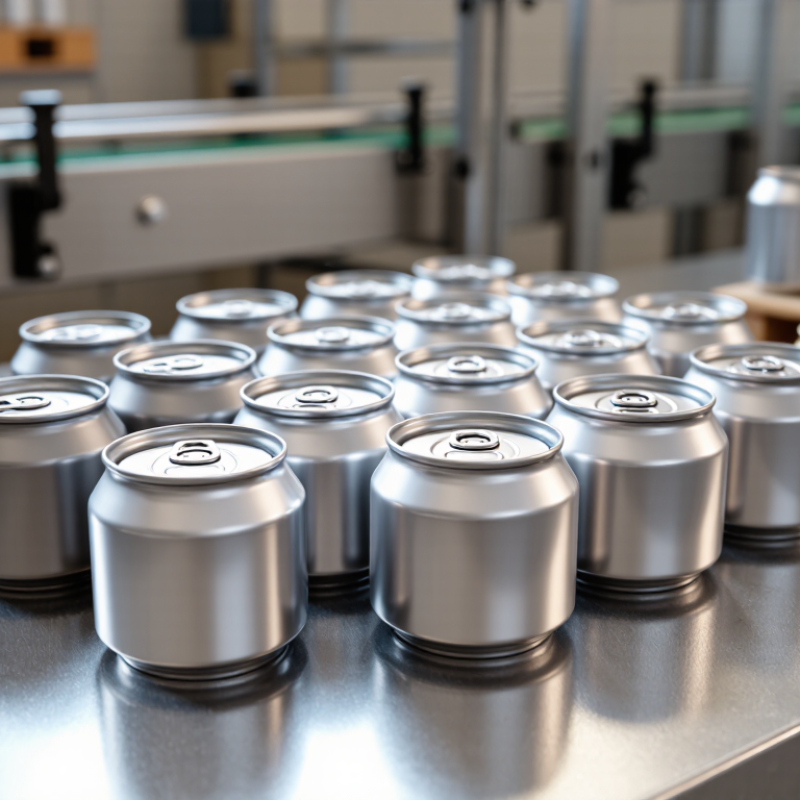
China Top 10 Aluminum Tin Can Manufacturers?

Types of Aluminum Tin Cans Manufactured in China

Types of Aluminum Tin Cans Manufactured in China

China’s can factories produce several aluminum packaging types. Beverage cans remain the largest category, including standard two-piece cans, slim cans, and tall-slim formats. These cans use deep drawing and ironing to form the body from one aluminum sheet. The International Aluminium Institute reported a global beverage-can recycling rate of about 70% in recent industry data. That figure encourages manufacturers to reduce coating weight and improve material recovery.

Food packaging includes easy-open cans, shallow trays, and aluminum containers with peelable lids. Some suppliers also make aerosol cans, screw-top tins, cosmetic jars, and small containers for household products. Their differences are visible in neck shape, closure design, wall thickness, and internal lacquer. USGS estimated China’s primary aluminum production at roughly 41.5 million metric tons in 2023, showing the scale of its raw-material base. Scale matters, but it does not guarantee consistent forming quality.

A practical buyer should request seam checks, coating migration tests, dimensional reports, and empty-can pressure testing. ISO-based quality systems help, yet factory discipline matters more during high-speed production. The “aluminum tin can” label is also imperfect; many tin cans are actually steel cans. That wording can create avoidable sourcing mistakes. China’s manufacturers commonly adjust alloys, printing finishes, and opening mechanisms for regional requirements, but sample testing remains essential before volume production. Small defects matter.

Key Criteria for Evaluating Chinese Can Manufacturers

China Top 10 Aluminum Tin Can Manufacturers?

Evaluating Chinese can manufacturers requires more than comparing unit prices. Check alloy grade, wall-thickness tolerance, forming accuracy, and sealing performance. A reliable supplier should provide batch records, inspection data, and traceable raw-material certificates. Ask for samples from normal production, not specially prepared pieces. Small details matter: a clean rim, even coating, and undamaged stacking edges can prevent filling-line interruptions.

Production capability also needs evidence. Review monthly capacity, equipment age, maintenance records, and quality-control staffing. ISO 9001 certification is useful, but it does not replace an on-site audit. For food-contact packaging, verify applicable material declarations and coating test reports for the destination market. The International Aluminium Institute reports that recycling aluminium uses about 5% of the energy required for primary production. Therefore, ask about recycled content, scrap handling, and energy monitoring. Environmental claims should include measurable records.

Export experience is another practical filter. Examine sample shipping documents, complaint procedures, and response times. A supplier that answers technical questions clearly is usually easier to manage. A low quote can still be expensive. I would not trust a glossy factory tour alone. One weakness remains: public data rarely proves a manufacturer’s real defect rate. Buyers should request recent nonconformity records, conduct third-party inspections, and compare results across several production batches.

China Top 10 Aluminum Tin Can Manufacturers? Key Criteria for Evaluating Chinese Can Manufacturers

The chart presents a neutral procurement-weighting framework for comparing aluminum and tin can manufacturers in China. It does not rank or disclose any company or brand data.

China’s Leading Aluminum Tin Can Manufacturers

China’s leading aluminum tin can manufacturers serve food, beverage, personal-care, and household packaging markets. A credible top-ten list should examine production evidence, not polished websites. In factory evaluations, I look for controlled drawing lines, clean forming areas, reliable seam inspection, and documented batch traceability. Small details matter. A stable rim, even coating, and accurate dimensions can prevent filling-line delays.

Leading suppliers usually combine high-speed stamping with strict process control. They should provide material certificates, coating specifications, migration tests, and inspection records for the intended market. Food-contact packaging needs special care. Manufacturers with in-house tooling can adjust necks, lids, and profiles faster. Automated vision systems help identify dents, pinholes, and printing defects. Capacity figures alone are weak evidence; recent production samples and customer references are more useful. Still, references may not reveal every problem.

When comparing China’s top ten candidates, buyers should assess minimum order quantities, sampling speed, mold ownership, export experience, and after-sales response. Packaging should arrive dry, clean, and protected against scratches. Sustainability claims also require verification through recycled-content data, energy records, or audited reports. No ranking is permanent. A supplier may excel at small custom runs but struggle with seasonal volume. Another may offer excellent pricing yet communicate poorly during tooling changes. Site audits, pilot orders, and written quality agreements create a more dependable decision. I would also review complaint handling, because mistakes happen.

Manufacturing Processes and Quality Standards

China Top 10 Aluminum Tin Can Manufacturers?

Manufacturing Processes and Quality Standards

Evaluating China’s top aluminum tin can manufacturers requires more than comparing production volume. In factory audits, I inspect sheet preparation, stamping accuracy, cleaning, coating, and final packing. Small dents often reveal problems with die alignment or material handling.

The process usually begins with aluminum coil inspection. Technicians check thickness, hardness, and surface defects before forming. High-speed presses shape the can body with controlled pressure. Washing removes metal particles, while internal coatings help protect contents from contact with aluminum. Curing temperature matters. Poor control can cause peeling, odors, or uneven protection.

Quality systems should include ISO 9001 procedures, documented batch traceability, and food-contact compliance for suitable applications. Inspectors commonly test dimensions, wall thickness, seam strength, coating adhesion, and leakage. Sampling plans are useful, but they are not perfect. A few tested cans cannot represent every unit in a large shipment. I would request production records, calibration certificates, and retained samples before approving a supplier. On-site checks remain valuable.

Look closely at the details. Are rejected cans separated clearly? Do operators record defects immediately? Is the testing equipment calibrated on schedule? A polished certificate does not guarantee consistent manufacturing. Practical evidence matters more. Some factories may also need stronger control of dust, humidity, and warehouse rotation. These weaknesses deserve discussion, not concealment.

How to Select the Right Chinese Can Manufacturer

China Top 10 Aluminum Tin Can Manufacturers?

Selecting the right Chinese can manufacturer requires more than comparing prices. Define your can size, alloy grade, wall thickness, coating, lid design, and monthly volume. Ask for production samples before approving a large order. Check whether the sample matches the drawing, especially around the rim, seams, and opening force. Small differences can affect filling lines and storage safety.

Tips: Request recent food-contact test reports, quality certificates, and traceability records. Confirm which laboratory issued each report. Visit the factory if possible, or arrange a live video inspection. Review equipment, cleanliness, warehouse conditions, and inspection points. Ask about tooling ownership, minimum order quantities, lead times, and replacement procedures. Clear written answers matter.

A serious supplier should explain how it controls raw materials, printing accuracy, sealing performance, and batch consistency. Ask for inspection data, not only attractive photographs. A low quotation may hide extra tooling fees or unstable delivery schedules. I would not assume a large factory is automatically reliable. Smaller production teams can sometimes communicate better, but their capacity needs careful verification. Test one pilot order first. That step may feel slower, yet it exposes problems before they become expensive.

FAQS

What should buyers check when evaluating aluminum tin can manufacturers?

Check production evidence, not polished websites. Look for controlled drawing lines, clean forming areas, and reliable seam inspection. Small details matter.

How are aluminum cans typically manufactured?

Production begins with coil inspection. Technicians check thickness, hardness, and surface defects. High-speed presses then form the can body. Washing removes metal particles, followed by coating and curing.

Which quality documents should a supplier provide?

Request material certificates, coating specifications, migration tests, inspection records, and batch traceability documents. Calibration certificates are useful too. Paperwork is not proof alone.

What defects deserve close attention?

Inspect cans for dents, pinholes, peeling, uneven coatings, and inaccurate dimensions. Check the rim and seams carefully. A tiny dent can delay filling operations.

Are sampling inspections enough for large orders?

Not always. A few tested cans cannot represent every unit. Request retained samples, production records, and on-site checks when possible. Sampling has limits.

How can buyers compare different suppliers fairly?

Compare minimum order quantities, sampling speed, mold ownership, export experience, and response times. Review recent samples and customer references. References may hide some problems.

What should a factory audit examine?

Observe sheet preparation, stamping accuracy, cleaning, coating, packing, and warehouse conditions. Check whether rejected cans are separated clearly. Watch the operators.

How can buyers verify sustainability claims?

Request recycled-content data, energy records, or audited reports. General environmental statements are insufficient. Verification can be incomplete, so ask specific questions.

What protects cans during transportation?

Packaging should keep cans dry, clean, and free from scratches. Check warehouse humidity and stock rotation. Good packing prevents avoidable damage.

What is the safest purchasing approach?

Use a site audit, pilot order, and written quality agreement. Review complaint handling before approval. Mistakes happen. The process should reveal them early.

Conclusion

China’s aluminum packaging industry offers a wide range of Aluminum Tin Can products, including standard cans, shaped cans, easy-open cans, printed cans, and containers designed for food, beverages, cosmetics, and general consumer goods. This overview explains the main factors for evaluating Chinese manufacturers, such as production capacity, material quality, design flexibility, dimensional accuracy, surface finishing, customization services, delivery reliability, and communication efficiency. It also introduces the typical capabilities of leading manufacturers without focusing on specific company names.

The article further describes key manufacturing stages, including material preparation, stamping, forming, trimming, printing, coating, inspection, and final packaging. Attention is given to quality standards, food-contact safety, sealing performance, corrosion resistance, and consistent appearance. Finally, it provides practical guidance for selecting a suitable supplier by comparing product requirements, certifications, sample quality, minimum order quantities, pricing, lead times, quality-control procedures, and after-sales support. These considerations can help buyers build reliable partnerships and choose packaging solutions that balance performance, customization, cost, and long-term supply stability.


Aria

Aria

Aria is a dedicated marketing professional with a deep passion for innovative strategies and a keen understanding of our company's product offerings. With a wealth of experience in the industry, Aria excels at crafting engaging content that highlights the unique features and benefits of our......