How to Choose the Best Aluminum Can Lids for Your Business

Time:2026-09-18 Author:Madeline
0%

Choosing the right Aluminum Can Lids can influence product safety, filling efficiency, shelf appeal, and customer trust. A lid is not merely a metal cover. It must work with the can diameter, beverage formula, filling line, sealing pressure, and storage conditions. Robert Budway, President of the Can Manufacturers Institute, offers a practical industry perspective: “A can is only as reliable as its complete packaging system.”

That principle deserves attention.

Begin by identifying the product’s real requirements. Carbonated drinks may need strong pressure resistance and precise sealing. Acidic beverages require suitable internal coatings and dependable liner performance. Check the lid’s alloy, tab design, opening force, and compatibility with your existing equipment. A small mismatch can cause leaks, slow production, or damaged cartons.

Supplier reliability matters just as much. Ask for technical specifications, food-contact documentation, production samples, and quality-control records. Test lids under realistic conditions, including transport vibration, temperature changes, and extended storage. Laboratory results help, but factory experience reveals problems faster.

Sustainability also needs a careful look. Lightweight lids can reduce material use, yet thinner designs may demand stricter process control. That trade-off is easy to underestimate. I would not choose the cheapest option without testing it.

The best Aluminum Can Lids support the entire packaging system. They should protect the product, run smoothly, and create a clean opening for consumers. However, no universal lid fits every business. The right decision comes from measured testing, transparent supplier communication, and a willingness to revise assumptions.
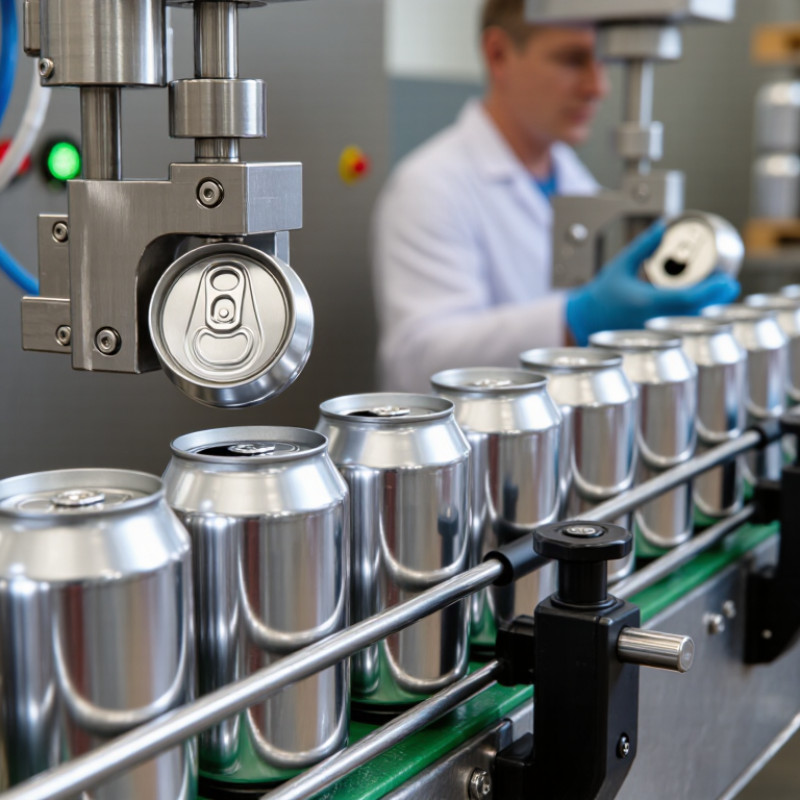
How to Choose the Best Aluminum Can Lids for Your Business

Understanding Aluminum Can Lid Types and Their Applications

Choosing a can lid starts with the opening, not the alloy grade.
Standard stay-on-tab ends suit carbonated drinks, water, and high-speed filling lines. Their scored panel remains attached, reducing loose-metal litter during use.
Large-opening ends provide faster pouring for energy drinks, soups, and thicker beverages. Peelable aluminum ends create a wide, smooth opening for ready-to-eat foods. They also need stronger seal testing.

Application changes the lid specification.
Beverage ends prioritize pressure resistance, seam integrity, and easy tab movement. Food ends may require retort compatibility, deeper countersinks, or oxygen control.

The Can Manufacturers Institute reported a 43% U.S. aluminum beverage-can recycling rate in 2022. That figure makes material recovery a practical design issue, not a slogan. European Aluminium reports that recycling aluminum uses about 5% of the energy required for primary production. I would favor compatible coatings and simple material structures when performance allows.

Check the container diameter, filling speed, internal pressure, and sterilization cycle before ordering.
Ask for seam-tear, leakage, corrosion, and tab-force test data. A lower tab force feels convenient, but it can increase accidental opening during transport. I have seen specifications look excellent on paper and fail after vibration testing.
This is where supplier samples matter. Trial them with your actual product.
The best lid should open cleanly, seal consistently, and fit your recovery system. Perfect specifications are not always perfect in production.

Evaluating Material Quality, Safety, and Barrier Performance

Choosing aluminum can lids requires more than checking thickness or appearance. Material quality affects sealing, durability, and product protection. Look for consistent aluminum thickness across the lid. Uneven areas may create weak sealing points during production. A clean, smooth surface also reduces the risk of scratches, cracks, or loose coating.

Safety begins with suitable contact materials and controlled manufacturing. Ask suppliers for current material specifications, coating details, and relevant test records. The inner coating should resist the product without flaking or changing its smell.

Sharp edges deserve attention, especially during high-speed filling and handling. A lid may look reliable but still fail under pressure, vibration, or temperature changes. That is an easy detail to underestimate.

Tips: Test sample lids with your actual cans and filling process. Check seal strength after storage, transport, and temperature cycling. Examine opened lids for torn metal, coating damage, or unusual odor. Compare barrier performance against moisture, oxygen, and light needs. A practical trial often reveals problems that technical sheets miss. Do not rely on a single test result; production conditions can vary. Even experienced teams should review their assumptions when the product formula or filling line changes.

Matching Lid Features to Your Product and Filling Process

How to Choose the Best Aluminum Can Lids for Your Business

The right aluminum can lid must match both the product and the filling process. Carbonated drinks need strong pressure resistance, accurate scoring, and a reliable double seam. Acidic products may require a suitable internal coating to reduce flavor changes and metal interaction. For hot-fill or pasteurized products, confirm the lid tolerates temperature swings without warping. Small details matter, including opening force, tab position, curl shape, and lid diameter.

According to the Can Manufacturers Institute’s 2023 U.S. Beverage Can Study, aluminum beverage-can recycling reached about 43%. The International Aluminium Institute also reports that nearly 75% of all aluminum ever produced remains in use. These figures support choosing recyclable lids, but recyclability alone should not drive the decision. A thinner lid may reduce material use, yet it can create seam failures or damage during transport.

Test the lid on your actual filling line. Check vacuum, pressure, seam thickness, coating adhesion, and opening performance after storage. Do not rely only on supplier samples. Real products behave differently. A syrupy drink, salty food, or chilled beverage may expose weaknesses that water never shows. I have seen lightweight options appear efficient on paper, then require slower line speeds. That assumption can fail. Record the results, review rejected cans, and adjust the lid specification before full-scale production.

Comparing Suppliers, Customization Options, Costs, and Order Requirements

Choosing aluminum can lids requires more than comparing the lowest quoted price. Supplier experience matters. Ask for material specifications, production capacity, quality records, and food-contact documentation. A reliable supplier should explain aluminum thickness, coating performance, liner materials, and sealing compatibility. Request recent samples, not only catalog images. Check the lid on your actual can body, because small diameter differences can cause leaks or weak seams.

Customization may include color, printing, pull-tab shape, embossing, and protective coatings. Each option affects tooling, production time, and minimum order quantity. Simple color changes may cost less than a new tab design. Custom tooling can also create a large initial charge. Confirm ownership and storage terms for tooling before payment. Request a written sample approval process. It prevents disagreements later. Still, samples are not production guarantees. I once underestimated how a coating change could affect sealing speed. That mistake delayed testing.

Cost calculations should include tooling, samples, packaging, freight, inspection, and possible import charges. Compare the full landed cost, not just the price per thousand lids. Ask suppliers to state tolerances, defect limits, replacement policies, and payment stages. Order requirements should cover artwork files, technical drawings, forecast volume, delivery dates, and storage conditions. Begin with a manageable trial order when possible. A very low minimum order may limit customization, while a high minimum can trap cash in inventory. Build extra time for testing and transport. Plans often look precise until the first shipment arrives.

Checking Compliance, Sustainability, and Supply Reliability

How to Choose the Best Aluminum Can Lids for Your Business

Compliance should be checked before price negotiations begin. Request food-contact declarations, migration-test results, and lot-level traceability from each lid supplier. ISO 22000-based controls can support safer production, but certification alone is not proof of every specification. Confirm coating chemistry, sealing performance, and dimensional tolerances against your filling line. Ask for recent test records, not polished promises. Small gaps become expensive recalls.

Sustainability needs measurable evidence. The International Aluminium Institute reports that recycled aluminium requires about 5% of the energy used for primary aluminium production. That advantage depends on recycled content, efficient forming, and practical collection systems. The United Nations Environment Programme’s Global Resources Outlook 2024 links rising resource extraction with growing environmental pressure. Request recycled-content percentages, energy data, and emissions boundaries. Vague “eco-friendly” language is not enough. Sometimes, it is marketing.

Supply reliability is less visible, but equally important. The World Bank’s Commodity Markets Outlook identifies energy costs and geopolitical disruption as continuing risks for metals markets. Review supplier capacity, backup production sites, safety-stock policies, and average lead times. Ask how quickly they communicate shortages. A low unit price can still be expensive. I would also test samples from multiple production batches. One overlooked weakness is dependence on a single approved lid design. A qualified alternative may protect production when transport delays or material shortages appear.

How to Choose the Best Aluminum Can Lids for Your Business

The procurement score below uses five auditable criteria that matter when evaluating aluminum can lids: food-contact compliance, sustainability evidence, supply reliability, traceability, and quality consistency. Each category is scored from 0 to 100 and should be verified through supplier documentation and audits.

Prioritize lids supported by food-contact declarations, applicable regulatory documentation, verified recycled-content evidence, stable lead-time records, dual-source planning, alloy and coating traceability, and documented quality controls. Sustainability claims should be supported by recognized chain-of-custody or recycled-content certification.

FAQS

Why does aluminum lid thickness matter?

Consistent thickness supports stronger seals and better protection. Uneven areas may create weak points during filling. Thinner is not always better.

How can I check lid safety?

Request current material specifications, coating details, and test records. Check that the inner coating resists flaking, odor, and product interaction. Sharp edges need careful inspection.

Should lids be tested with the actual product?

Yes. Test them on your real cans and filling line. Water may not reveal problems caused by syrup, salt, acidity, or carbonation.

What conditions should product testing include?

Check seal strength after storage, transport, and temperature cycling. Inspect opened lids for torn metal, coating damage, and unusual odors. Pressure changes can expose hidden weaknesses.

Which lid features suit carbonated products?

Carbonated products need pressure resistance, accurate scoring, and a reliable double seam. Opening force and tab position also affect customer handling.

What should hot-filled or pasteurized products require?

Confirm that the lid tolerates sudden temperature changes without warping. Review coating adhesion and seam performance after heating and cooling.

How should suppliers be compared?

Compare specifications, capacity, quality records, food-contact documents, and recent samples. Catalog images are not enough. Small diameter differences can cause leaks.

What customization costs should I expect?

Color, printing, tab shape, embossing, and coatings may change tooling and production time. New tooling can create a large initial charge. Confirm ownership terms in writing.

How should the total cost be calculated?

Include tooling, samples, packaging, freight, inspection, and possible import charges. Compare the full delivered cost, not only the price per thousand lids.

Is a small trial order worthwhile?

Usually, yes. A trial can reveal slower line speeds, weak seams, or coating problems. Still, samples do not guarantee full production results. Test assumptions again.

Conclusion

Choosing the right Aluminum Can Lids is essential for protecting product quality, improving filling efficiency, and meeting customer expectations. Businesses should first understand the main lid types and their intended applications, then evaluate material quality, food-contact safety, sealing strength, and barrier performance against oxygen, moisture, light, and contamination. The best option should match the product’s characteristics, can design, filling temperature, sealing equipment, and storage conditions.

When comparing suppliers, consider customization capabilities, technical support, minimum order quantities, lead times, pricing, and total purchasing costs rather than unit price alone. It is also important to confirm compliance with relevant packaging standards, responsible material sourcing, recyclability, and sustainability goals. A dependable supplier should offer consistent quality, reliable production capacity, clear inspection procedures, and stable delivery performance. By assessing these factors together, businesses can select Aluminum Can Lids that provide secure sealing, efficient operations, long-term value, and dependable supply continuity.


Madeline

Madeline

Madeline is a dedicated marketing professional with a wealth of expertise in our company's core offerings. With a keen understanding of the industry, she brings a unique perspective to her role, consistently delivering high-quality content that highlights the superior aspects of our products. As......