China Best Aluminium Tin Cans Wholesale Supplier?

Time:2026-10-12 Author:Sophia
0%

Choosing the China Best Aluminium Tin Cans Wholesale Supplier requires more than comparing online prices. Buyers should examine material quality, production experience, testing procedures, and export reliability. In many markets, “tin cans” may describe aluminium containers, so clear product terminology matters. A professional supplier should explain alloy grades, wall thickness, coating options, lid compatibility, and printing performance.

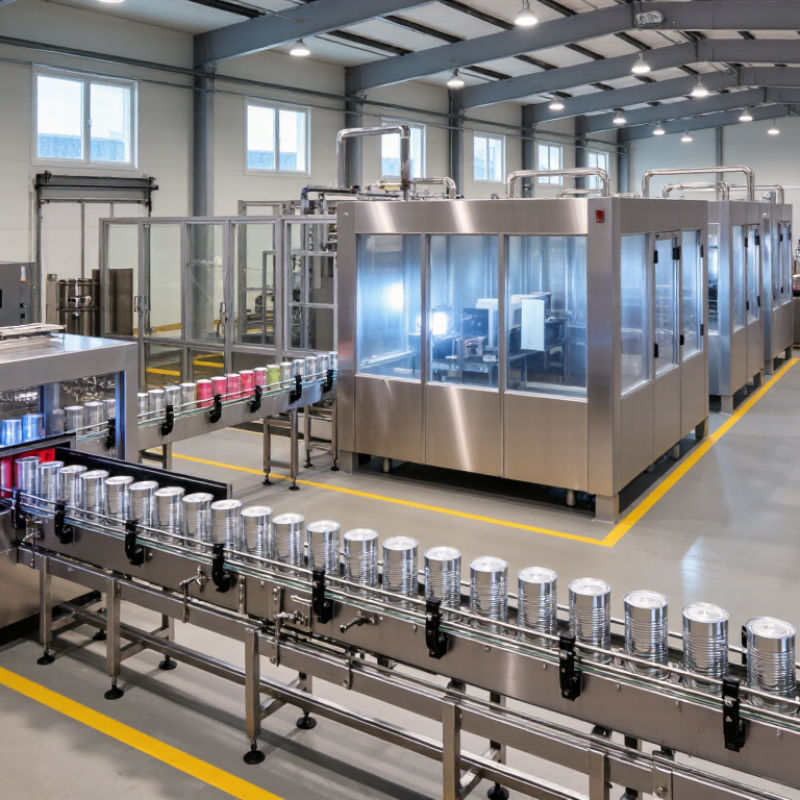
Look closely at factory evidence. Request recent product samples, inspection records, and photographs of actual production lines. Check whether the supplier controls forming, washing, coating, printing, and final packaging. Food-contact products need suitable materials and documented compliance with applicable market requirements. Cosmetic, pharmaceutical, and general packaging projects may require different finishes and tolerances. Small details matter.

Ask practical questions.

What is the minimum order quantity? How stable is the delivery schedule? Can the factory reproduce one batch accurately? A trustworthy partner should provide a clear quotation, realistic lead time, and transparent payment terms. Independent inspections can reduce surprises before shipment. However, no supplier is perfect. Sample quality may not fully represent mass production, and a low price can hide tooling, freight, or packaging costs. Buyers should compare total value, not only unit cost. Supplier reviews, communication speed, corrective-action records, and after-sales support also reveal operational maturity. This guide will help importers evaluate Chinese Aluminium Tin Cans manufacturers with a balanced, evidence-based approach. The strongest decision usually comes from verified details, not confident promises.
China Best Aluminium Tin Cans Wholesale Supplier?

What Makes China a Top Aluminium Tin Can Wholesale Supplier?

China has become a top aluminium tin can wholesale supplier through strong manufacturing depth and flexible production capacity. In factory projects, buyers can often compare forming, trimming, printing, and sealing processes in one production region. This shortens communication and supports faster adjustments. It also helps control costs for different order volumes.

Experienced suppliers usually provide material certificates, coating details, dimensional reports, and batch inspection records. These documents matter when cans must protect oils, creams, powders, or other approved products. Reliable factories test wall thickness, lid fit, surface finish, and leakage resistance before shipment. Small details matter. A loose lid can damage an otherwise attractive package.

China’s advantage is not only low pricing. It includes mold development, color matching, surface treatment, and coordinated logistics. However, not every supplier offers the same level of control. A polished sample may hide inconsistent production. Buyers should review factory experience, inspection methods, production photos, and independent test results. Clear drawings reduce mistakes. Written specifications reduce arguments.

There is room for improvement. Some suppliers still rely too heavily on visual checks, while precise measurements are more dependable. Buyers should request samples from different batches and confirm packaging strength before placing large orders. Practical communication, traceable records, and realistic delivery schedules make wholesale cooperation more reliable.

Key Can Specifications: 0.10–0.30 mm Walls, Sizes, and Coatings

For a China aluminium tin can wholesale supplier, wall thickness is a practical quality decision.

Standard can walls often range from 0.10 to 0.30 mm, depending on diameter, height, forming pressure, and end design. A 0.10 mm body saves material, but it needs accurate forming and careful transport. Thicker 0.30 mm walls provide greater rigidity for demanding filling or stacking conditions. The exact gauge should be confirmed through sampling, not only a quotation sheet.

Common capacities include 100 ml, 250 ml, 330 ml, 500 ml, and 1,000 ml. Diameter and height affect stability more than capacity alone. A tall, narrow can may buckle sooner than a shorter design with the same volume.

Ask suppliers for wall-thickness maps, dimensional tolerances, seam measurements, and compression-test results. Small details matter. I would also request samples from different production batches, because one approved sample can hide process variation.

Internal coatings protect aluminium from acidic or salty contents, while external coatings improve printing, abrasion resistance, and handling. Coating selection should match the formula, filling temperature, and storage period.

The International Aluminium Institute reports that recycling aluminium requires about 5% of the energy used for primary production, supporting material-efficient designs. Still, thinner is not automatically better.

A recent industry sustainability review may show impressive weight reductions, but real performance depends on transport damage and rejection rates. That is where many specifications become less convincing.

Reliable purchasing records should include coating adhesion, corrosion resistance, and leak-test data from an independent laboratory.

How Chinese Suppliers Meet ISO 9001 and Food-Contact Standards

China Best Aluminium Tin Cans Wholesale Supplier?

A reliable Chinese supplier should show more than attractive wholesale pricing. ISO 9001 demonstrates controlled processes, not automatic food-contact compliance. Buyers should request a current certificate, audit scope, and issuing body details. Verify that the certificate covers the actual production site. Evidence matters.

Experienced suppliers normally control aluminium thickness, coating quality, sealing performance, and printing materials. They should provide material certificates, batch records, and traceability from coil to finished can. Food-contact testing may include overall migration, specific migration, and coating composition checks. Requirements differ between markets, so suppliers must match testing to the destination country. A clear declaration of compliance is essential.

Factory visits can reveal practical details. Inspect clean storage areas, separated chemicals, calibrated testing tools, and documented hygiene procedures. Ask how rejected cans are isolated and how corrective actions are recorded. Some factories still rely on manual records, which can create gaps. That weakness deserves attention. A certificate alone is not enough.

For wholesale buyers, sample approval should include dimensional checks, lid fit, odor inspection, and simulated filling tests. Keep approved samples and compare later batches against them. Reliable suppliers welcome these controls because consistency protects both sides. Still, no quality system is perfect. Regular third-party testing and periodic supplier reviews remain sensible.

China Aluminium Tin Can Supplier Compliance Reference Timeline

Key international and Chinese standards commonly reviewed when sourcing aluminium tin cans for food-contact applications. The years show the referenced edition or publication year, not supplier certification results.

ISO 9001:2015 focuses on quality management systems, while GB 4806.1, GB 4806.9 and GB 31604 provide relevant Chinese food-contact safety and testing references. Buyers should request current certificates, declarations of compliance, material specifications and test reports from each supplier.

MOQ, Production Capacity, Lead Times, and Wholesale Cost Factors

China Best Aluminium Tin Cans Wholesale Supplier?

Choosing a reliable aluminium tin can supplier requires more than comparing unit prices. Confirm the MOQ for each size, finish, and printing method. A lower MOQ may increase setup costs. Large orders usually receive better tooling and production rates. However, excess inventory can damage cash flow and storage space.

Ask for verified monthly capacity, not only a catalog figure. Request production samples, dimensional checks, material specifications, and applicable food-contact documents. Standard cans may ship within 20–35 days after artwork approval. Custom shapes, new molds, or complex finishes may require 45–70 days. Always confirm whether lead time includes sampling, production, inspection, and export preparation. Small delays often begin with unclear artwork.

Tips: Compare total landed cost, including tooling, inner packing, freight, duties, and inspection. Ask how rejected units are handled. Check whether the supplier can maintain wall thickness across repeat orders. Request a written production schedule. A video factory tour helps, but it is not proof of consistent quality. I would still order a pilot batch before committing to a large volume. Unit price alone is an incomplete answer.

How to Audit Quality, Recycling Data, Samples, and Export Credentials

Choosing a China aluminium tin can wholesale supplier requires more than comparing prices. Begin with a factory audit, either in person or through a qualified inspector. Check can diameter, height, wall thickness, coating coverage, and seam strength. Ask for batch records and recent leak-test results. Randomly open cartons, because polished samples may not represent daily production. Small details matter.

Recycling claims also need evidence. Request the percentage of recycled aluminium, supplier declarations, and recent material test reports. Confirm whether the data covers the can body, lid, or both. A vague “eco-friendly” statement proves little. Samples should come from normal production, not a special trial line. Test them for dents, sharp edges, coating odour, dimensional accuracy, and compatibility with your filling process. Keep approved samples for future comparison.

Export credentials deserve the same attention. Verify the company registration, manufacturing address, exporter status, and customs documents. Ask for redacted bills of lading or previous shipment records. Check packaging, pallet treatment, product codes, and agreed delivery terms. No audit is perfect. I would record every unanswered question, even when the supplier appears reliable. A confident sales response cannot replace measurable evidence. Some checks may slow purchasing, but one overlooked seam defect can damage an entire shipment.

FAQS

Does ISO 9001 prove that aluminium cans meet food-contact requirements?

No. ISO 9001 shows controlled quality processes, not automatic food-contact compliance. Request a current certificate, audit scope, and issuing body details. Verify the certificate covers the actual production site. Evidence matters.

What food-contact documents should buyers request?

Ask for material certificates, coating composition details, and batch traceability records. Request overall migration and specific migration test reports. The testing should match the destination market’s requirements. A declaration of compliance is essential.

How can buyers inspect a factory’s practical quality controls?

Check clean storage areas, separated chemicals, and calibrated testing equipment. Review hygiene procedures and rejected-can isolation methods. Ask how corrective actions are recorded. Manual records can create gaps.

What should a sample approval process include?

Measure diameter, height, wall thickness, and lid fit. Inspect for dents, sharp edges, coating odour, and printing defects. Run simulated filling and leak tests when possible. Keep approved samples for later comparison.

How do MOQ and wholesale costs affect purchasing decisions?

Confirm the MOQ for every size, finish, and printing method. A lower MOQ may increase setup costs. Large orders can reduce tooling and production costs. Excess inventory may strain cash flow and storage space.

What production capacity and lead-time details should buyers verify?

Request verified monthly capacity instead of relying on catalog figures. Standard cans may take 20–35 days after artwork approval. Custom shapes and complex finishes may require 45–70 days. Confirm whether sampling, inspection, and export preparation are included. Artwork confusion causes avoidable delays.

How should buyers audit recycling claims?

Request recycled-aluminium percentages, supplier declarations, and recent material test reports. Confirm whether the data covers the can body, lid, or both. An “eco-friendly” statement alone proves little. The numbers may still need independent checking.

Which export credentials and shipment records deserve review?

Verify company registration, manufacturing address, exporter status, and customs documents. Request redacted shipment records when available. Check pallet treatment, packaging, product codes, and delivery terms. A video tour helps, but it does not prove consistency. I would still order a pilot batch.

Conclusion

China has become a leading wholesale source for Aluminium Tin Cans because its manufacturers combine broad production capacity, flexible customization, competitive pricing, and established export experience. Buyers can typically specify wall thicknesses from 0.10 to 0.30 mm, along with different can sizes, shapes, finishes, internal coatings, and external printing options. Reliable suppliers should also demonstrate ISO 9001-based quality management and provide suitable food-contact documentation when cans are intended for food or beverage applications.

Wholesale decisions should consider minimum order quantities, monthly production capacity, tooling requirements, lead times, shipping arrangements, and the total cost of materials, coatings, decoration, and packaging. Before placing an order, buyers should review samples, inspect dimensional accuracy, sealing performance, coating consistency, and corrosion resistance. They should also request recycling information, factory audit records, quality inspection reports, and valid export credentials to confirm that the supplier can deliver consistent, compliant, and environmentally responsible products.


Sophia

Sophia

Sophia is a dedicated marketing professional with an exceptional depth of knowledge about her company's products and services. With a keen understanding of market trends and customer needs, she crafts insightful blog posts that not only inform but also engage readers, enriching the company’s online......