Aluminium Can Packaging combines lightweight protection, fast filling, and established recycling infrastructure. A chilled can feels cool, rigid, and familiar in the hand. Its opaque metal wall also shields beverages from light, helping protect taste and product quality.
The International Aluminium Institute reports that recycling aluminium uses about 95% less energy than producing primary aluminium. That advantage matters because energy efficiency influences both manufacturing costs and environmental performance. The Can Manufacturers Institute’s latest U.S. recycling data places the aluminium beverage can recycling rate near 43%. This figure is meaningful, but not impressive enough. Collection gaps, contamination, and regional infrastructure still limit recovery.
Tom Dobbins, President and Chief Executive Officer of the Aluminum Association, has said, “Aluminum is infinitely recyclable.” The statement reflects aluminium’s material value, not a promise that every can returns to production. Repeated recycling depends on consumers, sorting systems, smelters, and responsible packaging design.
Packaging professionals also examine gauge, lid strength, printing, internal coatings, and transport weight. A thinner can may reduce material use, yet it must survive stacking, vibration, and pressure changes. Small design choices matter.
The market is growing. Research and Markets identifies beverage demand, convenience, and sustainability goals as major drivers of aluminium can consumption. However, growth alone does not prove better packaging. Aluminium Can Packaging performs best when manufacturers design for durability, efficient logistics, clear consumer guidance, and high recovery rates. Its advantages are substantial, but its circular future requires practical investment—not slogans.
What Aluminium Can Packaging Is
What Is Aluminium Can Packaging and Why Use It?
What Aluminium Can Packaging Is
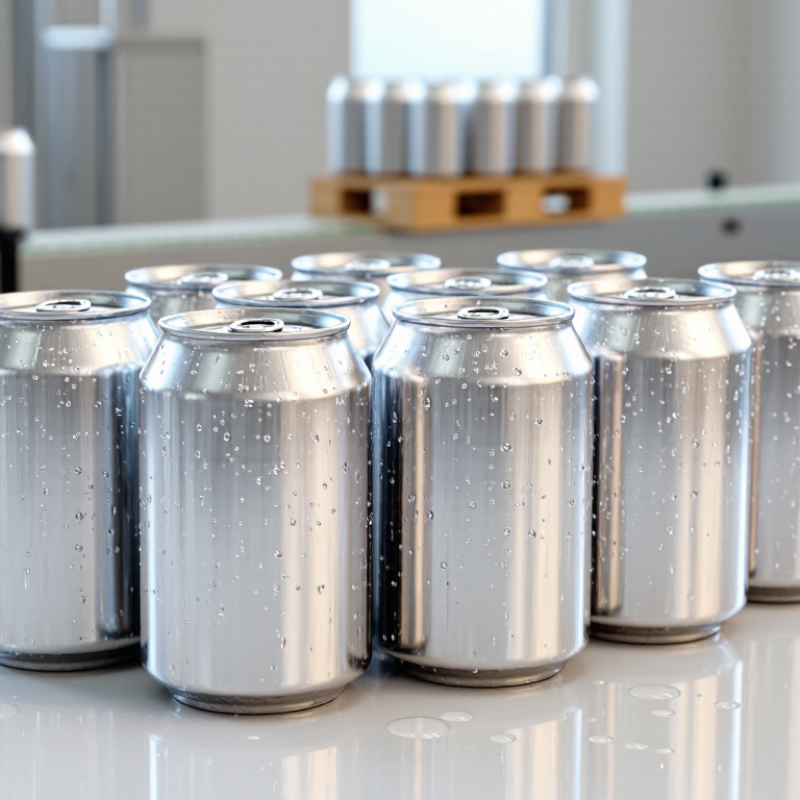
Aluminium can packaging is a lightweight, rigid container made from rolled aluminium sheet. It usually includes a can body, a shaped lid, and a pull tab. Protective internal coatings help prevent contact between the product and metal. External printing adds color, instructions, and recycling information without requiring a paper label.
Manufacturers form the body through drawing and ironing. They then wash, coat, print, neck, and seal the can. This process creates a thin container with strong pressure resistance. The International Aluminium Institute reports that recycling aluminium uses about 95% less energy than producing primary aluminium. The material also retains its properties through repeated recycling. Still, collection systems differ widely. A can is not automatically circular.
Aluminium cans suit beverages, foods, personal-care products, and household liquids. Their opaque walls block light, while their tight seams help protect freshness. The format is practical, but it is not perfect. Primary aluminium production can create significant environmental impacts, especially when electricity comes from fossil fuels. The Aluminium Association reports that recycled aluminium can reduce energy use substantially compared with new metal production.
Tips: Check the can’s coating for product compatibility. Keep lids and bodies together during recycling. Avoid vague “eco-friendly” claims without verified lifecycle data. Use regional recycling guidance, because accepted formats vary.
Key Features of Aluminium Can Packaging
What Is Aluminium Can Packaging and Why Use It?
Aluminium can packaging uses thin, formed aluminium sheets to protect drinks, food, and selected household products. Its key features include low weight, strong impact resistance, and an effective barrier against light, oxygen, and moisture. This helps preserve taste and product quality during storage. The metal also cools quickly, which matters at retail shelves and outdoor events.
It is highly recyclable. The International Aluminium Institute reports that about 75% of all aluminium ever produced remains in use today. This reflects the metal’s durability and repeated recovery potential. European Aluminium states that recycling aluminium can save up to 95% of the energy required for primary production. The exact result depends on collection systems, sorting quality, and regional electricity sources. Data needs context.
Can walls can be made thinner while maintaining practical strength. Their smooth surfaces support clear printing and consistent filling-line performance. The lightweight format can also reduce transport loads, though this benefit varies with distance and logistics. Aluminium is not automatically sustainable. Mining creates environmental pressure, and poorly managed waste still becomes a problem. Packaging teams should check recycled content, closure design, coating safety, and local recovery rates before choosing a can. Small design decisions matter.
What Is Aluminium Can Packaging and Why Use It? - Key Features of Aluminium Can Packaging
| Feature or Data Dimension |
Typical Data or Technical Fact |
Why It Matters in Packaging |
| Primary material |
Aluminium alloy, commonly using a body alloy and a stronger end alloy |
Provides a lightweight, formable, and strong container suitable for beverages and selected food products. |
| Material density |
Approximately 2.70 g/cm³ |
Lower density than steel helps reduce container weight while maintaining useful structural performance. |
| Common nominal capacities |
Approximately 250 mL, 330 mL, 355 mL, and 500 mL, depending on the market and product format |
Offers flexible serving sizes for carbonated drinks, water, energy drinks, and other packaged beverages. |
| Light and oxygen barrier |
Effectively blocks light and provides a near-complete barrier to oxygen when the can and closure are intact |
Helps protect flavor, color, aroma, and oxidation-sensitive contents. |
| Moisture barrier |
Non-porous metal wall provides a strong barrier against external moisture |
Supports product protection during storage and transport and helps prevent moisture-related package damage. |
| Thermal conductivity |
Approximately 237 W/m·K for pure aluminium at room temperature |
Allows rapid heat transfer, which is useful for chilling beverages and for controlled thermal processing. |
| Melting point of aluminium |
Approximately 660.3°C for pure aluminium |
Indicates the high-temperature limit of the base material; actual packaging processes depend on alloy, coatings, and product requirements. |
| Corrosion protection |
Usually supported by an internal protective coating and an external printed or coated surface |
Helps prevent direct contact between the product and metal and protects the can from handling and environmental exposure. |
| Pressure resistance |
Designed to contain internal pressure; performance depends on alloy, can geometry, seam quality, and filling conditions |
Makes the format suitable for carbonated products when the can is correctly designed and processed. |
| Recyclability |
Aluminium can be recycled repeatedly, and the recovered metal can be used to make new aluminium products |
Supports circular material use and reduces dependence on newly produced aluminium when collection and recycling systems are available. |
| Recycling energy benefit |
Secondary aluminium production generally uses about 5% of the energy required for primary aluminium production |
Recycling can substantially reduce energy demand compared with producing aluminium from ore. |
| Transport efficiency |
Empty cans are nested and shipped in compact stacks; filled cans have a regular cylindrical shape |
Efficient stacking can support space utilization in warehousing, distribution, and retail display. |
| Opening system |
Most beverage cans use an integrated scored end with a stay-on pull tab |
Enables convenient opening while keeping the tab attached to the package. |
| Main limitations |
Can denting, coating damage, and recycling contamination may affect performance or recovery value |
Requires suitable handling, protective coatings, correct filling conditions, and effective collection and sorting systems. |
Note: Values are typical technical references. Actual can specifications vary according to capacity, alloy, design, coating system, filling process, and applicable regulations.
Benefits of Using Aluminium Cans
Aluminium can packaging uses shaped metal containers to protect drinks, foods, and other everyday products. The material is light, strong, and resistant to rust. It also blocks light, air, and moisture, which helps preserve taste and product quality. During transport, lighter cans may reduce handling effort and fuel use. Their smooth walls also support clear printing and practical opening designs.
One major benefit is recyclability. Aluminium can be recycled repeatedly when local collection systems work properly. Recycling also usually requires less energy than producing new aluminium from raw materials. However, this advantage is not automatic. Cans still need to reach the correct recycling stream. Contamination, poor sorting, and limited facilities can reduce recovery rates. Aluminium packaging is useful, but it is not perfect. A responsible assessment should consider the full supply chain.
Tips:
Choose cans with suitable wall strength to prevent dents during shipping. Check seals and closures carefully before filling. Use clear disposal guidance, because customers may not know local recycling rules. Keep storage areas dry. Small design details matter. In real packaging projects, teams should test stacking, temperature changes, and handling pressure before production. A can that looks efficient on paper may perform differently in a warehouse.
Common Applications and Recycling Processes
What Is Aluminium Can Packaging and Why Use It?
Aluminium cans protect beverages, food, and household products from light, oxygen, and moisture. Their light weight can reduce transport energy compared with heavier containers. Cans also cool quickly and fit efficiently on shelves and in vending machines. In food packaging, aluminium helps preserve freshness and supports long storage periods.
According to the International Aluminium Institute’s Aluminium for Climate report, recycled aluminium uses about 95% less energy than primary aluminium production.
Recycling usually begins when consumers place empty cans into collection bins. Sorting facilities separate aluminium using eddy-current equipment. Workers then remove dirt, labels, and other materials. The cans are compressed into bales and sent to a re-melting facility. There, furnaces produce aluminium ingots or sheets for new packaging. The International Aluminium Institute reports that aluminium can be recycled repeatedly without losing its basic properties.
However, the process is not flawless. Food residue, mixed materials, and weak collection systems can reduce recovery rates. Small mistakes matter.
Tips:
Empty the can before recycling it. A quick rinse helps, but excessive washing wastes water. Keep aluminium separate from plastic and glass where local rules require it. Do not place foil, cans, or trays together automatically; acceptance varies by municipality. Check the local recycling guide. The Aluminium Association notes that nearly 75% of aluminium ever produced remains in use, showing the material’s long-term circular potential. Yet better collection is still needed.
Conclusion
Aluminium Can Packaging is a lightweight, durable, and versatile solution used to protect and present many everyday products. Aluminium cans are typically made by shaping thin sheets or forming aluminium into seamless containers, followed by cleaning, coating, printing, and sealing processes. Their key features include strong protection from light, air, moisture, and external impact, while their low weight makes them convenient to transport and store. The material can also be formed into different sizes and shapes to meet practical and visual requirements.
The main benefits of aluminium cans include excellent product protection, efficient storage, portability, and recyclability. They are commonly used for beverages, food, personal care products, and household goods. After use, cans can be collected, sorted, cleaned, melted, and formed into new aluminium products. This recycling process helps reduce waste, conserve raw materials, and support a more efficient packaging cycle.