Choosing the right Aluminium Beverage Cans in 2026 requires more than comparing prices. Global buyers must examine material quality, filling performance, supplier consistency, and recycling systems. A can may look perfect under warehouse lighting, yet fail during high-speed filling. Small defects matter. Dents, weak seams, or unstable coatings can damage products and delay shipments.
Robert Budway, President and CEO of the Can Manufacturers Institute, has described aluminium cans as “a permanent material,” because aluminium can return to production repeatedly. This principle supports both resource efficiency and long-term packaging planning. However, recyclability does not automatically guarantee responsible sourcing. Buyers still need evidence of recycled content, energy management, traceable production, and reliable quality controls.
This guide reviews the 2026 best Aluminium Beverage Cans for global buyers. It considers can sizes, alloy performance, internal coatings, printing quality, pallet protection, and supplier communication. Regional requirements also deserve attention. Beverage producers in Europe, Asia, North America, and emerging markets may face different transport conditions and recycling capabilities. A lightweight can can reduce shipping weight. It can also become more vulnerable to buckling if the design is poorly matched to pressure and handling.
The perfect can does not exist. That deserves honest attention. Even experienced buyers may overvalue appearance and underestimate logistics. Strong purchasing decisions combine laboratory data with factory audits, sample testing, and real shipment feedback. The final choice should protect the beverage, support efficient filling, and remain practical across the intended market.
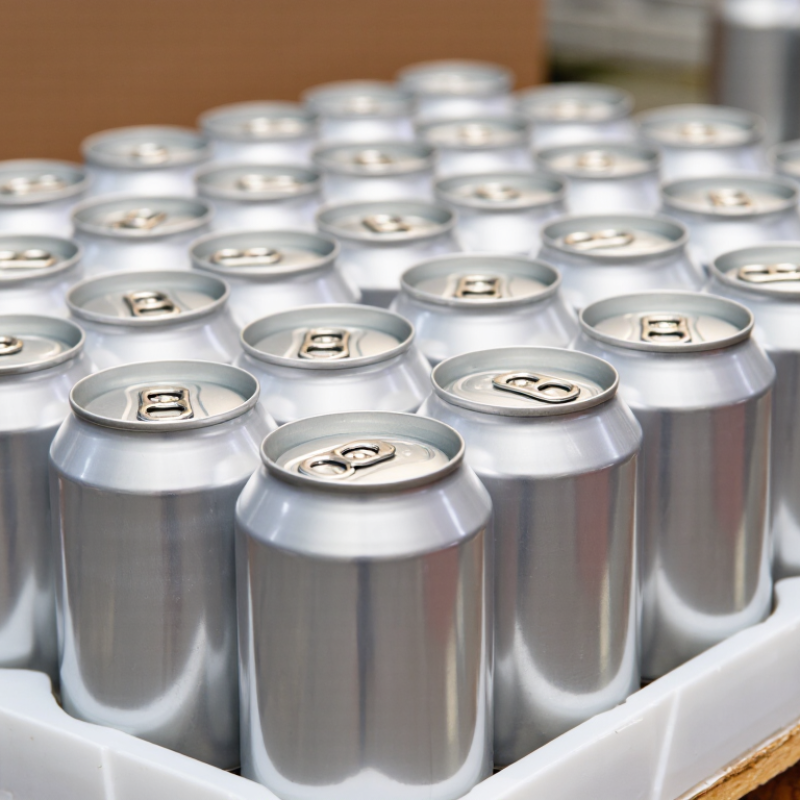
What defines a high-quality aluminium beverage can in 2026? It starts with reliable metal, not a glossy finish. The can should use a consistent alloy, even wall thickness, and clean forming around the base and neck. During inspection, buyers should check for dents, pinholes, sharp edges, and unstable dimensions. A bright surface can still hide a weak seam.
Seam quality deserves close attention.
Double-seam measurements must remain within the manufacturer’s approved limits, with no leaks after pressure and vacuum testing. The internal coating should resist acidity, carbonation, and flavour changes.
Food-contact documentation
Food-contact documentation, batch traceability, and migration testing support safer purchasing decisions. The International Aluminium Institute reports that recycling aluminium can save about 95% of the energy required for primary production. That makes recycled feedstock valuable, but poor sorting can affect consistency.
Recycled content matters, too. The Aluminum Association’s 2024 industry data reported roughly 73% recycled content in average aluminium beverage cans in the United States. Global results vary. Ask suppliers for current recycled-content evidence, not broad promises.
A can should also cool quickly, stack securely, and survive transport vibration without buckling. In practice, small differences appear. A sample batch may perform well while another shows more scuffing or seam variation. No checklist is perfect. Buyers should test real production samples before approving large orders.
Global buyers should match can geometry with filling equipment, transport conditions, and serving habits. Slim cans, usually 200–250 ml, suit energy drinks and premium portions. Standard cans commonly hold 330 ml, while 355 ml remains familiar in North American channels. Larger 473 ml cans support convenience retail but require stronger pallet planning.
According to the International Aluminium Institute, nearly 75% of all aluminium ever produced remains in use. That supports aluminium’s circularity, although local collection systems still determine actual recovery.
Closure selection affects both user experience and production cost. Standard easy-open ends fit most carbonated beverages and offer reliable opening performance. Wide-opening ends improve drinking comfort and aroma release, but they can increase material use and filling-line adjustments.
Stay-on tabs reduce loose metal parts. Resealable closures provide convenience, yet they add weight, tooling complexity, and a higher unit cost.
The 2023 European Aluminium beverage-can data reported a recycling rate of about 76% in Europe, but results vary widely between countries.
A 330 ml can is not universally practical. It may suit one market and disappoint another. Buyers should verify end diameter, internal coating, tab force, seam strength, and pressure resistance through sample trials.
Can dimensions also influence cooling speed. That detail is easy to overlook. Reported recycling performance is encouraging, but supply contracts should still request measured recycled content, testing records, and clear recovery assumptions.
In 2026, beverage-can buyers should examine alloy, coating, and production evidence together. Most cans use aluminum body and end alloys, commonly from the 3xxx and 5xxx series. These alloys balance strength, drawability, and low weight. The International Aluminium Institute reports that recycled aluminum requires about 95% less energy than primary metal. That figure makes certified recycled content commercially important, not merely attractive.
Lining performance matters when beverages are acidic, carbonated, or stored for long periods. Ask suppliers for food-contact declarations, coating composition, and migration-test results. Testing should reflect the actual drink, temperature, and shelf-life conditions. EU Regulation 1935/2004 and relevant food-contact rules provide useful reference points. Some buyers accept BPA-NI systems, but “BPA-NI” alone proves little. The full formulation and test method still matter.
Manufacturing control should include ISO 9001, HACCP-based food safety procedures, and traceable batch records. Check can-wall thickness, flange dimensions, internal coating coverage, and seam integrity. Independent laboratory results are stronger than a supplier spreadsheet. European Aluminium data has reported beverage-can recycling rates near 76% in Europe, while performance varies sharply by country. That gap deserves attention. Recycled content can also increase metal variability if sorting and alloy separation are weak. A practical audit should inspect pallet protection, humidity control, and defect handling, not only certificates.
2026 Best Aluminium Beverage Cans for Global Buyers
Global buyers should compare suppliers beyond the unit price. A can quoted at $0.08 may exclude tooling, printing plates, inland transport, or export packaging. Request a complete cost sheet with volume tiers, payment terms, delivery conditions, and minimum order quantities. Check the aluminum alloy, wall thickness, can diameter, internal coating, and lid compatibility. These details affect filling speed, product protection, and breakage rates.
Supplier reliability needs practical evidence. Ask for recent inspection records, production photos, sample cans, and documented quality procedures. Confirm food-contact declarations and testing documents that match the destination market. Compare realistic lead times, not only promised dates. A useful benchmark includes sample approval, tooling preparation, production, inspection, and ocean freight. Do not ignore communication speed. Delayed answers often create larger delays later. A low-cost offer can still be expensive. This is easy to overlook.
Tips: Build a comparison table before negotiating. Include can weight, coating type, print quality, defect allowance, pallet pattern, freight basis, and replacement terms. Test samples with your actual beverage and filling line. Measure seam performance, stacking strength, and surface scuffing. Keep a small cost buffer for currency changes and port charges. My own purchasing view is not perfect: lower weight may reduce material cost, but it can also increase handling problems. Recheck the decision with production staff, not only finance.
How global buyers should compare suppliers and costs: empty-can weight is a practical benchmark because aluminium usage directly affects material cost, freight weight, and packaging efficiency. Actual specifications may vary by manufacturer, design, and filling requirements.
Indicative average empty-can weights for commonly traded beverage-can formats. Buyers should confirm dimensions, wall thickness, coating performance, minimum order quantity, tooling, and delivered cost with each supplier.
For global buyers in 2026, aluminium beverage cans must satisfy more than appearance and price. Sustainability begins with verified recycled content, responsible smelting data, and an effective collection pathway. Ask suppliers for chain-of-custody records, carbon information, and coating declarations. Vague environmental claims deserve careful questioning.
Logistics can quietly damage a good purchase. Confirm can diameter, height, pallet pattern, stack limits, and container loading plans before production. A humid port may cause carton weakening or surface marking. Protective wrapping helps, but excessive packaging increases waste. Check lead times against seasonal demand, port congestion, and customs documentation. Small dimensional errors can create large warehouse costs.
Compliance requires country-specific attention. Request food-contact declarations, migration test results, coating specifications, and quality-control records for each production batch. Confirm labeling, recycling marks, and import documents with local specialists. Requirements can differ between markets, even for identical can formats. Do not rely on one certificate forever.
Experience has taught buyers to inspect samples under real filling conditions. Test seam integrity, internal pressure, coating performance, and transport vibration. Laboratory results are valuable, but factory handling reveals weaknesses. I would also question unusually low pricing. It may reflect efficient production, or missing verification. That uncertainty needs evidence, not optimism. Some sustainability data remains incomplete, so buyers should record assumptions and review them annually.
| Evaluation Dimension | Recommended Specification | Typical Commercial Range | Sustainability Consideration | Logistics Consideration | International Compliance Focus | Buyer Assessment |
|---|---|---|---|---|---|---|
| Can Material | Aluminium beverage-can body and end made from food-contact aluminium alloys. | Common body alloys include 3xxx-series aluminium; ends commonly use stronger 5xxx-series alloys. | Aluminium can be recycled repeatedly when collection and sorting systems are available. | Lightweight packaging reduces transport mass compared with many rigid alternatives. | Confirm food-contact compliance for the destination market and provide material declarations when requested. | Preferred |
| Nominal Fill Volume | Match the can size to the target beverage category, retail channel, and local serving conventions. | Common formats include approximately 150 ml, 250 ml, 330 ml, 355 ml, 440 ml, and 500 ml. | Smaller formats may reduce overconsumption and product waste; larger formats can reduce packaging per litre. | Use one standard format where possible to simplify palletization, warehousing, and line changeovers. | Check declared net quantity, measurement units, and mandatory label information in each destination market. | Preferred |
| Can Diameter and Height | Select a standard body diameter and height compatible with the filling line and closure system. | Common diameters include approximately 52 mm, 58 mm, 66 mm, and 73 mm; dimensions vary by format. | Optimized dimensions can reduce aluminium use while preserving stacking and pressure performance. | Dimensional consistency is essential for efficient trays, cartons, pallets, containers, and automated handling. | Verify compatibility with filling, seaming, testing, and packaging equipment before approval. | Required |
| Aluminium Content | Request the supplier's alloy declaration and evidence of recycled-content accounting. | Recycled content varies by supplier, production route, region, and product specification; avoid assuming a universal percentage. | Ask for pre-consumer and post-consumer recycled-content figures separately because they have different sustainability significance. | Recycled-content claims normally do not change external dimensions, but supply availability may vary by region. | Claims should be supported by traceable records or recognized chain-of-custody certification where required. | Verify |
| Can Weight | Use the lightest validated specification that meets internal pressure, impact, buckling, and seaming requirements. | Exact weight depends on capacity, diameter, alloy temper, wall thickness, end design, and performance targets. | Lightweighting can reduce raw-material consumption and transport emissions, but excessive lightweighting may increase damage risk. | Request weight tolerance data because small variations can affect total shipment weight and freight calculations. | Validate performance through production-line trials and transport simulation or physical testing. | Preferred |
| Internal Coating | Use a coating suitable for the beverage's acidity, carbonation, alcohol content, and shelf-life requirement. | Common systems include polymer-based internal coatings; formulation and curing conditions vary by application. | Request information on coating chemistry, curing efficiency, and restricted substances. | Coating compatibility helps prevent corrosion, leakage, flavour changes, and premature product rejection during storage. | Confirm compliance with applicable food-contact rules and restrictions on substances such as BPA-related materials where relevant. | Required |
| External Decoration | Specify print coverage, colour requirements, varnish, barcode grade, and abrasion resistance. | Options may include direct printed decoration, sleeves, or labels, depending on the can and market. | Direct decoration may avoid an additional label substrate, while the total environmental result depends on inks, coatings, and recyclability. | High-quality abrasion resistance reduces scuffing and rejected cartons during container transport and distribution. | Ensure recycling instructions, deposit marks, language requirements, warnings, and regulatory symbols are accurate for each market. | Verify |
| Closure and Seaming | Use a compatible easy-open end and confirm double-seam dimensions with the filling plant. | End diameter, opening style, score design, tab configuration, and seam specifications vary by can format. | Efficient end design can reduce metal use while maintaining opening performance and package integrity. | Correct seaming is critical to prevent leakage, spoilage, corrosion, and container damage in transit. | Require seam inspection records, quality-control procedures, and production-line approval before commercial shipment. | Required |
| Carbonated Beverage Pressure | Define the beverage's carbonation level, filling temperature, storage conditions, and required safety margin. | Performance depends on beverage formulation, headspace, temperature, can geometry, alloy, and wall thickness. | Appropriate engineering reduces product loss and unnecessary over-specification of material. | Temperature exposure during sea, road, rail, and warehouse transport must be included in validation. | Request pressure, buckle, drop, and leakage test data relevant to the intended distribution route. | Required |
| Shelf Life and Barrier Performance | Set a validated shelf-life target based on beverage chemistry, packaging, and distribution conditions. | Actual shelf life is product-specific and cannot be determined from the can specification alone. | Longer shelf life can reduce food and beverage waste, which may be more significant than small packaging differences. | Consider humidity, temperature cycling, salt exposure, stacking loads, and long-distance transit duration. | Support shelf-life claims with documented stability testing under representative conditions. | Required |
| Palletization | Use a stable, standardized pallet pattern with corner protection and moisture-resistant transport materials. | Cases or trays per pallet depend on can dimensions, case design, pallet footprint, height limits, and local handling rules. | Optimize pallet utilization to reduce the number of pallets and transport movements per delivered unit. | Confirm pallet dimensions, maximum gross weight, stacking limits, container loading plan, and forklift access. | Check destination requirements for wood packaging treatment, pallet marking, and import documentation. | Preferred |
| Container Loading | Approve a loading plan based on gross weight, cubic utilization, crush resistance, and cargo securing. | Actual load quantity varies according to can format, secondary packaging, pallet use, container type, and legal weight limits. | Higher cube and weight utilization can reduce emissions per can, provided product protection remains adequate. | For global shipments, evaluate moisture control, desiccants, container ventilation, securing, and port handling. | Confirm commercial invoice, packing list, bill of lading, certificate of origin, and any destination-specific documents. | Required |
| Food-Contact Compliance | Obtain a current declaration of compliance and supporting test documentation for the complete packaging system. | Requirements differ by destination and may cover aluminium, internal coatings, inks, varnishes, sealants, and processing aids. | Compliance documentation supports responsible material selection and reduces the risk of rejected shipments. | Keep technical files aligned with the exact can, end, coating, ink, and manufacturing site supplied. | Review applicable national or regional food-contact legislation before purchase and whenever materials change. | Required |
| Chemical and Restricted-Substance Control | Request a restricted-substance declaration covering coatings, inks, lubricants, sealants, and packaging components. | Controlled substances and reporting obligations vary by jurisdiction and may change over time. | Prefer suppliers with documented chemical management, supplier controls, and change-notification procedures. | Unapproved material changes can cause customs delays, product holds, or incompatibility at the filling plant. | Check destination rules for chemicals, packaging materials, heavy metals, bisphenols, mineral-oil residues, and other relevant substances. | Required |
| Recyclability and Collection | Use a monomaterial aluminium can system where practical and avoid unnecessary attached components. | Recycling outcomes depend on local collection, sorting, reprocessing capacity, and consumer participation. | Provide clear disposal guidance and verify whether the destination uses deposit-return, municipal collection, or another system. | Separate collection systems may require specific packaging marks, reporting, or registration before sale. | Review local extended producer responsibility, deposit, labelling, and packaging-waste obligations. | Verify |
| Quality Assurance | Require documented specifications, batch traceability, inspection plans, and corrective-action procedures. | Typical controls include dimensional checks, coating tests, seam inspection, leakage testing, visual inspection, and pallet audits. | Consistent quality reduces waste caused by damaged cans, filling-line stoppages, and rejected finished goods. | Define acceptable limits for dents, scuffs, corrosion, pallet movement, case damage, and moisture exposure. | Request audit records and change-control commitments for materials, processes, equipment, and manufacturing locations. | Required |
| Supply Continuity | Qualify at least one technically approved backup source or contingency route where commercially feasible. | Lead times vary according to can size, decoration, order quantity, tooling, seasonality, and shipping conditions. | Regional sourcing may reduce transport distance, while multiple sources can improve resilience. | Evaluate minimum order quantity, production lead time, port options, transit time, customs risk, and buffer stock. | Maintain current documentation for every approved manufacturing site and notify buyers before material or process changes. | Preferred |
Buyer note: The ranges and recommendations above are general procurement criteria for aluminium beverage cans. Final approval should be based on the exact can format, beverage formula, filling process, destination-market regulations, transport route, and supplier documentation. Recycled-content, packaging-waste, labelling, chemical, and food-contact requirements should be verified for the applicable jurisdiction before purchase.
Slim cans often hold 200–250 ml and suit energy drinks or smaller servings. Standard cans commonly hold 330 ml. A 355 ml format remains familiar in some markets. Larger 473 ml cans need stronger pallet planning and more storage space.
No, serving habits differ between regions. A 330 ml can may perform well in one market but disappoint elsewhere. Check consumer preferences, cooling methods, shelf space, and filling equipment before ordering. Do not assume one size fits all.
Standard easy-open ends suit most carbonated beverages. Wide openings improve drinking comfort and aroma release. They may require more material and filling-line adjustments. Stay-on tabs help prevent loose metal parts. Resealable closures add convenience, weight, tooling, and cost.
Request samples and test end diameter, tab force, seam strength, and pressure resistance. Also inspect flange dimensions and wall thickness. Run trials with the actual filling equipment. Small dimensional errors can cause large production problems.
Can bodies and ends commonly use aluminium alloys from the 3xxx and 5xxx series. These alloys balance strength, drawability, and low weight. Ask for alloy specifications and batch traceability. Recycled metal can vary more when sorting systems are weak.
The lining protects beverages from unwanted contact with the metal. This matters for acidic, carbonated, or long-life drinks. Request coating composition, food-contact declarations, and migration-test results. Testing should match the drink, temperature, and expected shelf life. “BPA-NI” alone proves little.
Ask for measured recycled content, carbon information, and chain-of-custody records. Confirm how local collection systems recover used cans. Aluminium recycling can require far less energy than primary production. Reported recovery rates vary widely between countries. The data is not always complete.
Humid ports may weaken cartons or cause surface marking. Poor pallet patterns can increase crushing during transport. Confirm pallet layouts, stack limits, container loading plans, and protective wrapping. Excess packaging creates more waste, though too little protection is also risky. That balance is easy to miss.
Request batch records, coating tests, seam checks, and wall-thickness measurements. Food-safety procedures and quality-management controls are also useful. Independent laboratory results are stronger than an unchecked spreadsheet. Inspect defect handling, pallet protection, and humidity control. Certificates can become outdated.
Confirm food-contact documents, migration results, coating specifications, recycling marks, and import paperwork. Requirements may differ between markets using identical can formats. Review documents with qualified local specialists. Do not rely on one certificate forever. Recheck requirements annually.
In 2026, high-quality Aluminium Beverage Cans are defined by reliable strength, precise dimensions, excellent seal integrity, and consistent protection of beverage flavor. Global buyers should evaluate can types, capacities, shapes, and closure options according to product requirements, filling equipment, consumer preferences, and transportation conditions. Material selection is equally important: suitable aluminium alloys, food-contact linings, coatings, and manufacturing controls help prevent corrosion, leakage, contamination, and performance failures. Clear quality standards, testing procedures, and traceability are essential when comparing production capabilities.
Supplier evaluation should consider total cost rather than unit price alone, including tooling, minimum order quantities, printing, packaging, shipping, storage, and quality assurance. Buyers should also review production capacity, lead times, communication, and after-sales support. Sustainability is a key purchasing factor, so recyclable materials, efficient manufacturing, responsible sourcing, and reduced packaging should be assessed. Finally, international projects require careful attention to documentation, labeling, food-contact requirements, customs procedures, palletization, and regional compliance criteria to ensure smooth delivery and dependable long-term supply.

